
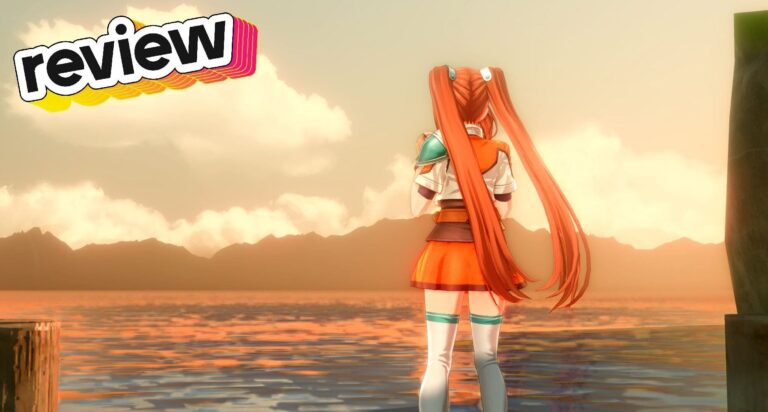
Key takeaways
- Trails in the Sky SC remake improves localization issues from the first game with new terminology consistency and voice direction, making the storytelling clearer for players.
- The game expands Zemuria's world scope in ways that reward both longtime fans and newcomers, taking roughly 80 hours to complete.
- Combat uses a hybrid action-turn-based system that works smoothly but lacks extra tactical depth compared to current mainline Trails games.
- The remake serves as an effective gateway to the wider 20-year-old series while respecting the original games rather than trying to overhaul them.
Over the past decade, remakes and remasters have become so commonplace that it is easy to dismiss them outright. Yet there are moments when they serve a genuine purpose, and Falcom’s decision to remake Trails in the Sky and its sequel makes undeniable sense. The series has existed for more than twenty years, constructing a fictional world called Zemuria with the kind of careful attention to detail that transforms a setting into something readers come to know as intimately as their own geography. With the release of Trails in the Sky SC’s remake, Falcom has addressed shortcomings that the first game’s remake let stand, creating a pair of entries that both honor the originals and function as a genuine gateway for newcomers.
Zemuria’s Expanding World
The Trails series is structured around narrative arcs, each centered on a different protagonist and nation within the same world. Over slightly less than a fictional decade, from the events of Trails in the Sky to the most recent game, Trails Beyond the Horizon, players have watched this world and its characters evolve. The Sky arc is set in the nation of Liberl, where the original 2004 game introduced Estelle Bright as a young adventurer. The series derives much of its appeal from the opportunity to witness how the world transforms across these arcs, with characters who began as supporting figures maturing into substantially different people by the time later games arrive.
The Cliffhanger That Demanded a Sequel
The first Trails in the Sky ended with one of the genre’s most famous cliffhangers. After helping thwart a coup attempt, Estelle’s partner Joshua Bright revealed that he had once been part of a mysterious organization called Ouroboros. With a parting kiss that was secretly poisoned, he knocked Estelle unconscious and departed to confront his past. It would have been bizarre if Falcom had released a remake of only the first game, leaving such a moment unresolved. The two protagonists cannot be separated from one another, and neither can their games.
Estelle’s Search and Higher Stakes
Trails in the Sky SC sends Estelle on a hunt for answers, her journey taking her across Liberl once more and culminating in a confrontation with Ouroboros that carries stakes affecting not only her personal fate but potentially the entire nation and world. The sequel expands outward, explaining much more about Zemuria than the first game’s relatively modest scope of local adventuring and political intrigue. Even while following an engaging action narrative and touching romantic elements, players are constantly learning about the world’s true nature and the forces that have shaped its events from behind the scenes.
Why These Remakes Matter for Everyone
For longtime series fans, replaying these games after having walked the path as far as it currently leads offers a perspective that transcends nostalgia. The distance traveled by the characters and the world itself becomes apparent in ways that were impossible during the original experience. For newcomers, the sequel’s devotion to revealing the true mechanisms driving the setting functions almost like opening a third eye, inviting them to immediately pursue the rest of the series. The remakes operate on the principle that drawing people in with honey works better than insisting they already missed out.
Remaking With Respect
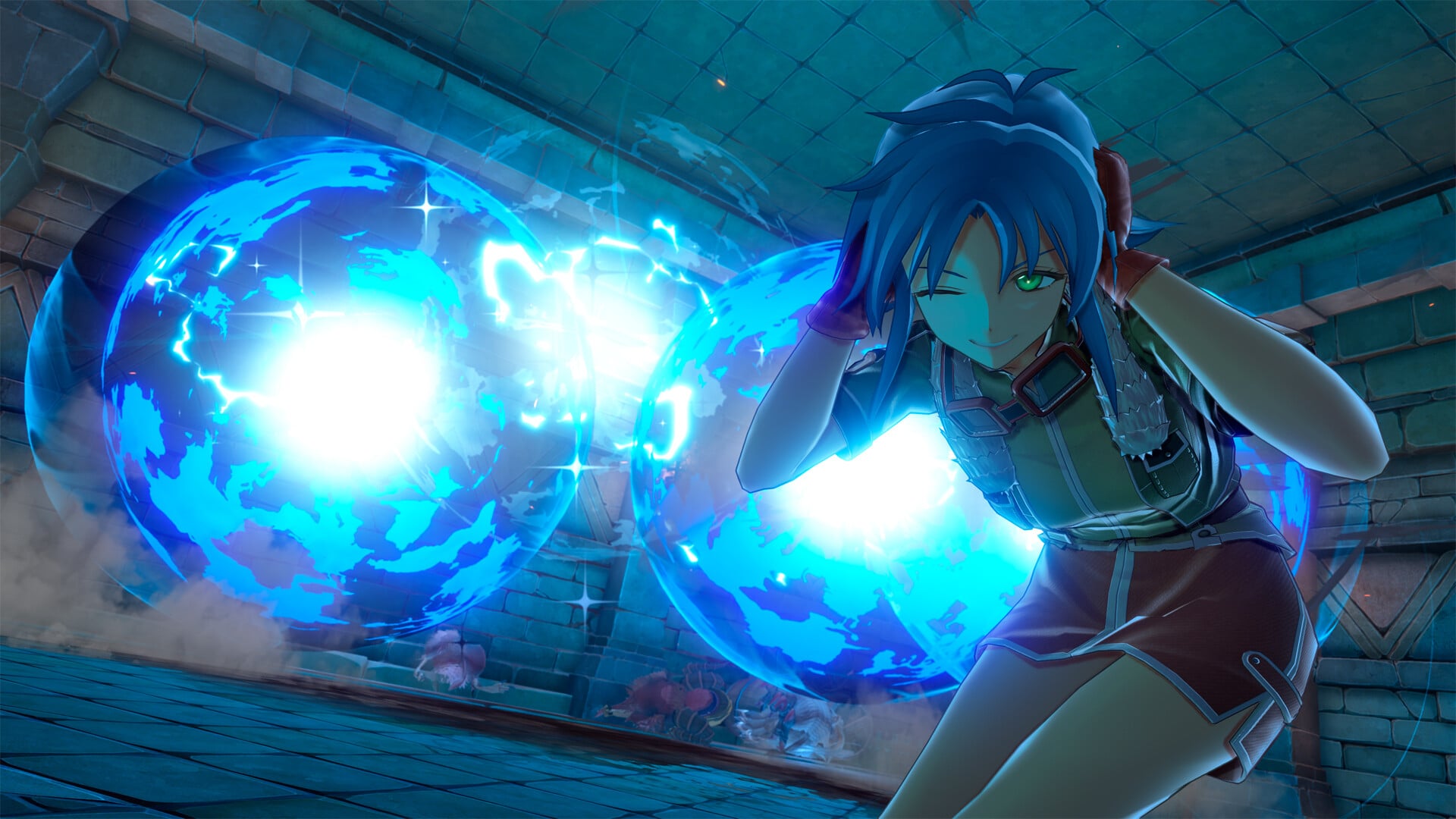
These remakes do not radically reimagine their source material. Falcom extended the hand of invitation to play the updated versions by making adjustments that feel transformational without suggesting the original games required fixing. The technical improvements are genuine—the turn-based battles from the 2004 original have been aligned with the hybrid action system that modern Trails entries use, creating a snappy and enjoyable experience. The bright, cel-shaded world remains a delight to explore. The first remake released last year proved that this approach was sound in principle, but it stumbled in execution.
Localization as Foundation
In a series where story is everything, the importance of clear, consistent localization cannot be overstated. The first remake’s stumbles with terminology and character voices left a noticeably shoddy feeling. The term archaism, referring to a specific type of machine-like foe used in the series for decades, became the generically rendered orbal golem. Liberlís ancient towers, crucial locations for the sequel, had their names changed—Esmelas Tower became Jade Tower, for example—resulting in a world that, while still worth exploring, lacked the specificity it was known for. Voice direction compounded these problems, sometimes rendering Liberl as lib-erl and other times as liber-ral, while important character names were frequently mispronounced.
A Fresh Team and Visible Results
A shift in publisher brought in a new localization team and producers. This made sense logistically but had created inconsistency across a franchise juggling both new mainline releases and remakes. Trails in the Sky SC shows the result of that fresh approach. While quirks remain, the largest problems that held back the first game are largely gone. During the approximately eighty hours of gameplay, only one stray mispronunciation of the character name Loewe was caught. The first game has also received a patch addressing many of its script and voice acting errors, bringing the pair of remakes into better alignment.
Character Depth Restored
The improved script does more than correct terminology; it rebuilds characterization across the board. Estelle herself, who suffered considerably from the first remake’s localization issues, breathes with more panache in the sequel. Supporting characters benefit as well, such as the traveling priest Kevin Graham, who in modern series localization was given a Bostonian accent in English to capture the Kansai dialect he uses in Japanese. That decision carries over to Trails in the Sky SC, resulting in a character full of life and distinctive personality where the original translation had rendered him differently.
Combat: Solid Fundamentals, Limited Scope
Trails in the Sky SC retains the hybrid combat adjustments introduced in the first remake. When the series shifted to the Calvard arc in 2021’s The Legend of Heroes: Trails Through Daybreak, a broad combat overhaul introduced this system, which players now encounter across the remakes. The implementation here is mixed; the system functions well but lacks the extra flourishes that current games, particularly Trails Beyond the Horizon, have added over time.
How the Hybrid System Functions
Enemies appear on the overworld and can be engaged like a standard action game. At any point, with bonus advantage granted if enemies are stunned, the player can swap into turn-based combat for a traditional RPG battle. During turns, characters can move freely within their movement range, and many abilities offer advantages when used from different angles, creating constant micro-tactical decisions. It is a snappy and engaging system that gets the fundamentals right.
Missing Depth From Modern Entries
Compared to how this same combat system is handled in current mainline games, this version feels less complete. In Trails Through Daybreak and Trails Beyond the Horizon, character pairing leads to special boosts or follow-up attacks, requiring players to balance damage output against positioning benefits. The boost gauge, a meter that builds over time, has numerous tactical applications in modern games, whereas in Trails in the Sky SC it can only be spent on massive field-clearing team attacks. The smaller possibility space and reduced decision pool are noticeable to players familiar with the current direction of the series.
A Structure That Endures
The quest structure that has defined the series since the original Trails in the Sky remains unchanged. Different protagonists across the arcs have different professions—police officer, private detective, military student—but all find their work naturally warrants side questing that serves local communities. Estelle functions as a bracer, a hybrid role combining monster-hunting adventurer with all-purpose handyman, tasks that justify the consistent quest framework. These design choices have proven durable enough to carry the series through twenty years without fundamental revision, and for good reason.
The reason these remakes make sense becomes clear only after experiencing them. By the end of approximately eighty hours, having reached bracer rank B+ and witnessed how Estelle’s personal story intertwines with the revelation of Zemuria’s true nature, new players arrive at precisely the point where they can engage with the wider series. The remakes respect their source material while creating a straightforward path for those who never took it before. Falcom extended the hand; it is an invitation worth accepting.
Frequently Asked Questions
How long does Trails in the Sky SC take to complete?
The game took approximately 80 hours to complete, with the reviewer reaching bracer rank B+ by the end.
What major localization problems from the first remake were fixed in SC?
Terminology inconsistencies like "archaism" becoming "orbal golem" and tower name changes like "Esmelas Tower" to "Jade Tower" were corrected, and character mispronunciations were largely resolved. A new localization team brought consistency to the translation.
How does the combat system compare to modern Trails games?
Trails in the Sky SC uses the hybrid action-turn-based system from the Calvard arc, but lacks features found in current games like Trails Beyond the Horizon, such as character pairing bonuses and the expanded tactical applications of the boost gauge.
