
Key takeaways
- Eiji Aonuma received the title of Knight of the Order of Arts and Letters from the French Ministry of Culture, recognizing his three decades of work producing The Legend of Zelda series.
- Aonuma joined Nintendo in 1988 and has served as producer on every mainline Zelda title and most spin-offs since directing Ocarina of Time for Nintendo 64.
- The French Ministry's recognition of game developers has grown over time, with Shigeru Miyamoto honored in 2006 and Peter Molyneux in 2007, and now Sandfall Interactive becoming the first entire studio to receive the distinction.
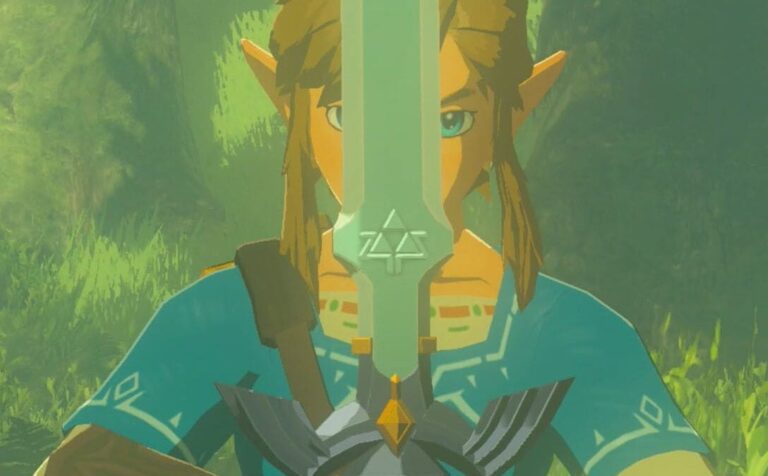
Eiji Aonuma, the longtime producer of The Legend of Zelda series, received the title of Knight of the Order of Arts and Letters from the French Ministry of Culture this week. French Minister of Culture Catherine Pégard presented him with the medallion while describing Aonuma as “a storyteller who always leaves room for the player’s imagination.” In response, Aonuma prepared remarks in French for the formal ceremony, thanking those gathered and encouraging continued collaboration with fans worldwide. Speaking directly to his wife, who was present at the event, he expressed his gratitude in French: “Thank you for following me here, let’s continue this adventure together.”
The Honor and Recognition
The French Ministry of Culture announced Aonuma’s knighthood in 2023, though the formal ceremony took place only recently. He joins this year’s class of honorees that includes jazz musician Kenny Garrett, actress Richa Chadha, and Rumiko Takahashi, the creator of Ranma 1/2. The Order of Arts and Letters operates without nationality restrictions, extending recognition to artists across diverse mediums including performance, visual arts, and increasingly, interactive media.
Game Developers Among Honorees
Game developers remain less common recipients than artists working in traditional mediums, yet they have gained increasing recognition. Shigeru Miyamoto, a fellow Nintendo legend, received the title in 2006. Peter Molyneux followed in 2007. Most significantly, the Ministry announced its intention this year to award the honor to Sandfall Interactive, the studio behind Clair Obscur: Expedition 33, marking the first time an entire game studio will share one ribbon rather than a single individual receiving the distinction.
Career at Nintendo
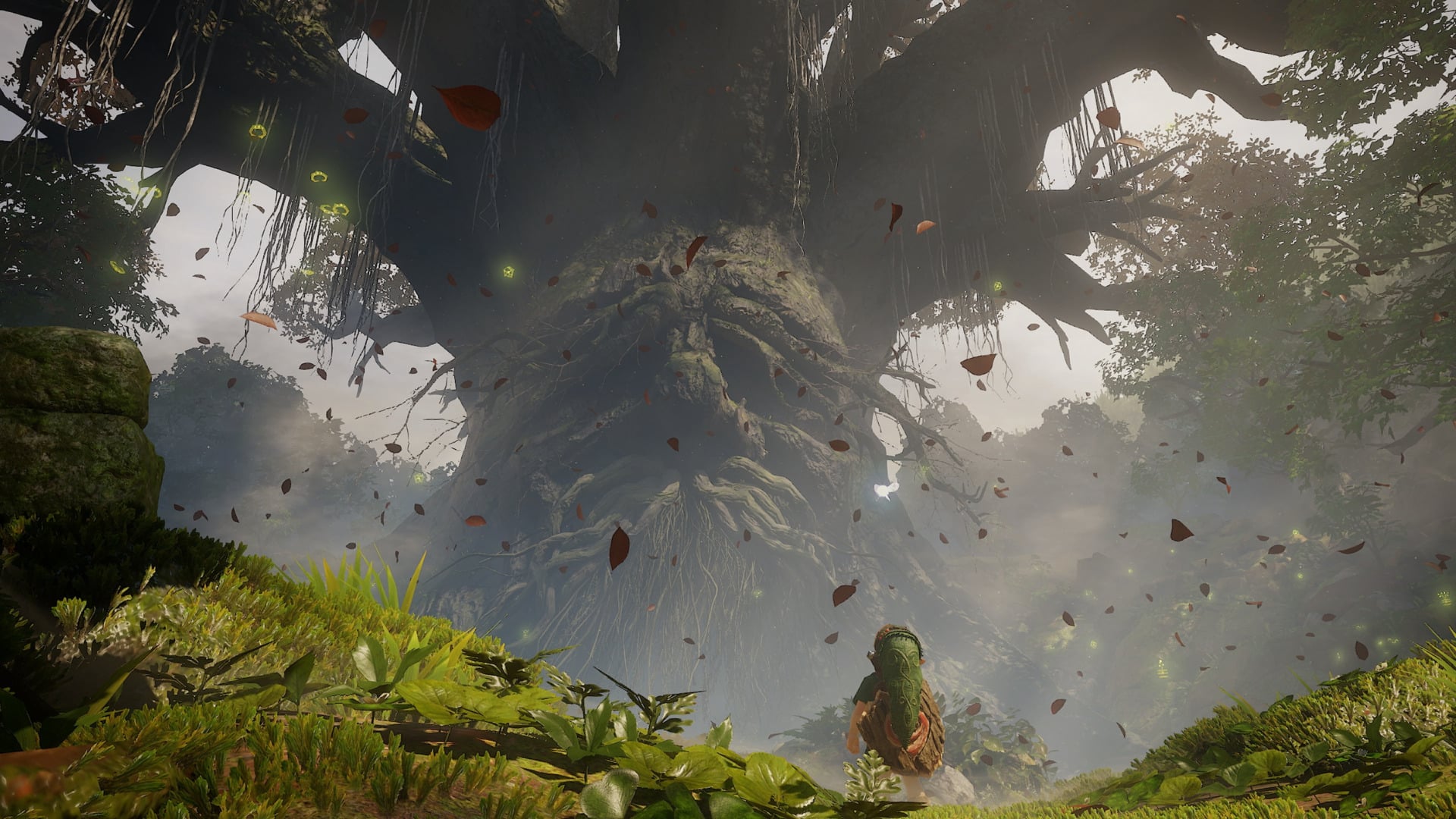
Aonuma joined Nintendo in 1988 and rose to prominence as director on The Legend of Zelda: Ocarina of Time for the Nintendo 64. That assignment established him as a key figure within Nintendo’s creative leadership and launched a career spanning more than three decades of involvement with the franchise. Since Ocarina of Time, he has served as producer on every mainline Legend of Zelda release and most spin-off projects, a level of continuous creative oversight few developers achieve in their careers.
Evolution Across Hardware Generations
His influence extends across every major Nintendo platform. He shaped The Legend of Zelda: The Wind Waker on GameCube, guided The Legend of Zelda: Breath of the Wild on Nintendo Switch, and more recently oversaw the Switch remake of Ocarina of Time, the same game that established his career. His role as producer rather than sole director allowed him to maintain creative guidance while delegating specific development to other leads, a structure that preserved artistic consistency across games with vastly different designs and technical capabilities.
Design Philosophy and Player Agency
Pégard’s description of Aonuma as a creator “who always leaves room for the player’s imagination” captures the design approach that has defined his modern work on Zelda games. Rather than implementing rigid narrative paths or relying on extensive exposition through cinematics, Aonuma’s games have increasingly embraced environmental storytelling and meaningful player agency. This philosophy extended beyond the Zelda franchise, contributing to the broader industry shift toward games that trust players to interpret events and construct their own understanding of the game world.
The Legend of Zelda’s Global Impact
The Legend of Zelda ranks among the most significant franchises in interactive entertainment. Aonuma’s tenure as producer encompasses the period in which the series evolved from top-down adventure games to fully realized 3D action-adventures and most recently to open-world exploration. Each generational evolution brought critical acclaim and commercial success. The Legend of Zelda: Breath of the Wild became one of the Nintendo Switch’s bestselling titles and fundamentally reshaped industry expectations for how open-world games function, influencing countless subsequent releases across the medium.
Institutional Recognition of Game Development
The French Ministry of Culture’s recognition of Aonuma and other game creators reflects a broader institutional shift in how governments view interactive media as worthy of cultural honors. Historically, film, music, and visual arts dominated such recognition, with game developers receiving little formal acknowledgment despite the cultural significance of their work.
Expanding the Definition of Culture
The composition of this year’s honoree class demonstrates how the Ministry now evaluates artistic contribution across diverse mediums. By placing game design alongside jazz, cinema, and manga, the Ministry treats these disciplines as culturally equivalent. The potential recognition of Sandfall Interactive as an entire studio rather than a single visionary director further reflects an evolving understanding that modern game development is inherently collaborative, and that cultural significance emerges from collective effort as well as individual vision.
Source: Kotaku
Frequently Asked Questions
What honor did Eiji Aonuma receive from France?
Aonuma received the title of Knight of the Order of Arts and Letters from the French Ministry of Culture, presented by Minister of Culture Catherine Pégard at a ceremony this past week. The knighthood was announced in 2023 but the formal ceremony occurred recently.
How long has Aonuma worked on The Legend of Zelda series?
Aonuma joined Nintendo in 1988 and became prominent as director on The Legend of Zelda: Ocarina of Time for Nintendo 64. Since then, he has served as producer on every mainline Zelda title and most spin-offs, spanning more than three decades.
Are other game developers recognized by the French Ministry of Culture?
Yes. Shigeru Miyamoto received the title in 2006 and Peter Molyneux in 2007. This year, the Ministry announced plans to award the honor to Sandfall Interactive, the studio behind Clair Obscur: Expedition 33, marking the first time an entire game studio will share one ribbon.
