
Key takeaways
- Modern Warfare 4 launches with exclusive skill-based matchmaking, eliminating alternative systems that were available during beta testing.
- Director Joe Cecot admits there's no such thing as perfectly balanced matchmaking, as every system involves unavoidable trade-offs.
- Skill-based matchmaking creates balanced competition but introduces longer queue times and potential connection latency issues compared to open matchmaking.
- Different player populations experience SBMM's benefits and drawbacks differently, with some frustrated by reduced opportunities for dominant performance streaks.
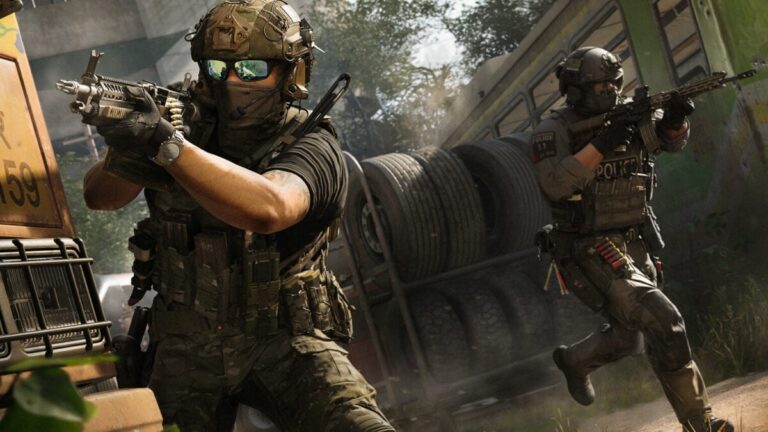
Call of Duty: Modern Warfare 4 released October 23 to immediate player backlash over its matchmaking approach. Developed by Infinity Ward and published by Activision, the game ships with exclusively skill-based matchmaking (SBMM), eliminating alternative systems that were available during the beta test. The decision has sparked debate within the community about competitive fairness, connection quality, and what constitutes an optimal multiplayer experience.
In response to criticism, Joe Cecot, the game’s multiplayer creative director, offered a frank assessment about the system: there is probably no such thing as truly perfected matchmaking. Speaking to IGN, Cecot explained: “I don’t know if there’s perfecting it. We can look at the data and how it affects things, and we can quantify how it affects a certain group of players or a large percentage of them in a negative way. And so, though we’re not talking about exact specifics on matchmaking, our end goal is that every match is a good match.”
Modern Warfare 4’s Matchmaking Approach
How SBMM Works
Skill-based matchmaking uses algorithmic analysis of player data to create balanced competitive encounters. The system examines metrics including kill-to-death ratios, win rates, and other performance indicators to sort players into skill tiers. Opponents are then paired within similar tiers, creating matches where player abilities align more closely than traditional random selection would allow.
This marks a significant shift from the optional systems available during Modern Warfare 4’s beta phase. Testing players could choose between SBMM and alternative matchmaking approaches. The final release, however, appears to have consolidated entirely around SBMM, removing player choice in the matchmaking method.
Historical Context
Skill-based matching is not new to Call of Duty. The system has operated within the franchise since the original Modern Warfare launched in 2007, which transformed the series into a cultural phenomenon. What has evolved is the implementation and prevalence. Where SBMM once coexisted with alternative options, Modern Warfare 4 makes it the sole approach.
Player Frustrations and System Trade-offs
Why SBMM Creates Resistance
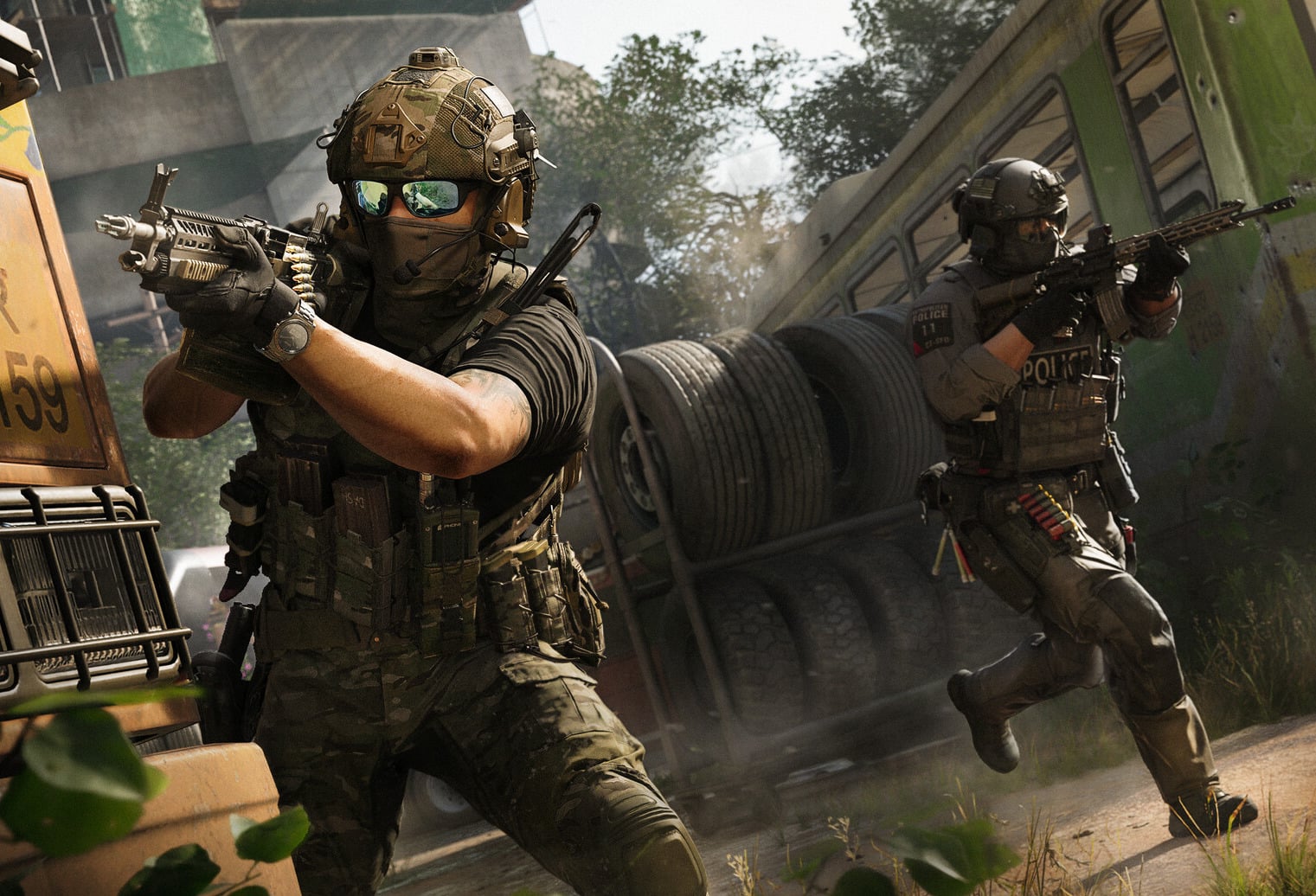
For certain players, skill-based matchmaking removes a core satisfaction factor from competitive multiplayer. In open matchmaking environments, a skilled player faces varied opposition—some significantly weaker, others stronger, most distributed across the middle. This creates opportunities for dominant performances and high kill-to-death streaks. Players pursuing content for streaming or personal achievement have historically valued these moments. SBMM’s equal-skill pairing makes such dominance rare. Every opponent plays at approximately the player’s level, meaning consistent outperformance becomes unlikely.
Beyond ego satisfaction, the shift affects how multiplayer feels. Facing equals constantly differs substantially from the rhythm of open matchmaking, where performance varies match to match. Players describe this as more grinding; others find it more competitive and fair.
The Connection Problem
SBMM introduces a technical cost. By prioritizing skill balance over connection latency and geographical proximity, the matchmaker must work harder and wait longer to find suitable opponents. It may pull players from distant servers or hold queues until the right skill-matched candidates appear. Open matchmaking circumvents this by grabbing the best available players immediately, regardless of geographical location. This produces faster queue times and potentially lower latency, though fairness suffers when players with superior internet infrastructure gain unearned advantage.
Some players experience the hybrid effect: matched against similarly skilled opponents but through a laggy connection that advantages the distant player. Others wait substantially longer between matches because the skill-matching algorithm restricts the available player pool.
Infinity Ward’s Perspective
Cecot’s remarks acknowledge that matchmaking is a zero-sum problem. No system optimizes simultaneously for speed, skill balance, connection quality, and competitive fairness. Each approach involves architectural compromises. SBMM creates balanced competitive environments at the cost of longer queue times and reduced opportunities for high-performance moments. Open matchmaking accelerates match creation but permits skill mismatches and connection inequality.
The creative director also noted that SBMM’s effects are not uniform. Different player populations experience the system’s trade-offs differently—some negatively, others positively. Infinity Ward’s stated goal is ensuring every match qualifies as a good match, though “good” remains subjective depending on what individual players value: speed, fairness, connection quality, or psychological satisfaction.
The Impossible Standard
Every matchmaking system involves failure modes. Open systems create lopsided matches where experience and hardware advantage combine into uncompetitive environments. SBMM creates lag and wait-time frustration in pursuit of balanced play. Neither solves the underlying tension: players want fast matches, fair competition, low latency, and dominant individual performances simultaneously.
Cecot’s acknowledgment that perfect matchmaking may not exist reflects this reality. Activision has invested substantial resources into data parsing and algorithmic optimization, yet the company’s own leadership admits limitations. The most any developer can achieve is prioritizing which problems to solve and accepting which frustrations will persist. For Modern Warfare 4 players, Infinity Ward has made the tradeoff explicit: SBMM is standard, alternatives are unavailable, and perfect balance remains theoretical.
Source: Kotaku
Frequently Asked Questions
Why is Modern Warfare 4 exclusively using skill-based matchmaking?
Infinity Ward's goal is to ensure every match is competitive and balanced. Skill-based matchmaking was available as an optional system during the beta, but the final release removed those alternatives, making SBMM the only available system.
When did skill-based matchmaking first appear in Call of Duty?
Skill-based matching has been present in the franchise since the original Modern Warfare launched in 2007, the game that made the series an institution.
What are the main drawbacks of skill-based matchmaking?
SBMM can lead to longer wait times as the system searches for skill-matched opponents, and it may pair players across geographical distances, causing connection latency issues. It also makes it harder for skilled players to achieve dominant performance streaks.
