
Key takeaways
- Phil Tippett's Berkeley studio closed after Chapter 11 bankruptcy, but an anonymous fan purchased archival CDs from the liquidation sale and uploaded them to the Internet Archive.
- The collection contains approximately 90 ISO files with hundreds of high-resolution images and videos from Star Wars, RoboCop, Jurassic Park, Hellboy, and Starship Troopers.
- As Hollywood shifts toward digital effects, these practical effects materials now serve as both historical documentation and an educational resource for filmmakers and effects artists.
- Tippett has indicated he is not ready to retire despite the studio closure, continuing to explore practical effects work through projects like his 2021 film Mad God.
Last August, Phil Tippett shuttered the doors of his Berkeley, California-based animation studio following a Chapter 11 bankruptcy filing. For decades, Tippett’s work defined visual effects in cinema, with his stop-motion artistry bringing creatures to life in Jurassic Park, RoboCop, The Matrix, and most notably Star Wars, where his creations populated some of the franchise’s most iconic moments. The closure marked the end of a studio that had shaped blockbuster filmmaking for generations. However, much of that studio’s legacy may have found preservation through an unexpected source during what could have been a tragic loss to cinema history.
This week, the internet discovered that an anonymous enthusiast purchased a binder of CDs during Tippett’s liquidation sale, a decision that has potentially preserved what could have otherwise vanished into obscurity. The collector uploaded approximately 90 ISO image files to the Internet Archive, files containing hundreds of high-resolution images and videos spanning Tippett’s entire filmography. The scope and resolution of these materials had apparently never been available to the public in this form before.
Behind the Scenes of Cinema History
The archivist who rescued these materials explained the motivation behind the purchase and preservation effort. “I quickly realized that some of this information wasn’t available online and might not ever be in the future in such high resolution,” the collector wrote. “So I purchased the disc folder and digitized all of its contents. What you have here are .ISO image files of the 90 key, non-duplicated discs from Tippett’s archives.” This commitment to public preservation rather than private ownership or sale represents a significant decision about the value of archival materials.
Star Wars Materials
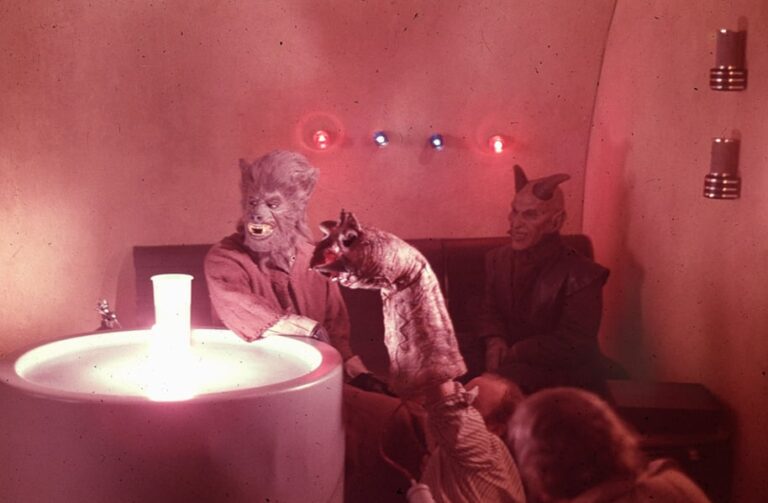
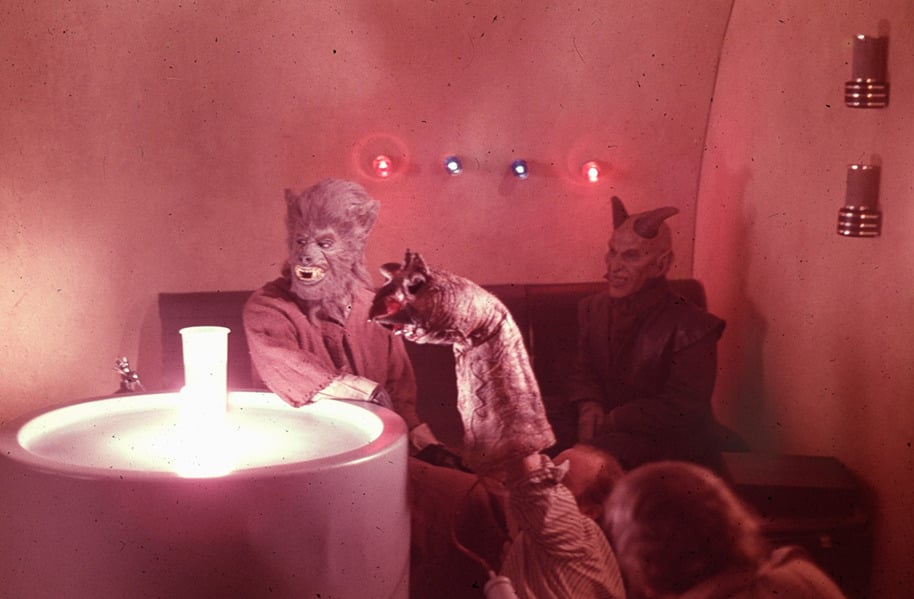
The collection includes extensive behind-the-scenes documentation from the original trilogy. Among the finds are construction photos and production stills from A New Hope’s famous cantina scene, images of the stop-motion and puppet creatures that populated the galaxy far beyond what casual viewers ever see, and detailed stills showing everything from the hologram chess pieces to the creature that menaced Luke and Han in the trash compactor. These materials represent decades of archival work that had never been digitized or shared publicly before, preserved on physical media in Tippett’s studio.
Beyond Star Wars
The scope extends far beyond Star Wars, demonstrating the breadth of Tippett’s influence across multiple decades of blockbuster cinema. Construction documentation and photographs reveal how RoboCop’s ED-209 was built and filmed, while texture files show the detailed surface work on Hellboy’s character Abe Sapien. Jurassic Park is represented through wireframe files from the digital creatures, and the collection includes photographs from Ray Harryhausen’s 90th birthday party, connecting Tippett’s work to the legacy of an earlier generation of effects pioneers. Materials from Hellboy and Starship Troopers round out the collection, showing the range of projects that passed through Tippett’s studio over the course of his career.
The Liquidation and Discovery
Tippett’s forced closure came after decades at the forefront of practical effects innovation and execution. His studio had evolved into a repository not just of finished work visible in theatrical releases, but of the technical materials that showed how these effects came into being. Original models, construction photographs, texture maps, digital wireframes, and production documentation from multiple films accumulated over years of work. When the studio entered bankruptcy, these materials faced an uncertain future and potential dispersal.
The circumstances that led to this preservation were somewhat serendipitous. At the garage sale accompanying the studio’s closure, one visitor recognized the potential historical and educational value of the disc collection sitting among the studio’s liquidated assets. Rather than allowing these materials to scatter across private collections or disappear entirely, this person took action. The decision to upload the contents to the Internet Archive rather than attempting to sell them privately or keep them as a personal collection suggests a commitment to preserving film history for broader public access and research purposes.
Practical Effects in an Industry Shift
A Changing Hollywood Landscape
The timing of Tippett’s studio closure carries particular significance within the broader context of contemporary filmmaking. As Hollywood increasingly relies on digital visual effects and computer-generated imagery, studios specializing in practical effects have faced declining demand and mounting economic pressure. Work that was once central to blockbuster production, such as stop-motion animation, puppet construction, and miniature work, has become increasingly marginalized. Tippett’s closure represents a larger trend in which these physical crafts have become specialty services available only when budgets allow, rather than industry standards.
The Value of Technical Archives
The archival materials now accessible through the Internet Archive represent more than nostalgic documentation of past techniques. For visual effects artists, students, filmmakers, and historians, access to the technical materials and construction methods used in classic films provides educational and research value that cannot be replicated through watching finished movies alone. The ISO files contain working files, construction notes, texture maps, and production photographs, the blueprints of filmmaking rather than the painted canvas. This level of access to production methodology is rare and valuable for understanding how filmmaking was accomplished before the digital era became dominant.
Tippett’s Next Chapter
Despite the studio closure, Tippett has indicated that retirement is not on his immediate horizon. His 2021 passion project Mad God, a stop-motion horror film, demonstrated his continued commitment to practical effects work even as the industry moves in different directions. While his studio operations have ceased, Tippett himself remains active and interested in exploring what practical effects can still accomplish in contemporary filmmaking.
The juxtaposition between Hollywood’s wholesale shift toward digital effects and this archival discovery highlights a central tension in contemporary filmmaking. As practical effects become rarer in theatrical releases, they gain value as a point of differentiation and as a historical record of how filmmaking was accomplished during the era when such techniques were mainstream and necessary. The materials now in the Internet Archive will likely serve as an important historical document of practical effects work from its industrial heyday.
What’s Preserved and What’s Lost
The rescued collection represents a significant portion of Tippett’s output across multiple decades and franchises, from the original Star Wars trilogy through the 1990s and beyond. However, not everything from his studio’s history was preserved on those CDs. The archivist specifically describes these as “90 key, non-duplicated discs,” suggesting that other materials may not have survived the liquidation process, or that some portions of his archives remain undocumented or dispersed among other sources.
For researchers, effects professionals, and fans of science fiction cinema, this discovery opens a window into production processes that shaped some of the most influential films in Hollywood history. The practical importance of these materials lies not in their entertainment value, but in their documentation of technique, process, and problem-solving at a time when digital tools had not yet become the default approach to visual effects work across the industry.
Source: Kotaku
Frequently Asked Questions
What happened to Phil Tippett's studio?
Tippett's Berkeley, California studio closed in August after a Chapter 11 bankruptcy filing, forcing liquidation of the studio's assets and archives.
How were the Star Wars and other archived materials preserved?
An anonymous buyer purchased a binder of approximately 90 CDs from Tippett's liquidation sale and uploaded the ISO image files to the Internet Archive, making the materials publicly accessible.
What films are represented in the archived materials?
The collection includes materials from Star Wars, RoboCop, Jurassic Park, Hellboy, and Starship Troopers, ranging from production stills and construction photos to texture files and technical documentation.
