

Key takeaways
- Xbox CEO Asha Sharma rejected Netflix's $500 million offer for exclusive seven-year adaptation rights and counter-offered $800 million, prompting Netflix to walk away.
- Rather than pursue another massive exclusive deal, Xbox now negotiates smaller, non-exclusive licensing arrangements with multiple production partners.
- The gaming industry increasingly relies on cross-media adaptation to offset rising development costs, though results vary: Amazon's Fallout succeeded while Paramount's Halo underperformed.
According to reporting from Puck News’ Matthew Belloni, Xbox entered negotiations with Netflix over a comprehensive licensing agreement. Netflix proposed a seven-year exclusive contract granting the streaming platform rights to develop television series and films based on Xbox’s games and intellectual properties. Netflix’s initial offer: $500 million. Newly appointed Xbox CEO Asha Sharma rejected these terms and submitted a counter-proposal of $800 million for the same exclusive window. Netflix declined and ended negotiations.
The failed talks represent a significant setback for Xbox’s cross-media ambitions. The company apparently overestimated what its intellectual property was worth to Netflix, or Netflix determined that the value did not justify the expense.
Netflix’s Existing Portfolio in Gaming Adaptation
Netflix’s withdrawal from talks did not indicate a loss of interest in video game adaptations. The platform has built a sustained track record in this space. The Witcher, Castlevania, and Cyberpunk all became series under Netflix’s banner. Separately, the platform secured streaming rights to an upcoming live-action adaptation of The Legend of Zelda launching in the coming year. This pattern demonstrates that Netflix sees value in game-to-screen projects, but apparently not at Xbox’s revised asking price for an exclusive, comprehensive partnership.
Xbox’s Strategic Pivot
In response to Netflix’s rejection, Xbox shifted direction. Rather than pursue a single massive exclusive deal, the company is now exploring smaller, non-exclusive licensing arrangements with multiple production partners. This approach diversifies risk and potentially improves negotiating leverage.
Xbox released a statement calling Netflix a valued partner while highlighting incoming projects: an animated Minecraft series and an animated Diablo series were offered as evidence of “record-breaking interest” in adapting its games. Whether these projects originated from the failed Netflix negotiation or from separate partnerships was not clarified.
The XP Department and Microsoft’s Response
Microsoft created XP, a new internal department focused on cross-media property development. The department’s emergence following the collapsed Netflix negotiations suggests it may have been established to manage the portfolio of adaptation projects Xbox is now pursuing independently. How directly XP relates to the bungled Netflix deal remains unconfirmed, though the timing aligns suggestively.
The Economics of Cross-Media Strategy
Video game publishers face mounting financial pressure. Development costs have become what industry analysts describe as “outrageously costly,” while consumer prices for games and hardware have risen beyond what many players consider accessible. Publishers are responding by licensing intellectual properties to film and television studios, monetizing the same characters, worlds, and narratives across multiple revenue streams.
Commercial Validation
The strategy has proven viable in practice. HBO’s adaptation of The Last of Us performed well both critically and commercially, driving audiences back to the source material in a phenomenon described as “giving existing back catalogues a second wind.” Illumination’s Super Mario Bros. Movie achieved box-office success and renewed franchise interest. These successes provide evidence that the cross-media model works when executed well.
The Pricing Ceiling
The Xbox-Netflix negotiation revealed a crucial limitation: if a publisher prices its properties too aggressively, potential partners walk away. Netflix had alternatives, and when Xbox’s counter-offer exceeded Netflix’s threshold, the deal evaporated. This outcome demonstrates that intellectual property licensing, despite its appeal, must align with market pricing expectations.
A Varied Track Record for Game Adaptations
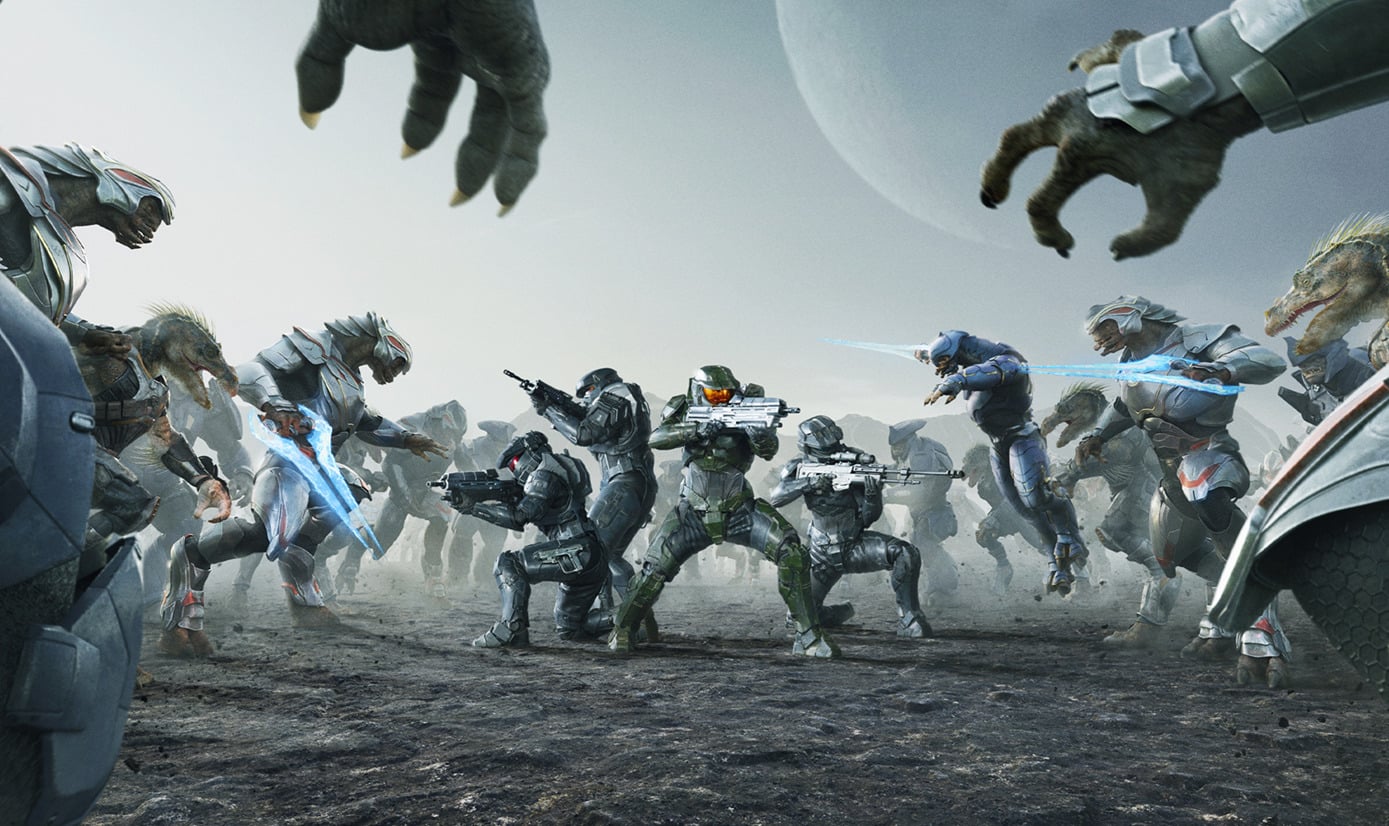
Not all video game adaptations succeed equally. Amazon’s Fallout series and Warner Bros.’ Minecraft movie performed well commercially, validating investment in high-profile gaming IP. However, Paramount’s Halo series, based on one of Xbox’s flagship properties, failed to capture mainstream attention or achieve comparable viewership. The Halo series illustrates that even established franchises with significant name recognition are not guaranteed success in adaptation.
The Breadth of Xbox’s Portfolio
Microsoft controls an extensive collection of gaming franchises. The portfolio spans Doom, The Elder Scrolls, Gears of War, Call of Duty, Space Quest, and numerous other properties across multiple genres and eras. This catalog breadth means Xbox retains multiple candidates for adaptation partnerships, even if Netflix’s interest was narrower. Which specific games Netflix sought to develop into series or films was never publicly disclosed.
What Comes Next
The failed Netflix negotiation does not signal an abandonment of cross-media strategy at Xbox. Instead, it represents a recalibration. Xbox is pursuing adaptation opportunities through multiple smaller partnerships rather than betting on a single comprehensive exclusive arrangement. The success of this distributed approach will likely shape whether Microsoft maintains XP as a permanent department or restructures the unit again as market conditions and partnership opportunities evolve.
Source: Kotaku
Frequently Asked Questions
Why did the Xbox and Netflix deal fall through?
Netflix offered $500 million for a seven-year exclusive contract to adapt Xbox's games into television and film. Xbox CEO Asha Sharma counter-offered $800 million for the same rights. Netflix rejected the higher price and ended negotiations.
What is Xbox doing instead of pursuing a Netflix exclusive?
Xbox is now exploring smaller, non-exclusive licensing deals with multiple production partners. Microsoft also created a new department called XP dedicated to managing cross-media property development.
Have game adaptations been successful for Microsoft before?
Results have been mixed. Amazon's Fallout series and Warner Bros.' Minecraft movie performed well commercially, but Paramount's Halo series failed to achieve comparable viewership or cultural impact.
