
Key takeaways
- Hundreds of AI-decompiled classic games including Halo: CE, GTA: Vice City, and Call of Duty titles are now playable in web browsers.
- According to Kotaku's testing, these ports run exceptionally well, with The Simpsons: Hit and Run reaching 240fps and Halo: CE featuring working online multiplayer.
- Claude Opus 5.5 can decompile games overnight, a process that previously took months, combined with browsers having sufficient RAM (1,200MB vs PS3's 512MB).
- Publishers face an unprecedented IP protection crisis, as cease-and-desist takedowns cannot prevent rapid creation of new ports by different developers.
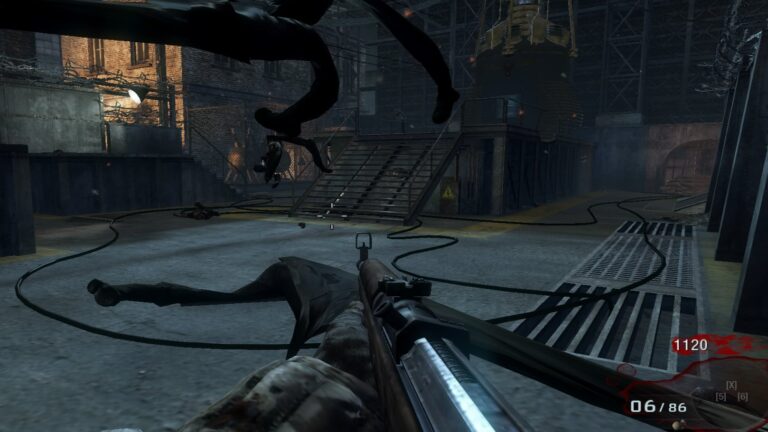
In the past two weeks, hundreds of AI-decompiled game ports have appeared in web browsers. Halo: CE, Grand Theft Auto: Vice City, Call of Duty: Black Ops, Modern Warfare 2, Skate 3, and The Simpsons: Hit and Run are now playable directly in browser tabs. This development represents an unprecedented vulnerability in intellectual property protection for the video game industry.
Which Games Are Available
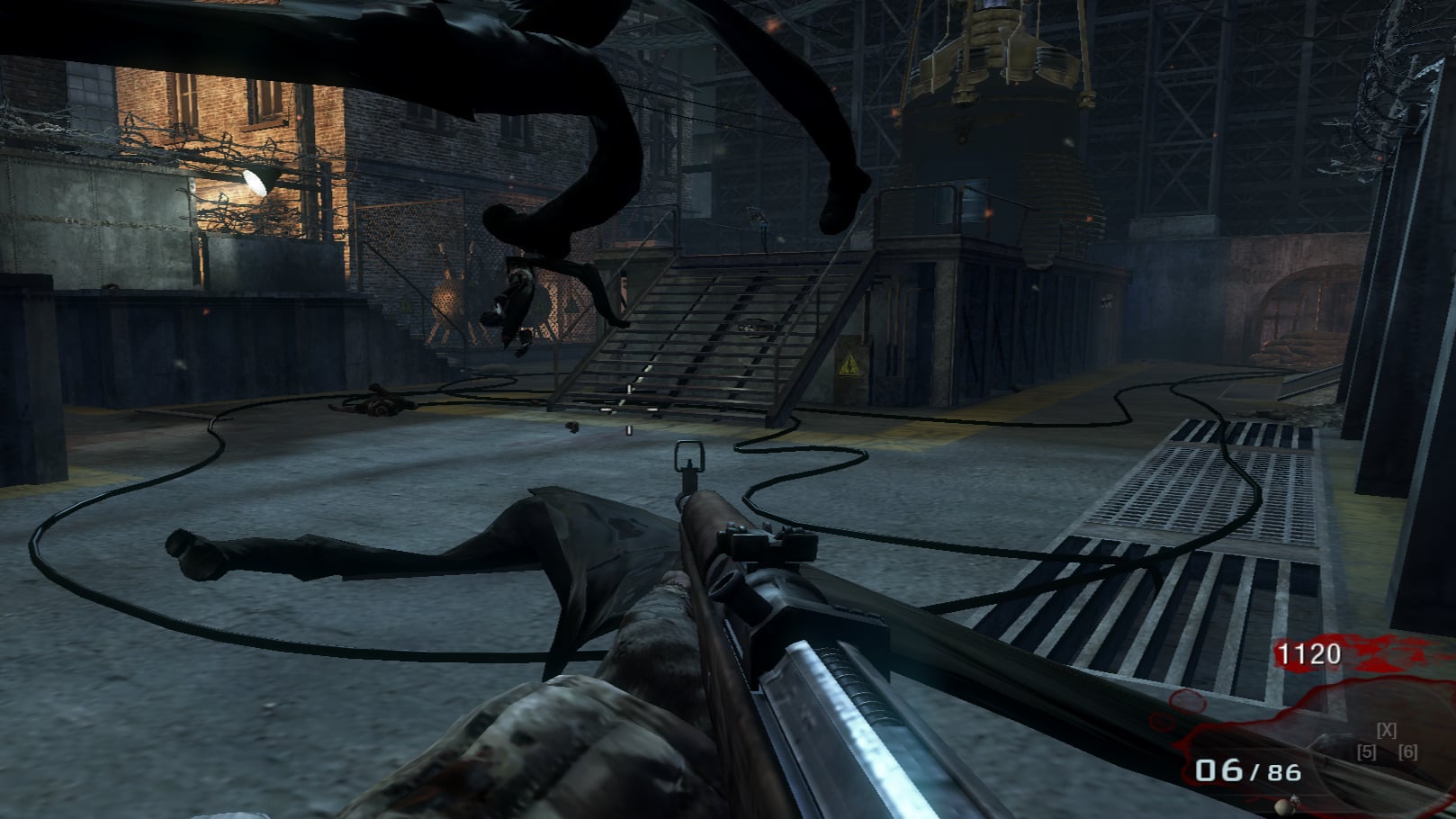
According to reports, players can now access Black Ops Zombies mode, full Skate 3 gameplay, Halo multiplayer, and Modern Warfare 2 all within a browser without additional software. These titles span multiple studios and publishers: Microsoft’s Halo franchise, Take-Two’s Grand Theft Auto and 2K’s Skate 3, Activision’s Call of Duty, and Fox’s The Simpsons: Hit and Run. Most ported games originate from the PS2 and PS3 eras.
How Well These Browser Ports Perform
Kotaku tested multiple browser ports and found results that alarm publishers: these implementations work far better than expected.
The Simpsons: Hit and Run Exceeds the Original
The Simpsons: Hit and Run port runs at 240 frames per second, according to Kotaku’s testing. This is a capability the original game never achieved. The port maintains visual consistency and mechanical accuracy, demonstrating how completely AI decompilation has recreated the underlying game architecture. The ability to exceed the original’s technical specifications shows the quality of reconstruction.
Halo: CE’s Working Online Multiplayer
Most concerning was Kotaku’s discovery of a Halo: CE browser port with functional online servers. Testing confirmed proper operation with low ping times. Among four different Halo: CE ports examined, this version stood out for implementing working multiplayer, something many community ports fail to accomplish.
Borderline Flawless Quality Across the Board
Kotaku found that most ports run borderline flawlessly. These are not crude hacks or barely-functional approximations; they are genuine implementations of full games with gameplay, graphics, and online features. Publishers cannot rely on technical inadequacy to discourage use, as the ports simply work.
Why This Is Possible Now
Two developments enabled this situation: advances in AI decompilation and modern web browser capabilities.
Claude Opus 5.5 Enables Fast Decompilation
Claude Opus 5.5, Anthropic’s latest AI model, excels at decompiling game source code. Previously, reconstructing source code from compiled binaries required months of manual work by skilled reverse engineers. The AI now handles this automatically, running overnight. Decompilation timelines have compressed from months to days or hours, fundamentally changing the accessibility of porting projects. The barrier to entry has shifted from specialized expertise and years of patience to basic development knowledge and access to the AI model.
Modern Browsers Have Enough Memory
The PlayStation 3 contained roughly 512 megabytes of RAM. Modern web browsers routinely use 1,200 megabytes. Since browser memory now far exceeds what these games require, memory is no longer a constraint for browser-based execution. Games designed for PS3-era hardware face no practical RAM limitations when run in browsers, removing a fundamental technical obstacle that would have made browser ports impossible five years ago.
The IP Protection Problem
Publishers can issue cease-and-desist letters and pursue takedowns of individual ports. This has worked throughout the internet for isolated copyright violations. However, Kotaku identifies a critical asymmetry: if ports can be created in days using AI, what prevents developers from simply creating new versions after takedowns?
This mirrors IP protection whack-a-mole on a scale resembling the pirated DVD era. The advantage lies with port creators, not publishers. Legal action addresses existing violations but cannot prevent new ones from being created quickly afterward. When a game can be decompiled and deployed within days rather than months, traditional legal enforcement becomes insufficient. Takedowns handle today’s violation, not tomorrow’s.
What Comes Next
Video game publishers face a problem that existing tools may not solve. Cease-and-desist letters will continue working on individual ports. The underlying capacity to create them, enabled by AI and supported by available browser technology, cannot be legislated away. Publishers may need to maintain constant vigilance with ongoing enforcement rather than occasional legal actions.
Kotaku’s reporting suggests the industry is entering a transition: intellectual property protection in video games has shifted from a technological problem requiring specialized expertise into a legal and enforcement problem dependent on publisher resources and attention. Whether that represents a sustainable model for the industry remains unresolved.
Source: Kotaku
Frequently Asked Questions
Which classic games are now playable as AI-decompiled browser ports?
According to reports, titles include Halo: CE, Grand Theft Auto: Vice City, Call of Duty: Black Ops, Modern Warfare 2, Skate 3, and The Simpsons: Hit and Run.
How well do these browser-based ports perform?
Kotaku tested multiple ports and found they run borderline flawlessly. The Simpsons: Hit and Run achieves 240 frames per second, and at least one Halo: CE port has working online servers with low ping.
What made these AI-decompiled browser ports suddenly possible?
Claude Opus 5.5 can decompile games automatically in hours or days instead of months. Modern web browsers also have sufficient RAM, approximately 1,200 megabytes, compared to the PS3's 512 megabytes, removing hardware constraints.
