
Key takeaways
- Barbie Rewind bundles 16 classic Barbie games from 1991 onward, launching November 12, 2026 for Switch, PlayStation, Xbox, and Steam at $30 (or $60 with a collectible doll).
- The collection addresses significant game preservation challenges by consolidating titles that have become difficult to access without original hardware or secondhand markets.
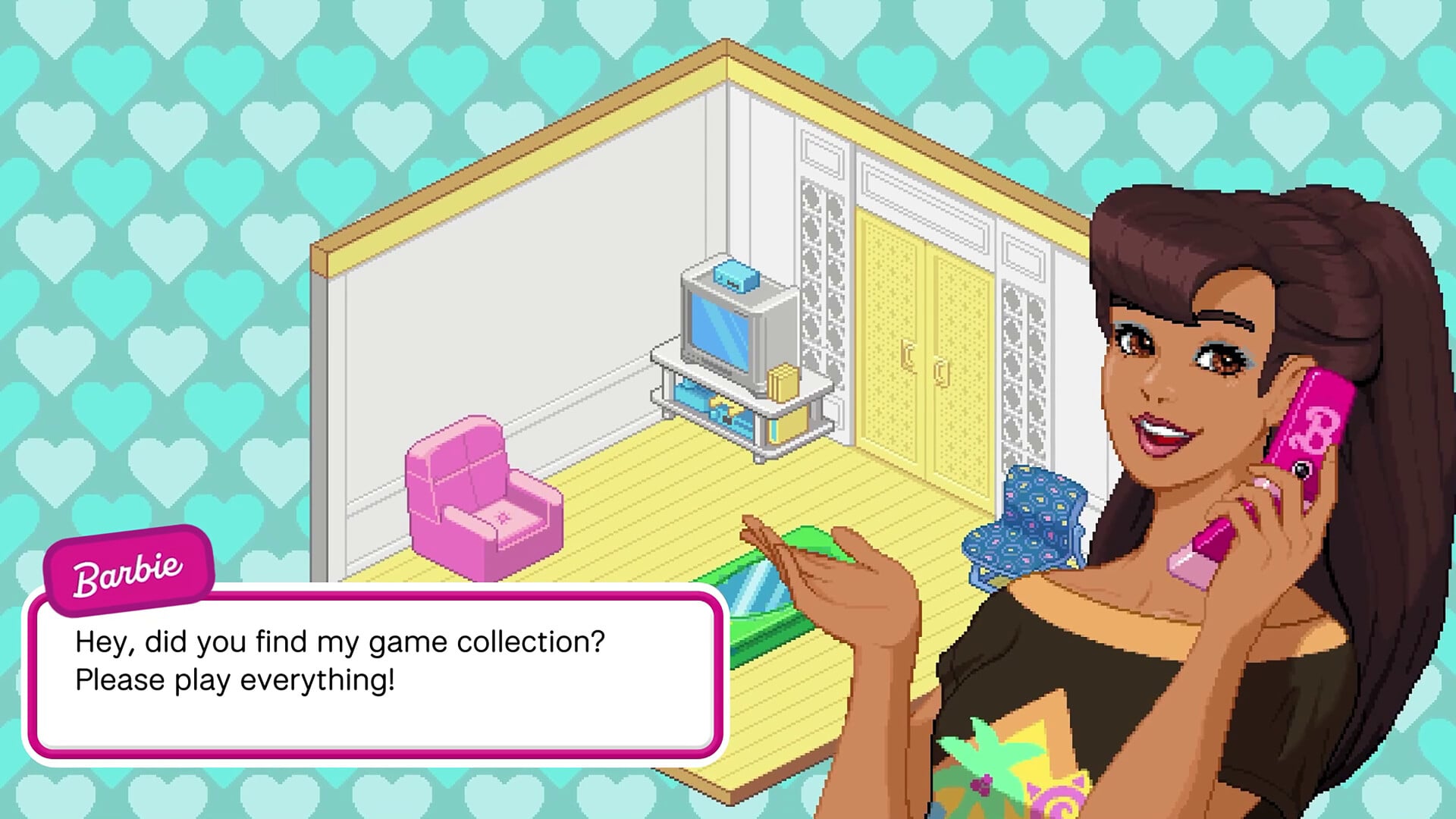
- All 16 games are framed within a playable, customizable Dreamhouse hub that serves as both a thematic connector and organizational interface for the collection.
Atari and Digital Eclipse are releasing Barbie Rewind, a collection of 16 classic Barbie games spanning three decades of the character’s video game history. The compilation arrives November 12, 2026 on Nintendo Switch (both models), PlayStation 4 and 5, Xbox One and Series X/S, and PC via Steam at $30. A premium $60 edition includes an exclusive Barbie doll wearing an Atari-branded t-shirt.
The Collection and Game Lineup
Barbie Rewind consolidates titles primarily released between 1991 and the mid-2000s, when Barbie games occupied a substantial corner of the casual gaming market. The 16 entries span multiple platforms and genres, from handheld systems like Game Boy Color and Game Boy Advance to PlayStation home consoles. Rather than present them as a simple menu, Atari and Digital Eclipse embedded all 16 games within a playable Dreamhouse hub that players can decorate and customize throughout their time with the collection.
Notable Titles in the Selection
The collection includes entries that reflect the experimental nature of Barbie game development during this era. Barbie Pet Rescue charges players with rescuing animals ranging from rabbits to lions, responsibilities that arguably constitute separate professions. Barbie Gotta Have Games functions as a competitive minigame collection pitting two Barbies (or Ken) against each other across eight challenges. Detective Barbie: The Mystery Cruise introduces an in-game “Crime Computer” mechanic, though the game’s character designs—particularly its version of Ken—have been characterized as visually awkward.
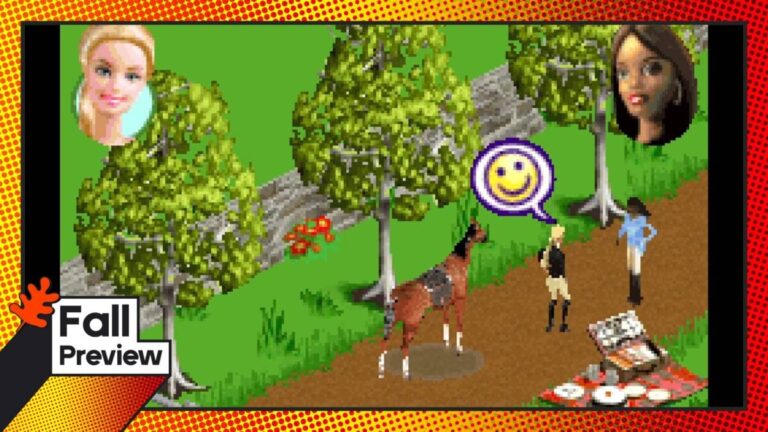
Barbie Race and Ride combines horse-care mechanics with racing elements, drawing from a long lineage of animal-focused Barbie titles that dominated the franchise’s gaming output. Barbie Super Sports, another classic from the collection, offered snowboarding and running challenges alongside cosmetic customization through an in-game store. These games reflect how Barbie’s digital presence emphasized personalization, pet care, and light competition rather than complex mechanical challenges.
Historical Reach and Genre Variety
The 16-game selection stretches from 1991 forward, capturing different eras of game design and hardware capabilities. Game Boy Color titles operated under severe technical constraints that shaped their design, while later PlayStation and Game Boy Advance entries leveraged significantly more sophisticated graphics and sound capabilities. This variation in technical sophistication documents the evolution of handheld and home console gaming across a specific historical window, though it also means players will encounter wildly inconsistent presentation and mechanical depth depending on which title they engage with first.
Why Game Preservation Matters Here
Barbie Rewind addresses a genuine challenge in video game preservation. Many Barbie titles released across Game Boy Color, PlayStation, Game Boy Advance, and other platforms have become difficult to access without either hunting through secondhand markets or maintaining aging hardware. The technical degradation of cartridges and disc players over 20+ years, combined with licensing complexities between Mattel and various developers, has rendered a substantial portion of Barbie’s digital catalog functionally inaccessible to most players.
Fragmentation and Licensing Barriers
Mattel’s licensing arrangements with multiple game developers resulted in dozens of distinct Barbie titles spread across different platforms and regions. Tracking down and playing a significant cross-section of this output required either maintaining functioning original hardware, navigating secondhand cartridge and disc markets, or relying on emulation—options unavailable to most players interested in experiencing these games. This fragmentation has meant that Barbie’s substantial contribution to gaming culture during the late ’90s and 2000s largely disappeared from mainstream consciousness and retail availability.
The Curatorial Philosophy
Barbie Rewind’s selection prioritizes representation across different eras and genres rather than attempting to identify only the finest entries from Barbie’s catalog. This approach reflects a preservation philosophy that emphasizes documentation and access, sometimes before quality reassessment. The collection exists to make these games available again, not necessarily to argue that all 16 represent timeless design achievements.
The Dreamhouse Hub as Connective Tissue
Rather than presenting 16 separate games through a static menu, the collection embeds them within an interactive Dreamhouse environment that players can decorate and customize. This design choice serves practical and thematic functions simultaneously. Thematically, it acknowledges that these games appeal to a cohesive nostalgic aesthetic—the Barbie Dreamhouse brand identity—rather than standing as individually essential titles deserving intense study.
Functionally, the decoratable hub creates mild engagement incentives between gaming sessions, encouraging broader interaction with the compilation than a simple menu might provide. It also unifies the collection’s presentation, grounding wildly disparate games within a shared virtual space that ties them conceptually to the Barbie brand’s core identity.
Pricing and Market Positioning
Standard and Collector’s Editions
The $30 standard price aligns with typical pricing for retro game compilations and curated collections released in recent years. A $60 collector’s edition adds an exclusive Barbie doll dressed in Atari merchandise, targeting players seeking supplementary collectibles beyond the 16 games themselves. Both versions provide identical access to all games and the full Dreamhouse customization feature, so the price difference solely reflects the optional physical collectible.
Cultural Timing
Barbie Rewind’s November 2026 release occurs within a moment of renewed cultural interest in Barbie, substantially driven by the 2023 live-action Barbie film’s commercial success. While Barbie Rewind functions primarily as a preservation and nostalgia project rather than a direct tie-in to recent film success, this context may contribute to audience receptivity for Barbie-branded entertainment across different media formats.
Barbie’s Place in Gaming History
Barbie’s presence in the video game market during the late ’90s and 2000s represented a sustained attempt by a toy manufacturer to establish brand continuity across emerging digital entertainment. The breadth of Barbie games released during this period reflected different experiments with game design and genre, with titles targeting younger audiences interested in pet care, fashion, customization, and narrative-driven gameplay in spaces few other properties dominated.
By the mid-2000s, publishing new Barbie games on mainstream platforms declined considerably. Cultural shifts that rendered Barbie media uncool for adolescent audiences, combined with changing market dynamics in casual gaming, meant that Barbie’s video game output largely vanished from retail and popular consciousness. Barbie Rewind represents the first comprehensive opportunity in years to revisit this historical output without acquiring original hardware or navigating technical barriers to access.
Availability and Launch
Barbie Rewind launches November 12, 2026, giving players approximately two months to decide whether revisiting (or experiencing for the first time) sixteen pieces of video game history aligns with their interests. For players who spent childhood sessions with these games or wish to understand what Barbie games offered during their commercial peak, the collection provides the most straightforward path to access the majority of this catalog since the games originally left retail shelves.
Frequently Asked Questions
When does Barbie Rewind release and on which platforms?
Barbie Rewind launches November 12, 2026 on Nintendo Switch (both models), PlayStation 4 and 5, Xbox One and Series X/S, and PC via Steam.
What is the price of Barbie Rewind?
The standard edition costs $30. A $60 collector's edition includes an exclusive Barbie doll wearing an Atari-branded t-shirt, though both versions contain the same 16 games and Dreamhouse features.
How many games are included and how far back do they go?
Barbie Rewind contains 16 classic Barbie games dating back to 1991, spanning multiple platforms including Game Boy Color, Game Boy Advance, and PlayStation systems.
