
Key takeaways
- Cookie's Bustle held a secret reunion party in Tokyo in 2026, inviting fans who had sent registration cards to the publisher back in 1999.
- A patent troll named Brandon White issued DMCA takedowns to erase the game from the internet until the Video Game History Foundation defeated him in March 2026.
- The party's messaging implied the game's quarter-century hibernation is ending, though organizers made no announcements regarding rereleases, remasters, or sequels.
A video game discontinued 25 years ago just hosted its first public gathering in the real world. Cookie’s Bustle, released in 1999, threw a secret reunion party last weekend in Tokyo for fans who had held onto registration cards from its original release. QualityTime Consulting, a Japanese technology firm, organized the event to mark the game’s quarter-century milestone since discontinuation and its recent liberation from a copyright dispute that had threatened to erase it entirely from the internet.
The guest list was carefully curated, including the small number of players disciplined enough to return registration cards to the publisher decades ago. The invitation, provided by the organizers, framed the reunion as the beginning of an ending: “For certain reasons, Cookie’s Bustle was discontinued in 2001, and Cookie, along with Gray the rabbit, went into a long hibernation. And as the end of that deep slumber approaches, you, our most valued customer, will be the first to receive the news.”
What Is Cookie’s Bustle?
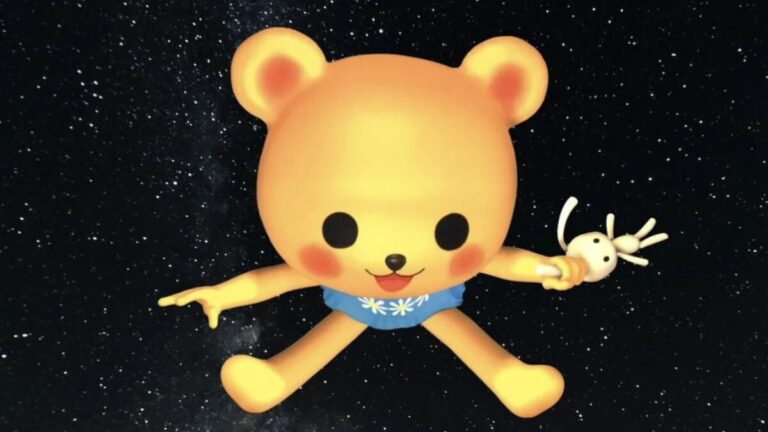
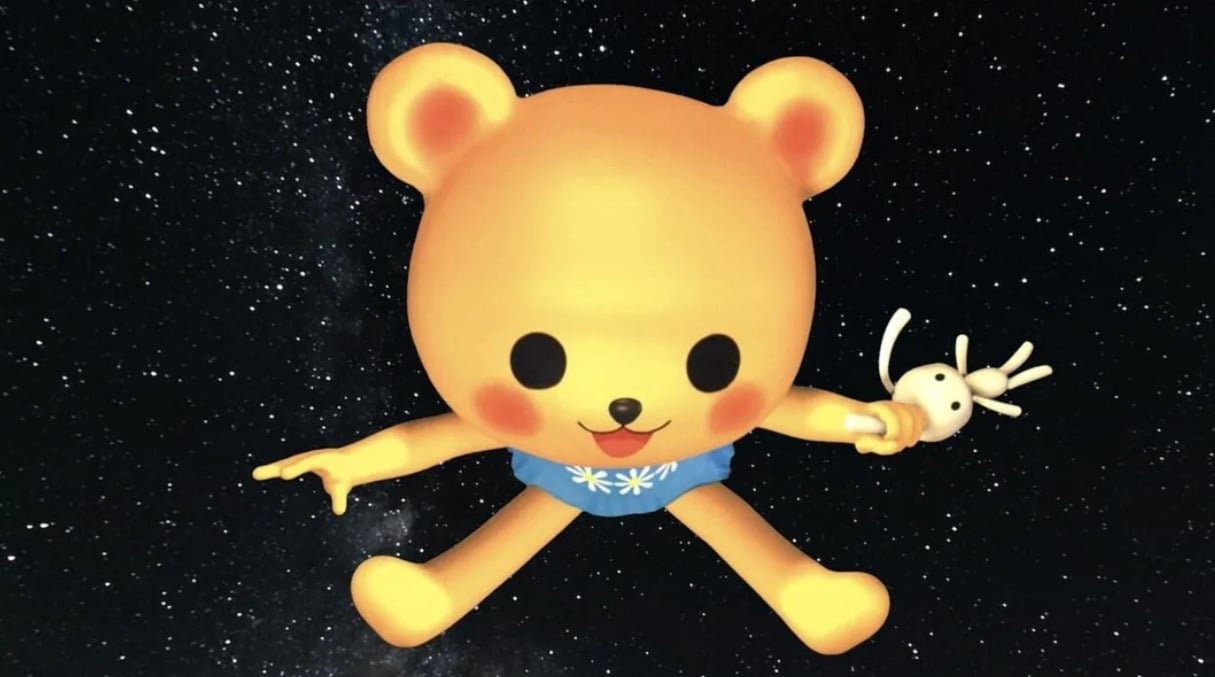
Released in 1999, Cookie’s Bustle: Mysterious Bombo World stands out as one of gaming’s most peculiar adventures. The protagonist, Cookie, is a Jersey girl with the conviction that she is a bear, and the game’s visuals do nothing to contradict that interpretation. Her journey takes her to a remote island nation founded by aliens, where she enters competition in their athletic games. Once there, she becomes caught in a violent revolution, though one presented in cutesy fashion.
The game exemplifies a distinct strain of 1990s PC gaming from Japan, where experimental design and surreal humor took priority over broad commercial appeal. Japan’s PC gaming infrastructure during this era was dramatically smaller than its console market or the PC development scenes in the West. As a result, titles like Cookie’s Bustle never reached international distribution and remain difficult for anyone outside Japan to locate.
The cult following that coalesced around Cookie’s Bustle shares DNA with fans of other forgotten Japanese PC games. Garage: Bad Dream Adventure, Zeddas, and Cosmology of Kyoto occupy similar niches in gaming history: known to dedicated enthusiasts but largely absent from historical documentation and increasingly scarce in playable form.
The Patent Troll Years
Brandon White and the DMCA Campaign
The game’s infamy grew less from its content and more from what happened after. As footage and documentation of Cookie’s Bustle on the ClassicsOfGame YouTube channel accumulated, someone intervened with aggressive legal action. An individual known as Brandon White issued repeated DMCA takedowns, systematically removing videos from the channel.
Each removal appeared part of a coordinated campaign to purge the game’s entire digital presence. Attempts to contact Keisuke Harigai, the actual creator of Cookie’s Bustle, went nowhere, leaving the community without an authoritative voice to defend the work.
The Video Game History Foundation Steps In
Relief came from the Video Game History Foundation. In March 2026, the foundation used legal action of their own to neutralize Brandon White’s claims, ultimately defeating the patent troll. The conflict ended with the ClassicsOfGame YouTube page restored to its complete state.
The Party and What It Signals
A Reunion No One Expected
The secret gathering in Tokyo last weekend was described variously as a “25th secret event” and a “time capsule event.” Attendees included not only modern fans but the specific subset of 1999 buyers who had bothered to send in registration cards, a detail that suggests QualityTime Consulting had retained these mailing lists for a quarter century.
The party itself featured live musicians performing arrangements from the game’s soundtrack, exclusive merchandise, a performer dressed as the character Cookie, and confectionery shaped to resemble her. The organizers requested that attendees refrain from taking photographs, though details of the event still circulated through social media over the weekend.
Questions About QualityTime’s Role
The exact relationship between QualityTime Consulting and Cookie’s Bustle remains opaque. The company was established in 2006, well after the game’s 2001 discontinuation, which raises questions about how they came to possess the registration card database and the authority to organize this celebration. Searches through archived versions of the company’s website on the Wayback Machine yielded no clarification on this connection.
Despite the party’s retrospective framing, attendees reported no announcements regarding rereleases, remasters, or sequels. The event was purely commemorative in nature.
What Comes Next
The language of the invitation employed by the organizers suggested more movement is forthcoming. Describing the game as emerging from a “long hibernation,” the message implied that this secret party was merely the opening act of a larger plan. Whether that plan involves making Cookie’s Bustle playable again through official channels, or simply represents an intention to restore it to active cultural memory, remains undeclared.
The Video Game History Foundation’s successful intervention against Brandon White in March ensures that documentation and footage of the game remain available to researchers and enthusiasts. Their work created the conditions for any resurrection effort to proceed without constant legal harassment.
A Place in Gaming History
The resurfacing of Cookie’s Bustle carries implications beyond the game itself. Japanese PC games of the 1990s constitute an understudied chapter of gaming history, one obscured by both geographic isolation and the dominance of console gaming in Japan during that era. When titles like Cookie’s Bustle disappear from circulation, they take with them evidence of how game developers experimented with medium and narrative in ways that never reached mainstream audiences.
The fact that enough players cared about this specific game to justify tracking down registration cards from 1999, and that an organization like QualityTime Consulting deemed it worthwhile to orchestrate a reunion party, signals that these obscure titles have earned their own form of historical importance. The internet has made preservation efforts possible in ways that would have seemed impossible during the early 2000s, when Cookie’s Bustle faded from view.
Cookie may have spent 25 years in hibernation, but her awakening is no longer purely speculative. Something moves in the background.
Frequently Asked Questions
What is Cookie's Bustle?
Cookie's Bustle: Mysterious Bombo World is a 1999 Japanese point-and-click adventure game following Cookie, a Jersey girl who believes she is a bear, as she travels to an alien-founded island nation and becomes caught in a violent revolution while competing in athletic games.
Why is the game so obscure?
Japan's PC gaming market in the 1990s was significantly smaller than its console market or Western PC development, resulting in limited distribution and making Japanese PC games from that era difficult to find and preserve.
Who organized the 25-year reunion party?
QualityTime Consulting, a Japanese technology firm established in 2006, organized the event in Tokyo. The company's exact relationship to the original game remains unclear.
