
Key takeaways
- Jagex announced a fourth mainline RuneScape game using Unreal Engine, the first mainline title to abandon the proprietary RuneTek engine after over two decades of operation.
- The new game will coexist alongside three existing RuneScape titles including Old School RuneScape, continuing Jagex's uncommon strategy of maintaining multiple concurrent versions simultaneously.
- An animated adaptation is in development with studio Lyrical and streamer MoistCr1tikal, expanding RuneScape into theatrical animation and cross-media entertainment.
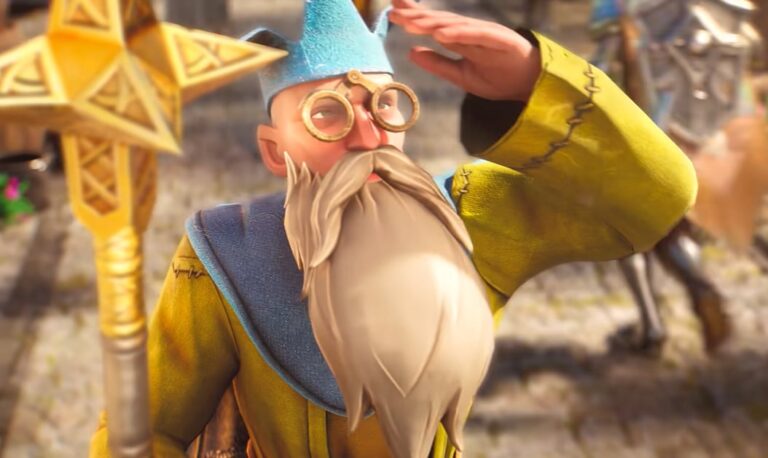
At RuneFest this weekend in Birmingham, Jagex unveiled two major announcements signaling the franchise’s evolution: a fourth mainline RuneScape game and an animated series with creator MoistCr1tikal. The game represents a technological shift to Unreal Engine, while the animation project marks Jagex’s entry into cross-media entertainment.
The Fourth RuneScape Gets Unreal Engine
The new RuneScape title will be the first mainline entry to abandon Jagex’s proprietary RuneTek engine in favor of Unreal Engine. While Dragonwilds previously used Unreal Engine 5, this mainline shift represents a substantially larger commitment. Jagex has not specified whether the new game targets Unreal Engine 5 or next-generation Unreal Engine 6, launching in late 2027. The studio described the project as “still a few years away,” indicating an extended development timeline.
The decision to announce at RuneFest rather than delay signals Jagex’s confidence in discussing the project publicly. The studio stated that it “could have kept it behind closed doors for much longer,” but chose transparency about its direction.
From RuneTek to Unreal
RuneTek powered RuneScape for over twenty years and became inseparable from its visual identity of low-resolution graphics and retro aesthetic. The migration to Unreal Engine promises modernized graphics and improved technical performance, though visual specifics remain undisclosed. This diverges sharply from RuneScape’s established look, raising questions about whether the new game appeals to players valuing legacy charm or alienates audiences through visual overhaul.
The engine choice carries implications beyond graphics. Unreal Engine’s architecture shapes gameplay responsiveness, world design scope, and feasible feature implementation. For competing with other modern MMOs, contemporary technology becomes essential for attracting new audiences.
Design Philosophy and Community Input
Jagex emphasized that the new game will synthesize technical lessons from Dragonwilds’ Unreal Engine development with community collaboration patterns from RuneScape and Old School RuneScape. The studio stated explicitly that “integrity and permanent progression will be central to our design principles,” anchoring the game to established philosophies despite technological renovation.
This suggests modernizing the engine does not mean abandoning foundational mechanics. Permanent progression, meaning player investments remain meaningful indefinitely, has defined RuneScape since 2001. Integrity likely refers to preventing exploitation and maintaining fair competition regardless of spending.
Coexistence with Existing Games
The new game will operate alongside three existing versions: the original RuneScape, Old School RuneScape based on a 2007 build, and Dragonwilds. All maintain active development and player support. Old School RuneScape has become the most popular despite its preserved legacy mechanics and visuals, suggesting players value the antiquated presentation specifically.
By introducing a fourth concurrent version, Jagex doubles down on an uncommon industry approach. Most MMOs sunset older versions as development consolidates around the latest iteration. RuneScape instead preserves choice across a spectrum from legacy preservation to contemporary design.
This parallel approach contains inherent friction. A modernized Unreal Engine game could attract players seeking improved mechanics and visuals. Yet Old School RuneScape’s dominance raises questions about whether a polished alternative expands the total audience or fragments the existing base across more options.
Animation and Cross-Media Expansion
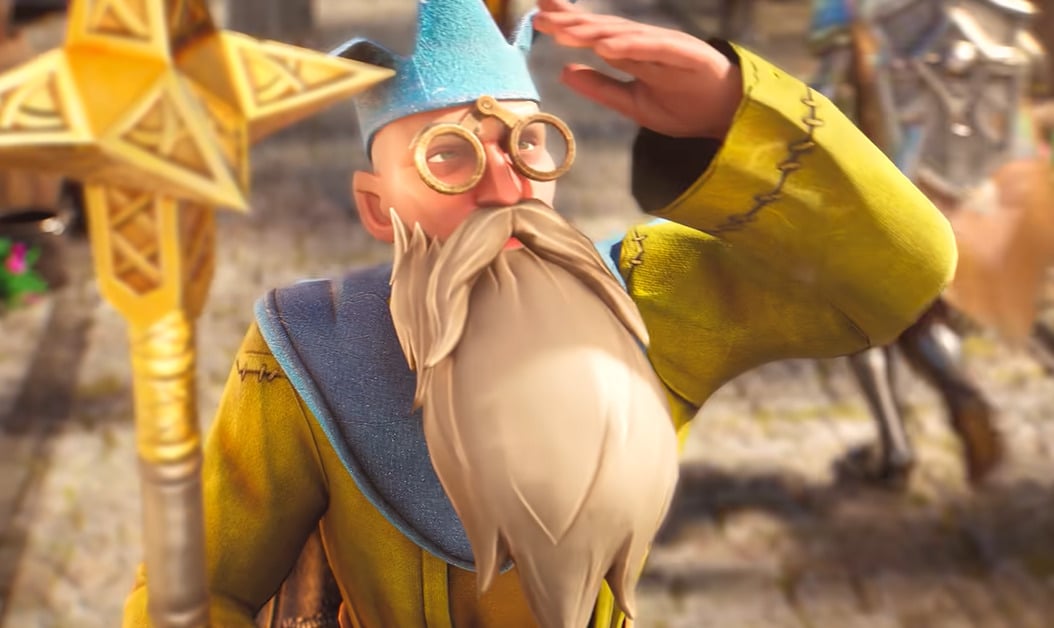
Jagex announced an animated RuneScape series, marking entry into theatrical animation. This represents strategic diversification beyond gaming into broader entertainment, a path common among established franchises.
Lyrical and Studio Credentials
Animation studio Lyrical will produce the series. Lyrical’s work includes How To Blow Up A Pipeline and Onslaught, plus the upcoming Bloodborne film based on FromSoftware’s property. This track record indicates capability translating properties across mediums while preserving tonal identity. RuneScape’s blend of humor and world-building across Gielinor requires a studio experienced with complex tone, making Lyrical’s selection strategic.
MoistCr1tikal and Digital Integration
Jagex enlisted Charlie White, known as MoistCr1tikal, to contribute to the project. White built recognition within gaming and streaming communities through prolific YouTube content covering internet culture and gaming. His involvement signals the animation will leverage YouTube audiences alongside traditional viewers, integrating digital native platforms into release strategy.
Lyrical stated its intention to tap “YouTube energy” through this collaboration, suggesting the adaptation will court digital audiences rather than targeting traditional broadcast exclusively.
Sustaining Multiple Products
These announcements reveal complementary strategic priorities. Video game development demonstrates confidence that RuneScape sustains multiple concurrent player bases with varying preferences. The animation project targets audiences beyond gaming communities, potentially introducing Gielinor to viewers unfamiliar with the franchise.
The core challenge involves resource allocation across multiple games and projects while maintaining quality. Few MMOs sustain active development across three separate iterations, much less while launching major ventures in parallel. RuneScape’s 25-year history and Old School RuneScape’s success provide evidence that audiences exist for both legacy and contemporary approaches. Whether Jagex can expand without compromising quality across all fronts remains the central question as these projects advance.
Source: Kotaku
Frequently Asked Questions
What engine will the new RuneScape game use?
The new RuneScape game will use Unreal Engine, either version 5 or 6, making it the first mainline RuneScape title to abandon Jagex's proprietary RuneTek engine that powered the series for over twenty years.
When will the fourth RuneScape game release?
Jagex described the game as "still a few years away," indicating an extended development timeline with no specific release date announced for the project.
Who is involved with the animated RuneScape series?
Animation studio Lyrical, known for How To Blow Up A Pipeline and the upcoming Bloodborne film, is producing the series with streamer Charlie White, known as MoistCr1tikal, contributing to the project.
