

Key takeaways
- Tour mode prioritizes survival over individual race wins; most events only require finishing to stay in contention for advancement.
- Vehicle builds demand intentionality—all three speeders work differently, and parts should complement your chosen strategy rather than collected randomly.
- Ramjet and afterburner boost systems require entirely different strategies; water cooling and ability battery management become crucial to race success.
- Roguelike tour structure means failures are inevitable, making progression sustainable only when players prioritize learning and defensive play over chasing every victory.
Star Wars: Galactic Racer presents a deceptively intricate challenge. On the surface, it’s a straightforward arcade racing game now available on PS5, Xbox, and PC. Beneath that veneer, however, lies a roguelike structure that punishes careless decisions. According to Kotaku, which recently explored the game extensively, players face far more complexity than a standard racer. Managing vehicle builds, understanding ability cooldowns, mastering multiple boost mechanics, and navigating track hazards all factor into success.
The game’s single-player tour mode tasks players with confronting a rival named Kestar Bool, but reaching that showdown requires more than raw speed. Tour progression operates on a philosophy where survival often trumps victory. Most events allow finishing fourth to remain in contention, which means players can accumulate credits and upgrade their vehicles rather than burning out chasing individual wins. Certain narrative moments demand winning to advance, but these moments are exceptions rather than the rule.
Vehicle Types Shape Your Approach
Star Wars: Galactic Racer offers three distinct speeders, each built for different playstyles. The landspeeder excels at defensive racing. It drifts smoothly around corners and absorbs punishment from aggressive NPC opponents. The speeder bike prioritizes agility and grants a turbo boost automatically when exiting a drift, rewarding precision cornering. The skimmer sacrifices maneuverability for raw acceleration on straightaways and raw damage output to rivals.
According to Kotaku’s hands-on experience, the landspeeder suited a cautious approach, though all three vehicles proved viable depending on player preference. Experimentation across different tracks and events reveals which vessel matches individual racing style.
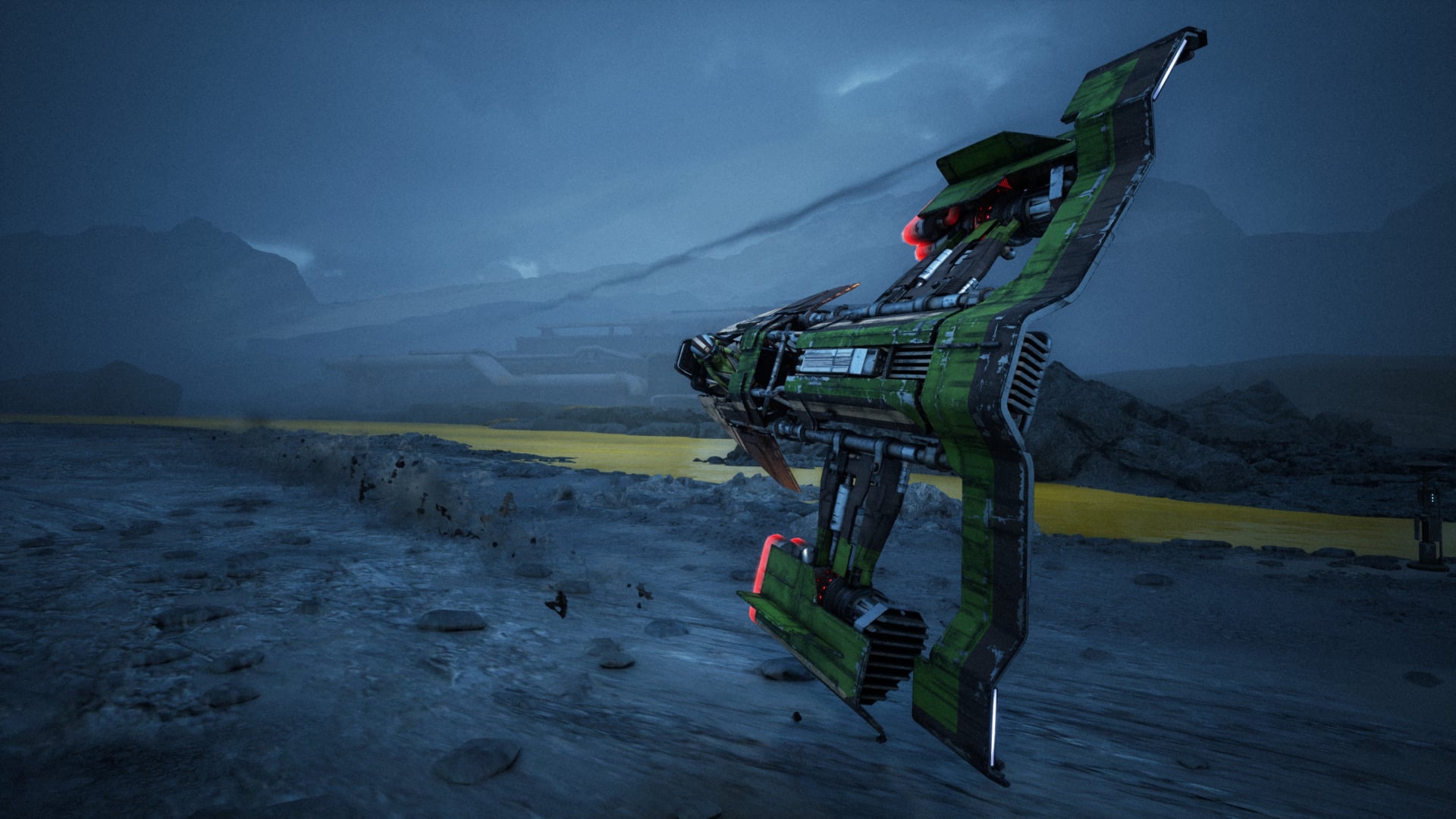
Build Philosophy Matters More Than Individual Parts
Many players approach vehicle customization reactively, grabbing whatever parts become available. This strategy backfires consistently. Instead, players should construct a coherent build that accomplishes specific goals: maximum speed, defensive resilience, or ramjet focus.
Upgrading the Right Statistics
Cornering and speed stand as the priority stats when points become available. Cornering directly translates to faster, tighter turns during races, proving crucial in competitive moments. Speed makes the vehicle faster overall. While damage resistance and drift statistics offer value, focusing resources on cornering and speed produces more noticeable improvements in tour progression.
Strategic Part Selection
Each part equipped should serve the overarching build strategy. If a player hasn’t unlocked any speeder abilities, upgrading battery capacity becomes pointless. A ramjet-focused build that prioritizes acceleration as the ramjet charges closer to overheating demands components that complement that high-risk, high-reward playstyle. This intentionality separates successful tour runs from repeated failures.
Repair Costs and Negative Traits
During crashes, vehicles sustain part damage that inflicts negative traits on performance. An alien scrap dealer between tour segments offers repairs for a credits fee. The calculus isn’t automatic. Sometimes negative traits prove minor enough that repair costs outweigh the benefit. Evaluate each damage critically rather than reflexively repairing everything.
Mastering Boost Systems and Abilities
Galactic Racer employs two distinct speed-increase mechanics that function entirely differently. Understanding when to deploy each one separates competent racers from champions.
Afterburner Versus Ramjet
The afterburner works intuitively: hold the button, accelerate faster, and the energy depletes automatically. The ramjet introduces complexity. Players track charge status via a meter and activate ramjet mode by clicking the right stick, then pressing the boost button. Ramjet acceleration exceeds afterburner output substantially, but holding the boost too long causes overheating and vehicle explosion. Water found in rivers and icy track sections cool the ramjet faster, creating emergent decision-making around when to seek those cooling zones.
Speeder Abilities and Battery Management
Beyond boosts, unlockable abilities like shields provide tactical advantages. A shield wraps the speeder in protective energy, allowing safe passage across hazards like lava and acid pools. Activating abilities costs battery charges represented as dots at the screen’s bottom left. Careful ability deployment becomes essential because running dry leaves the player vulnerable to environmental damage.
Track Knowledge and Strategic Pathing
Shortcuts permeate Galactic Racer’s track design, ranging from negligible time savings to game-altering routes. Some shortcuts cut multiple seconds from time trials or provide straightaways to retake leads. Others prove treacherous at high speeds, rewarding caution with discovery. Learning which shortcuts matter and executing them safely requires dedicated track exploration outside tour pressure.
The tour mode’s node-based menu allows planning ahead before selecting the next event. Examining upcoming nodes reveals which races connect to others, enabling players to avoid inappropriately difficult matchups for their current build or activate random events that provide incremental advantages. This forward planning transforms tour progression from reactive scrambling into intentional strategic navigation.
Alternative Competition Modes
The main tour mode dominates most player time, but Galactic Racer provides single-player events available from the start that serve dual purposes. Time trials and alternative races let players drive various vehicles across different tracks without tour penalties for failure. Kotaku highlighted these modes as valuable learning environments—less stressful than tour segments where a single crash cascades into broader failure.
For players specifically interested in podracing, the Arcade section features dedicated podracing events. The element is expected to factor into the tour eventually but doesn’t form the main focus initially. Online podracing exists as well, though leveling requirements gate access. Sebulba appears at camp during the main tour, offering players opportunities to pilot his famous podracer and experience historical racing moments.
The Roguelike Component Tests Discipline
Galactic Racer’s roguelike structure means tour failures require restarting the entire campaign. This pressure creates decision paralysis where players chase every win, which leads to reckless driving and escalating mistakes. The counterintuitive wisdom involves accepting early-tour defeats, prioritizing survival, and building toward inevitable later races. Crashes happen; treating them as learning opportunities rather than campaign-ending disasters normalizes the difficulty and creates sustainable progression paths.
Source: Kotaku
Frequently Asked Questions
Which vehicle should I pick in Star Wars: Galactic Racer?
The game offers three speeders, each suited to different approaches. The landspeeder offers defensive play and smooth drifting, the speeder bike prioritizes agility with automatic turbo on drift exit, and the skimmer excels on straightaways with high damage output. Experimentation across tracks reveals the best choice for your playstyle.
What statistics should I prioritize when upgrading my speeder?
Focus resources on cornering and speed. Cornering directly improves turn speed and tightness during races, proving crucial in competitive moments. Speed increases overall acceleration. While damage resistance and drift statistics offer value, cornering and speed produce more noticeable improvements to tour progression.
How do afterburner and ramjet boosts work differently?
Afterburner requires holding a button for straightforward acceleration that automatically refills during races. Ramjet requires charging a meter, activating ramjet mode via right stick click, then pressing boost, delivering faster acceleration but risking overheating and explosion if held too long. Water in rivers and icy areas cool ramjet faster.
