
Key takeaways
- NoGlyph's Needle In A Haystack clone was itself cloned by Little Field Studios with 39 functions matching byte-for-byte, enabled by Claude-assisted decompilation.
- AI tools now enable game code theft at industrial scale: a Roblox creator cloned Escape the Walls in 24 hours using only a single video.
- Indie developers lack legal resources to fight clones, forcing studios like Alliance Arts to cancel demos and go silent until launch.
- The speed of AI-powered code theft is reshaping how independent game developers release work, favoring secrecy over community building.
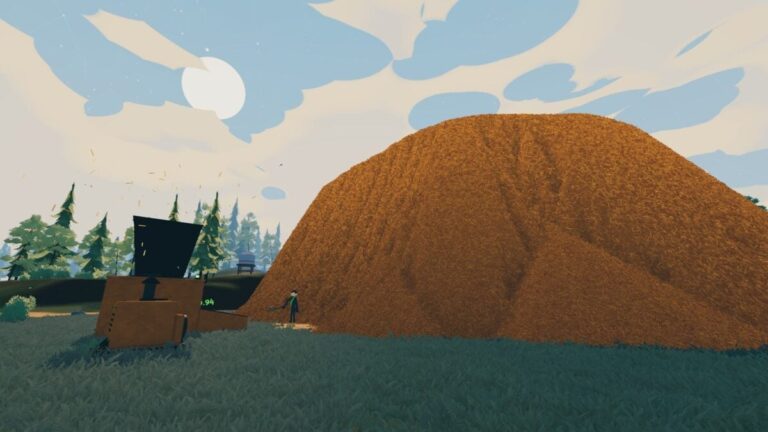
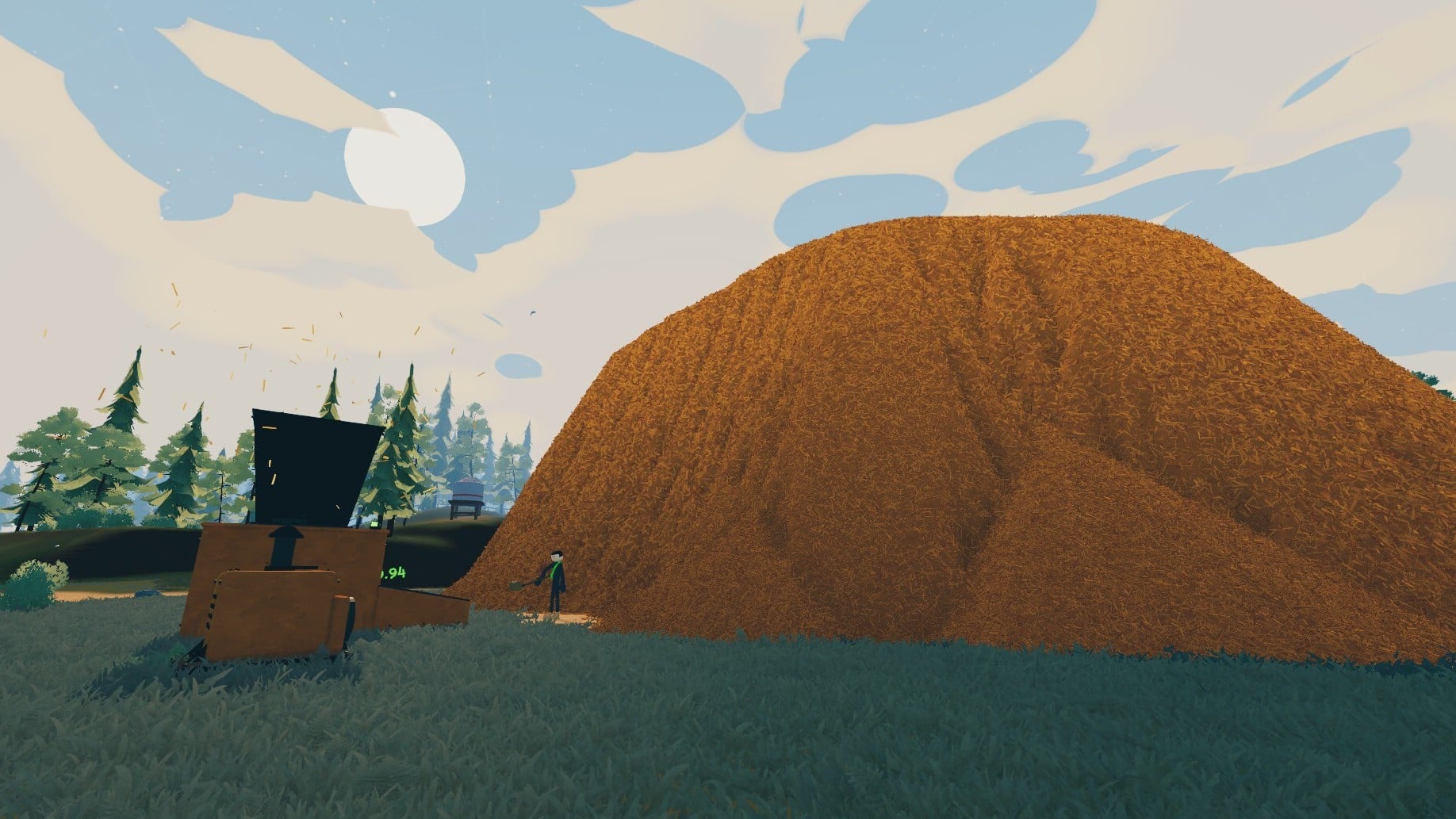
The problem starts with a genuinely clever concept that went viral: a game where you find a single needle among five million pieces of hay. Studio Bitdot released Needle In A Haystack Simulator in August, and clips of it spread across social media. The premise proved simple enough that within weeks, Steam filled with games bearing nearly identical titles—A Needle In A Haystack, Story of The Needle In A Haystack, and at least a dozen others. At least 14 clones exist on Steam alone.
This happens with viral games. Indie clones are common, sometimes representing independent development arriving at similar ideas. But what happened next in this particular chain reveals something more troubling: one clone accused another clone of stealing its code, using artificial intelligence to do it. Studio NoGlyph’s Needle In A Haystack, released September 29, discovered that Little Field Studios’ A Game About Needle In A Haystack—released October 16—did not just resemble their work. It contained their code.
The Technical Evidence
What NoGlyph Found
NoGlyph’s analysis found 13 classes inside Little Field Studios’ game bearing identical names to their own, with more than half of those classes matching exactly. The error messages were copied word for word, including references to shaders that do not exist in the copied version—a telltale sign that code was taken wholesale rather than rewritten independently.
NoGlyph’s lead developer, Jahvin, provided more forensic detail. Little Field Studios’ game contains 39 “same-named methods” that are “byte-for-byte identical.” That level of duplication is not accident or convergent development. It represents deliberate copying, made possible by specific technology.
How AI Made It Possible
What Jahvin describes points to a specific technique: Claude-assisted decompilation. The process is straightforward. Take a compiled, closed-source game, feed it into Claude with instructions to make sense of the binary code, and let the AI reverse-engineer readable source code. Then copy that code into your own project, or have Claude do the copying itself.
The speed matters. Before AI decompilation tools existed, this kind of code theft required a team of skilled reverse engineers working for days or weeks. Now one person with an AI subscription can accomplish it in hours. The 39 byte-for-byte identical functions suggest automation rather than manual transcription—Claude performing the work while a developer watched.
A Pattern Beyond Needle
This is not unique to Needle In A Haystack variants. In an earlier incident, a Roblox creator cloned Escape the Walls within 24 hours of its developer showing the game publicly. The method was identical: a single video posted to X became the reference material, fed to Claude, and the creator claimed credit while bragging that “Claude did everything for me; I just sat in my chair and watched.”
Alliance Arts, developers of Drunken Goddess Reflux, took the threat seriously enough to cancel their plans for a public demo on Steam. The reasoning was straightforward: release a demo, watch it get decompiled, see a full AI-generated version appear on Roblox or another marketplace within days. Staying silent until the complete game launched became the safer option.
Why Indie Studios Cannot Fight Back
Steam users responding to NoGlyph’s accusation were unsympathetic. Some referred to it as karma for NoGlyph’s attempt at riding the coattails of Studio Bitdot’s original game. Fair or not, the sympathy problem is secondary to a harder reality: indie developers lack the resources to fight code theft at scale.
Electronic Arts or Rockstar Games have legal departments capable of issuing cease-and-desists, filing DMCA takedowns, and pursuing international litigation. A team of three or four people cannot. They lack the funding, legal infrastructure, and capacity to keep up with how quickly clones appear. For every one they catch, three more spring up under different names. When at least 14 variants of the Needle concept exist simultaneously, the legal battle becomes unwinnable.
The Broader Consequences
The immediate consequence is already visible in developer behavior. Fewer early access releases appear, fewer public demos launch, fewer development trailers release. The risk calculation has shifted so dramatically that visibility looks like it enables theft rather than builds audiences.
This damages the entire ecosystem. Demos let players try before buying and give developers real feedback. Early access funds development and builds community. When these can be instantly decompiled and cloned, the incentive to share evaporates. Developers are choosing to hide work in progress until launch, eliminating the transparency that once defined indie game culture.
What makes this harder to solve is that the underlying tools are legitimate. Claude is a general-purpose AI with real, non-nefarious uses. Decompilation is not inherently illegal in most jurisdictions—security researchers and academics rely on it. The problem is not the existence of the tools. It is the speed and ease with which they have made theft scalable. One person now accomplishes in hours what a team of reverse engineers needed weeks to do.
The Human Cost
For Studio Bitdot, the original creator of Needle In A Haystack Simulator, there is an upside to the chaos: sales probably spiked, and the sheer absurdity of 14 clones has made their version more culturally visible as the authentic version.
For NoGlyph, which invested genuine time and effort to create a clean implementation of the same concept, getting cloned through automated code theft is different. It is not simple imitation—it is a specific undermining of the value of thoughtful independent work. And for the next wave of indie developers, the question is no longer whether theft will happen. It is whether showing your work at all is worth the risk.
Frequently Asked Questions
What exactly did Little Field Studios copy from NoGlyph?
NoGlyph found 13 classes with identical names in Little Field Studios' game, with 39 methods that matched byte-for-byte. Error messages were copied word-for-word, including references to shaders that do not exist in the copied version.
How does Claude-assisted decompilation work?
Developers feed a compiled game into Claude and use the AI to reverse-engineer readable source code from the binary, then copy that code into their own game. This process, which once required weeks of skilled reverse engineering, now takes hours.
Why are indie developers cancelling demos and early access?
Studios like Alliance Arts fear that public builds provide enough reference material for AI decompilation tools to quickly produce clones, and indie developers lack legal resources to fight code theft at scale.
