
Key takeaways
- NoGlyph accused Little Field Studios of copying 39 methods byte-for-byte after discovering 13 identical classes in their Needle In A Haystack clone released just one day after NoGlyph's own.
- AI tools like Claude can clone games within 24 hours using only gameplay videos, forcing developers like Alliance Arts to cancel demos and public releases to protect their work.
- Indie developers lack the legal resources to fight clones, meaning platforms like Steam continue hosting copies while original creators have no recourse.
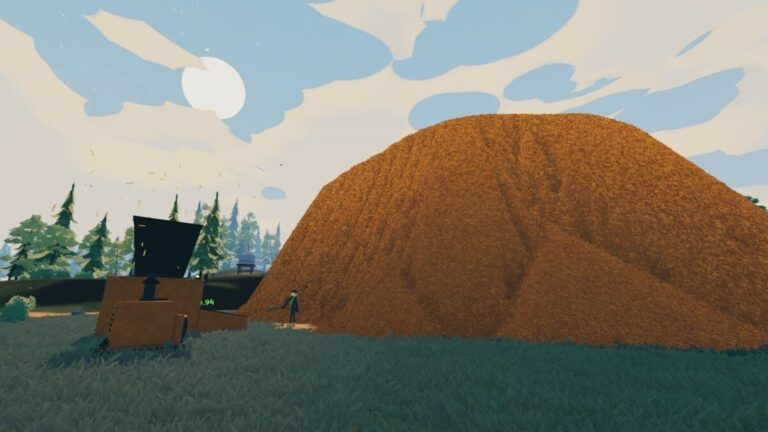
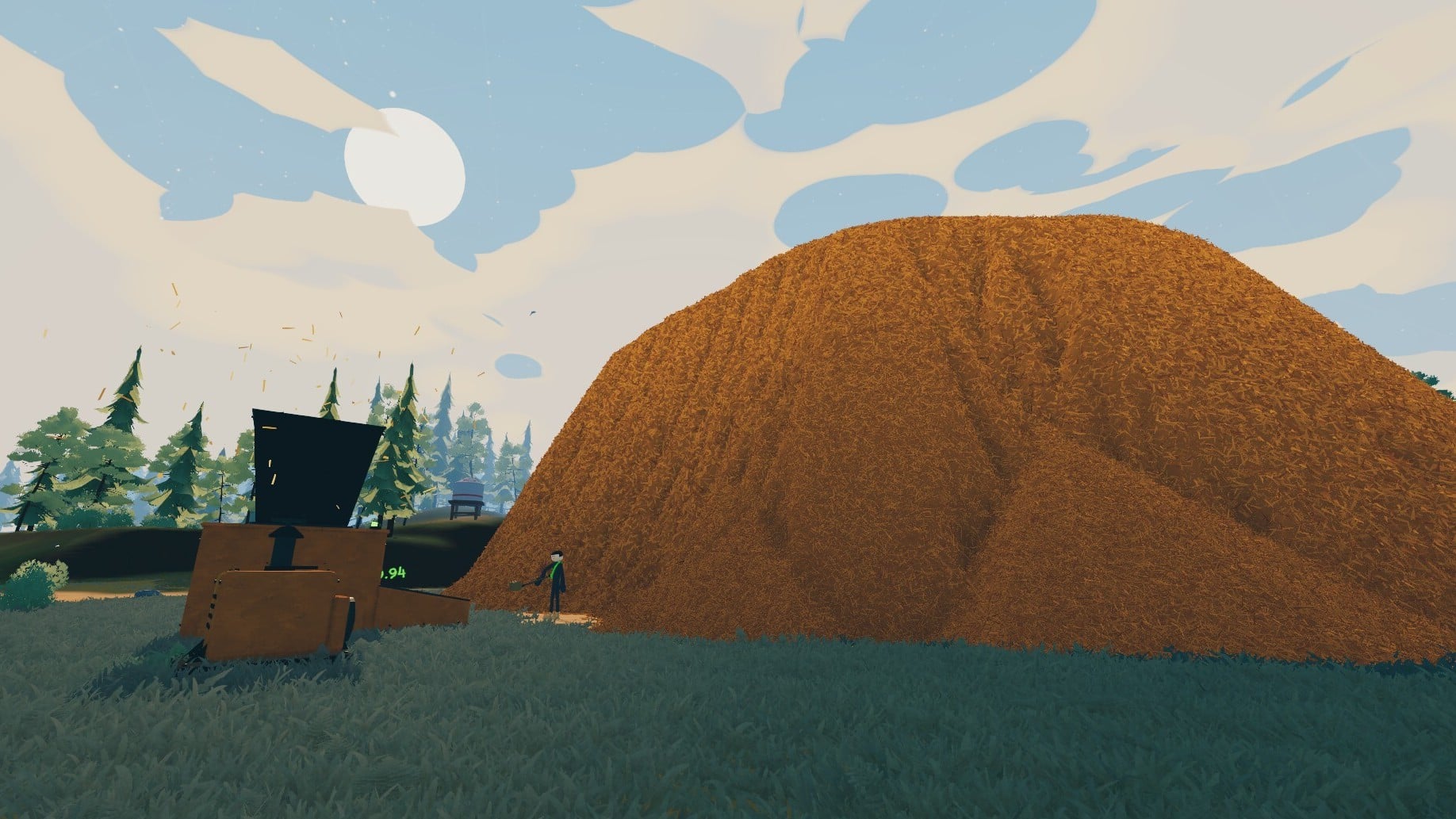
The viral success of Studio Bitdot’s “Needle In A Haystack Simulator” in August triggered an immediate wave of clones on Steam. Within weeks, at least 14 similar games with variations on the title had appeared on the platform, each attempting to capitalize on the incremental sorting game’s sudden popularity.
One of those clones came from NoGlyph, whose “Needle In A Haystack” released September 29. The title was straightforward, but the game itself was a legitimate attempt at the genre – it did not use AI code generation, and it included no AI disclaimers on its Steam store page.
That distinction mattered when, less than three weeks later, another clone appeared: “A Game About Needle In A Haystack” by Little Field Studios, released October 16.
On October 17, NoGlyph did what countless indie developers have done before – they accused another studio of copying. But this time, the accusation came with hard evidence.
The Clone That Was Cloned
NoGlyph’s Discovery
When NoGlyph examined Little Field Studios’ code, they found 13 of their own classes inside it with identical names. More than half the functions in those classes matched exactly. Error messages appeared word-for-word, including one that referenced a shader from NoGlyph’s project that does not exist in Little Field’s version – a dead giveaway of direct copying.
Technical Evidence
NoGlyph’s lead developer, Jahvin, went further in a Discord comment. He specified that 39 methods in Little Field’s game are “byte-for-byte identical” to NoGlyph’s own code. That level of matching, down to individual bytes, does not happen by coincidence or even by independent development. It indicates AI-assisted decompilation: taking a closed-source game, using an AI tool to reverse-engineer and make its code readable, and then copy-pasting that code into a new project.
The pattern is becoming recognizable. Byte-for-byte identical functions, copied error messages, classes with the same names – these are the fingerprints of Claude or similar AI models being used to extract and replicate code.
The situation contained a layer of irony that Steam users were quick to point out. NoGlyph itself was a clone, riding the coattails of Studio Bitdot’s original success. Now NoGlyph was the victim of a more aggressive form of the same practice. Some called it karma, but that framing misses something more important happening across indie game development.
When AI Can Clone Faster Than You Can Build
Escape the Walls and Drunken Goddess Reflux
The Needle In A Haystack copying was not an isolated incident. A Roblox creator cloned “Escape the Walls,” an upcoming indie game, within 24 hours of its developer showing it off publicly. The cloner used a single video posted on X and had Claude handle everything. When asked how the feat was accomplished, the creator did not hesitate: “Claude did everything for me; I just sat in my chair and watched.”
Separately, Alliance Arts, developers of “Drunken Goddess Reflux,” made a striking decision. They cancelled plans to release their game’s demo on Steam. Their stated reason: they feared that “works imitating or replicating this game’s presentation and gameplay could be quickly produced using AI” if the demo went public early.
These decisions point to a fundamental shift in indie game development. The problem is not slow, deliberate copying by rival studios. The problem is that AI can now analyze gameplay videos and reconstruct functional code in hours or days.
Why Legal Options Don’t Exist for Indie Developers
AAA publishers have lawyers, budgets, and legal departments. When their games get cloned, they can pursue copyright and intellectual property cases. Indie developers cannot.
When a clone appears on Steam or similar platforms, an indie studio’s options are limited. They can report it to the platform. They can go public with the accusation, as NoGlyph did. Neither option stops the clone. Neither costs the cloner anything. Legal action requires money – lawyers, court fees, time away from actual development. A solo developer or small team with limited funding simply cannot afford to challenge one clone, let alone the growing number appearing each day.
The economic reality is brutal. If fighting one clone costs tens of thousands of dollars in legal fees and new clones appear every week, the math becomes impossible. Indie developers face a choice: accept that their work will be cloned, or stop releasing work publicly.
The New Release Strategy
Fewer Steam demos are coming. Fewer early access launches. Fewer promotional videos and trailers. These were the tools indie developers used to build communities, gather feedback, and create hype. They are now liabilities when an AI can use them to reconstruct the entire game.
Drunken Goddess Reflux made that decision first, but others are watching. When Escape the Walls gets cloned in 24 hours, developers are learning the lesson. Transparency and community, the foundations of indie game development, now carry real risk.
The indie game scene has always run on early access, public builds, and community involvement. That model assumed rebuilding a game required time, money, and skill. AI changed that calculus. Rebuilding a game now requires a video and an AI prompt.
What Happens When Everyone Goes Dark
If fewer indie games reach public builds, fewer games get played by the community before launch. If fewer trailers go up, fewer people see what indie developers are working on. If fewer demos appear, the feedback loop that has shaped indie game development for decades breaks.
The immediate effect is less visibility for indie games and less community input during development. The longer effect is harder to predict. Fewer released games means fewer risks taken, fewer experiments, fewer voices heard from independent developers.
One developer in the Discord conversation captured the broader anxiety: “Everything is open sourced. Everything can be stolen in a day. We’re absolutely not ready and it’s gonna be BAD.” That fear is driving real decisions right now, not just speculation about future possibilities.
The clone problem started with a viral haystack game. It is becoming an existential question for indie game development itself.
Frequently Asked Questions
How did Little Field Studios copy NoGlyph's code?
When NoGlyph examined Little Field's game, they found 13 of their classes with identical names, 39 methods that are byte-for-byte identical, and copied error messages including one that references a shader from NoGlyph's project that doesn't exist in Little Field's version.
What happened with Escape the Walls?
A Roblox creator cloned the upcoming indie game within 24 hours of its developer showing it off publicly by using a single video posted on X and having Claude generate all the code. The creator publicly bragged about using AI to accomplish the task.
Why did Alliance Arts cancel their Drunken Goddess Reflux demo?
Alliance Arts cancelled their planned Steam demo release because they feared that AI could quickly produce imitations of the game's presentation and gameplay if the demo became public before the full game launched.
