
Key takeaways
- Artstorm admitted to using concept artist Alex Jay Brady's 2014 ekranoplan design without permission and committed to negotiating compensation.
- The plagiarized ship is priced at $50 to $700 in Modern Warships, meaning players purchased access to stolen intellectual property.
- Brady's design contains intentional non-functional elements, which Artstorm replicated exactly, making the plagiarism technically unambiguous.
- The incident raises questions about content management at Gaijin, the publisher of both Modern Warships and War Thunder.
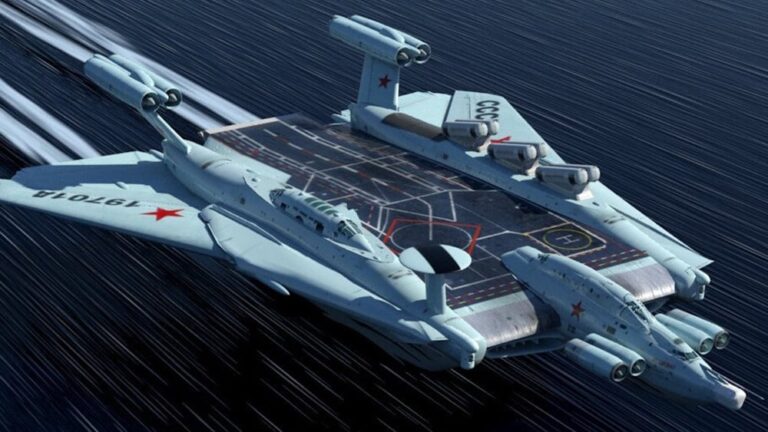
Concept artist Alex Jay Brady created an ekranoplan design in 2014, a theoretical hybrid ground-effect vehicle-aircraft that would skim just above water surfaces. The design was posted to social media, where it circulated among creative professionals and enthusiasts. Recently, the free-to-play naval warfare game Modern Warships added nearly identical imagery to its asset library without contacting Brady, asking permission, or offering compensation. When Brady discovered the unauthorized use and called it out publicly, the developer Artstorm did not attempt legal deflection or corporate misdirection. Instead, they admitted the plagiarism directly and opened negotiations to retroactively license the work.
How the Plagiarism Came to Light
Spotting the Design
Brady first discovered their design in Modern Warships through normal gameplay and documentation. The artist took to X, formerly Twitter, to report the theft, addressing Artstorm directly. The post struck a tone balancing acknowledgment of quality execution with firm assertion of intellectual property rights.
Brady complimented the in-game version, noting it was “much more detailed” than the original 2014 sketches. At the same time, they stated unambiguously: “I did not give @ModernWarships permission to use my ekrano design.” The artist added a crucial detail: they would have been entirely receptive to a commercial arrangement. “Honestly if they’d just asked and sent me some $$$ I’d have had zero issues with them using it,” Brady wrote. “It’s not too late to do the right thing guys.”
Technical Verification
When Kotaku reached out for additional context, Brady provided technical specifics about the design match. The artist confirmed the in-game version was essentially identical to their 2014 concept, with only minor modifications. This direct comparison made the plagiarism unambiguous rather than a matter of stylistic similarity or coincidental overlap.
Understanding the Ekranoplan Concept
What This Vehicle Actually Is
The ekranoplan represents a niche category in aerospace design: a ground-effect vehicle. These aircraft exploit aerodynamic principles that generate lift when flying within one vehicle-length of a surface, typically water. The effect creates a cushion of pressurized air that allows the vehicle to skim across the water surface without fully submerging or flying at conventional altitudes.
Brady’s 2014 design imagined this technology applied to a military carrier context. Rather than treating the ekranoplan as a standalone aircraft, the concept integrated it into a larger naval platform, blending air and sea combat capabilities into a single vessel.
The Functional Problems Hidden in the Design
What makes Brady’s analysis particularly striking is the revelation of deliberate and accidental design flaws embedded in the original concept. The engines, as positioned, would create exhaust wash across the flight deck during operation. The aircraft launch sequence was oriented backward, with planes taking off away from the wind rather than into it, violating basic aeronautical principles. Brady attributes these errors to the 2014 design phase, acknowledging unfamiliarity with military aircraft and naval engineering at that time.
Artstorm’s adaptation did not correct these flaws. Instead, the developer replicated them faithfully, including all functional contradictions and mechanical impossibilities. This wholesale duplication, down to the non-functional elements, provided definitive proof that Brady’s design had been the reference source rather than Artstorm having independently arrived at similar specifications.
Developer Admission and Negotiations
Breaking the Pattern
Artstorm’s response broke the usual pattern of developer behavior when caught using unlicensed assets. Rather than issuing carefully worded legal denials or remaining silent, the studio publicly acknowledged the violation on X. The response stated: “Fair call, and apologies from us. Your design was used as a reference without proper clearance. We’ll contact you directly to make this right.”
This directness accomplished several things simultaneously. It removed any ambiguity about Artstorm’s knowledge of the violation. It signaled willingness to negotiate rather than litigate. It positioned the company as responsive to creator concerns rather than defensive. The public nature of the acknowledgment created accountability and made back-channel settlement negotiations more credible to outside observers.
Brady’s framing of the issue, combined with the developer’s admission, transformed what could have become a drawn-out legal dispute into a straightforward compensation discussion.
Monetization and Revenue Impact
The Price Tag on Stolen Work
The ekranoplan is not a base-game asset or standard cosmetic available to all players. Artstorm placed it behind Modern Warships’ monetization systems instead. Kotaku calculated the acquisition cost: players can spend $50 to $100 attempting random gacha draws to unlock it, or pay $700 outright for guaranteed access. This pricing structure makes the ekranoplan a premium collectible within the game’s economy.
Every purchase before compensation arrangements with Brady translated into revenue for Artstorm based on stolen intellectual property. The cumulative financial impact depends on how many players purchased access to the design during the period between its addition and Brady’s public complaint. For a game with a few hundred concurrent players, total sales volume may be modest, but the principle remains clear: monetization of plagiarized work occurred without creator compensation.
Publisher Context and Industry Scale
Gaijin’s Responsibility
Modern Warships operates under Gaijin Entertainment, the publisher behind War Thunder, one of the gaming industry’s most substantial free-to-play military simulators. War Thunder commands a substantially larger player base and revenue stream than Modern Warships. Gaijin’s track record and resources make the content management failure more conspicuous.
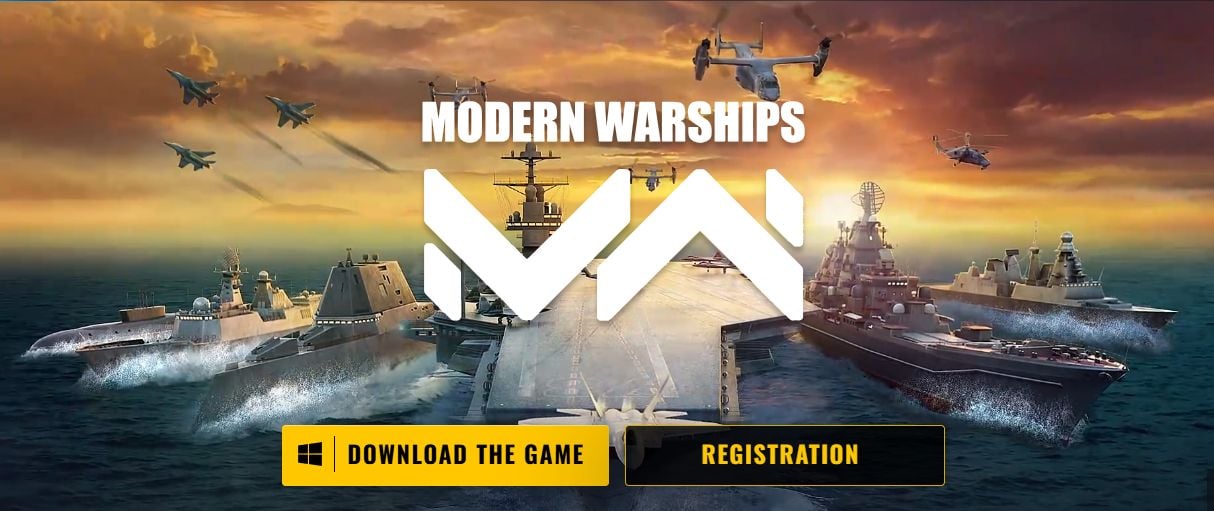
The visual presentation and promotional materials for Modern Warships deliberately echo World of Warships, Wargaming’s own naval combat franchise, right down to how ships are arranged in marketing artwork. Kotaku noted these similarities as a structural parallel to the plagiarism issue, suggesting Modern Warships operates within a competitive space where borrowing design language from established titles is endemic.
Whether the ekranoplan represents an isolated incident or the tip of a larger asset management problem remains unclear. Kotaku suggests that other artists might want to audit the game to determine if their work has been similarly incorporated.
Implications for Creators and Studios
What Changes Going Forward
Brady’s approach, combining public acknowledgment of theft with openness to fair compensation, created resolution leverage without requiring formal litigation. The artist signaled upfront that licensing would have been acceptable had the studio simply asked beforehand. For Artstorm, the cost of retroactive licensing is ultimately less than legal defense and settlement proceedings.
For independent artists, this case demonstrates both the reach and the risk of publicly sharing designs online. Professional studios and developers actively monitor creative communities and social platforms for assets that can be incorporated into games. Brady’s experience suggests that keeping documented records of creation dates and original posts strengthens any plagiarism claims.
For studios, the incident offers a cautionary note about intake processes for asset reference and adaptation. A simple rights-check workflow, verifying that reference materials are either original studio work or properly licensed, would have avoided the entire situation.
Source: Kotaku
Frequently Asked Questions
What is an ekranoplan and why is Brady's design significant?
An ekranoplan is a ground-effect vehicle that skims across water using aerodynamic lift. Brady's 2014 concept imagined this technology applied to a military carrier vessel, blending air and sea combat capabilities into a single platform.
How much does the plagiarized ekranoplan cost in Modern Warships?
Players can spend $50 to $100 in random gacha draws to unlock it, or pay $700 for guaranteed access, according to Kotaku's calculations.
Why is Artstorm's response to the plagiarism noteworthy?
Rather than denying the theft or remaining silent, the developer publicly admitted to using Brady's design without permission on X and committed to contacting Brady to make it right, avoiding typical corporate deflection.
