
Key takeaways
- Nerial closes after 13 years and 11 games, with founder François Alliot returning to independent development after his studio was acquired by Devolver Digital in 2021.
- Alliot points to post-COVID industry contraction, AI's disruptive presence, and declining returns on Card Shark and Crush House as reasons he needs to step back from studio management.
- Devolver retains all rights to Nerial's catalog, though Alliot expressed confidence they will collaborate if pursuing Reigns or Card Shark sequels in the future.
- Alliot warns that game developers face an accelerating landscape where original concepts are copied and iterated within 24 hours on Steam, squeezing independent studios' window to monetize novel ideas.
Nerial, the indie studio behind the hit mobile strategy game Reigns, is shutting down after nearly 13 years and 11 games. The decision marks a significant moment in the studio’s history, one that reflects not just commercial struggles but a personal reassessment by founder and creative director François Alliot about what he wants from his indie career.
The shutdown comes after a period of diminishing returns. While Reigns achieved mainstream breakthrough status upon its 2016 launch, inspired by the mechanics of Tinder and celebrated for its wry commentary on power, money, and mortality, more recent releases have underperformed commercially. Card Shark and Crush House, the studio’s latter entries, generated significantly less revenue and reception than its flagship title, pushing Alliot to “step back and rethink what I want to do with my indie career.”
Alliot frames the closure not simply as a financial failure but as part of a broader industry contraction. “It’s become a bit difficult to push forward, especially with the current context, with post-COVID, there’s a bit of this crash in the video game industry that everyone knows,” he said. “AI sucking out all the air from the room.”
From Tinder to Mainstream Success
A Game That Broke Through
When Reigns launched in 2016, it arrived at precisely the right cultural moment. Mobile games rarely broke into mainstream gaming discourse, yet Reigns managed to establish itself as a critical and commercial phenomenon. The core loop, swiping left or right on royal decisions, was deceptively simple, but the execution was sharp. Its strategy mechanics and satirical take on governance, wealth, and mortality resonated across audiences.
Licensed Expansions
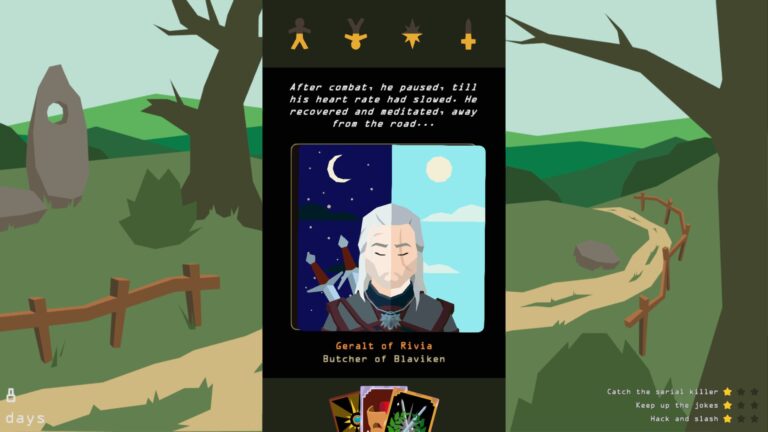
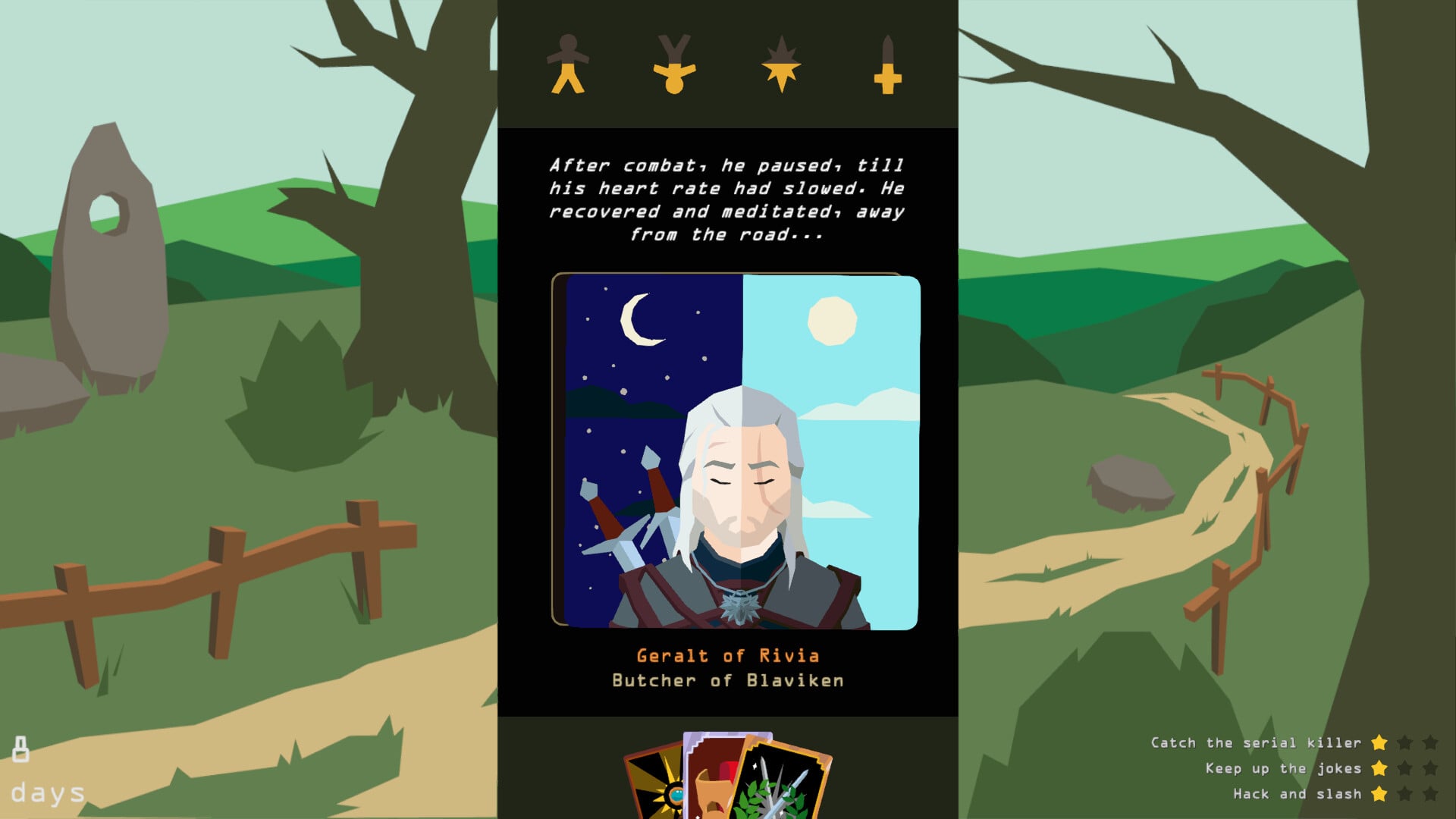
The success spawned licensed variations: a Game of Thrones-themed edition and a Witcher crossover both demonstrated the flexibility of the format. These spinoffs extended Reigns’ reach beyond its original audience and validated the studio’s core design philosophy.
However, that 2016 launch moment represented a peak that the studio has not recaptured. A full decade has passed since Reigns defined a new genre for mobile gaming.
The Devolver Digital Years
The Constraints of Ownership
Nerial was acquired by Reigns’ publisher Devolver Digital in 2021. Alliot describes the relationship positively and characterizes the shutdown as a mutual decision, yet his comments reveal a creative tension that ultimately led to the split.
Being owned by a larger publisher fundamentally altered how the studio operated. “Having been bought by Devolver, you become an internal studio,” Alliot explained. “So that means each of our games needs to be a Devolver game. And Devolver needs to publish all Nerial games, which it did match very well for Reigns, it did match very well for Card Shark, for example.”
What began as a natural alignment grew complicated as the studio’s creative ambitions diverged from publisher expectations. “Every time we have to think about what the other wants. And there’s a bit of a second guessing,” Alliot said. “I recognize this situation, where you lose a bit of the concentrated energy that you had as a pure indie.”
Rights and Independence
Devolver retains the rights to Nerial’s entire catalog, a decision Alliot supports. He argues he has said everything he wanted to say through those games. He also expressed confidence that if Devolver pursues sequels like Card Shark 2 or additional Reigns entries, they will approach him first. Beyond that, Alliot is most interested in keeping his prototype work, particularly experimental projects that reflect his current creative direction.
The Team and the Cost
Nerial consists of nine people. Alliot and his wife, Tamara, will continue as independent developers, but seven team members are being let go as salaried employees. Alliot expressed hope of retaining them as contractors but acknowledged he cannot currently support their salaries.
He requested space to publicly acknowledge each person:
- Helen O’Dell, the artist behind Reigns’ visual identity
- AJ Kerr, the producer
- Gordon Speirs, Ben Obikoya, and Neil Goodman, all developers, with Speirs and Goodman collectively representing 30 years of industry experience
- Oscar Harrington-Shaw, writer of Reigns: The Witcher, who took over narrative duties after Alliot stopped writing following Reigns: Beyond
- Neil Bull, the designer
“These people are amazing, and they did a great job for us,” Alliot said.
The timing of the layoffs compounds the tragedy. The broader games industry is experiencing a contraction, with investment drying up and countless developers seeking work. Layoffs have become routine across major studios and publishers alike.
What Comes Next
Alliot plans to step away from the daily grind of running a studio. He has been frequenting museums, including the Louvre and Musée d’Orsay, seeking inspiration for his next chapter. He hints that his future work may draw from visual art in ways his previous projects did not.
The indie path appeals to him precisely because it demands fewer compromises. “And it might work, might not work, but it doesn’t involve so many people,” he said, referring to the independence he is seeking compared to the constraints of being an internal studio within a larger organization.
Industry Turbulence and the Copy Problem
The Speed of Imitation
Alliot’s broader concern extends beyond Nerial’s fate. He is alarmed by how rapidly the games industry absorbs and iterates on novel concepts, a problem he sees amplified by generative AI.
“I see original concepts being copied within a day and having like thousands of iterations around them on Steam,” Alliot noted. “This is getting quicker and quicker. The idea is that when we bring a new project, we bring something new. A new experience, a new angle on something that’s known. But if you can copy that within a day, that becomes a bit worrying for me.”
The speed of imitation threatens the value proposition of independent studios, which traditionally rely on differentiation and novel voices to compete. If original mechanics and concepts can be mass-produced and deployed across hundreds of variations in 24 hours, the window for an independent studio to establish and monetize its work shrinks dramatically.
Navigating Chaos
Alliot acknowledges the current moment feels chaotic. “I feel there’s a very, very rapidly changing landscape of games at the moment,” he said. “I suppose it’s going to take a few years. I hope we come out of this better.”
Yet despite these concerns, Alliot maintains confidence in his own ability to contribute something distinctive. “I still have things that I can say and I can create that will be new and different and bring a new voice,” he said. “And hopefully people will recognize that.”
The question now is whether the market will reward independent voices in an environment where novelty is commoditized within hours.
Source: Kotaku
Frequently Asked Questions
When did Reigns launch and why was it so successful?
Reigns launched in 2016 as a Tinder-inspired mobile strategy game that broke into mainstream gaming discourse. It succeeded through its simple swiping mechanic for decision-making and satirical commentary on power, money, and mortality, spawning licensed editions for Game of Thrones and The Witcher.
Why is Nerial closing and what are Alliot's plans?
Alliot cites the post-COVID video game industry crash, AI's impact, and declining commercial returns from Card Shark and Crush House. He plans to step back from studio management, visit museums like the Louvre and Musée d'Orsay for inspiration, and eventually return to independent game development.
Does Devolver Digital still own Reigns and Nerial's other games?
Yes, Devolver retains all rights to Nerial's catalog and can develop new entries. Alliot expressed confidence that Devolver will contact him first if they pursue sequels like Card Shark 2 or new Reigns games, and he is keeping his prototypes for future independent projects.
