
Key takeaways
- Sega launched Total War: Shogun 2 – Complete Edition on October 13 to overwhelming backlash, earning only 17 percent positive reviews out of nearly 2,000 on Steam.
- The remake used undeclared AI technology to enlarge artwork from the original game, producing farcical results that appeared to bypass any meaningful quality control.
- Sega's controversial decision to remove all other versions simultaneously and charge $40 for the broken remake backfired, prompting restoration of the original for sale.
- The disaster raises questions about why such obvious technical failures reached launch and why the required AI disclosure was omitted from the Steam store page.
When Sega released Total War: Shogun 2 – Complete Edition on October 13, it was billed as an “updated, enhanced, and complete version” of the studio’s 2011 strategy classic. The launch went catastrophically wrong. Within hours, the game faced an overwhelming wave of negative Steam reviews citing graphical problems, bugs ranging from new issues to recurring ones, a poorly designed user interface, and perhaps most importantly, the undeclared use of artificial intelligence to enlarge in-game artwork. The backlash was severe enough to prompt Sega to announce its intention to pull the remake from sale entirely.
The Problematic Replacement Strategy
Sega’s decision to remove the remake was not the only controversial choice surrounding this release. The publisher had also delisted every other version of Total War: Shogun 2 at the same moment, eliminating the more affordable original from Steam’s marketplace. In its place stood only the remake, priced at $40, marking a substantial jump from what players had previously paid for access to the 2011 title.
Pricing and Availability Shifts
The price increase coincided with the removal of consumer choice. Players who might have preferred the original could no longer access it, forcing them to either accept the premium priced remake or abandon the franchise entirely. This all-or-nothing approach intensified the backlash when the remake launched in poor condition.
The Reversal
Sega has now committed to reversing this strategy. The original version will be restored to sale, restoring the bargain option that had been removed. Those who felt the $40 price tag was unjustified for what amounted to a broken remake will, at least temporarily, have an alternative.
Technical and Design Failures
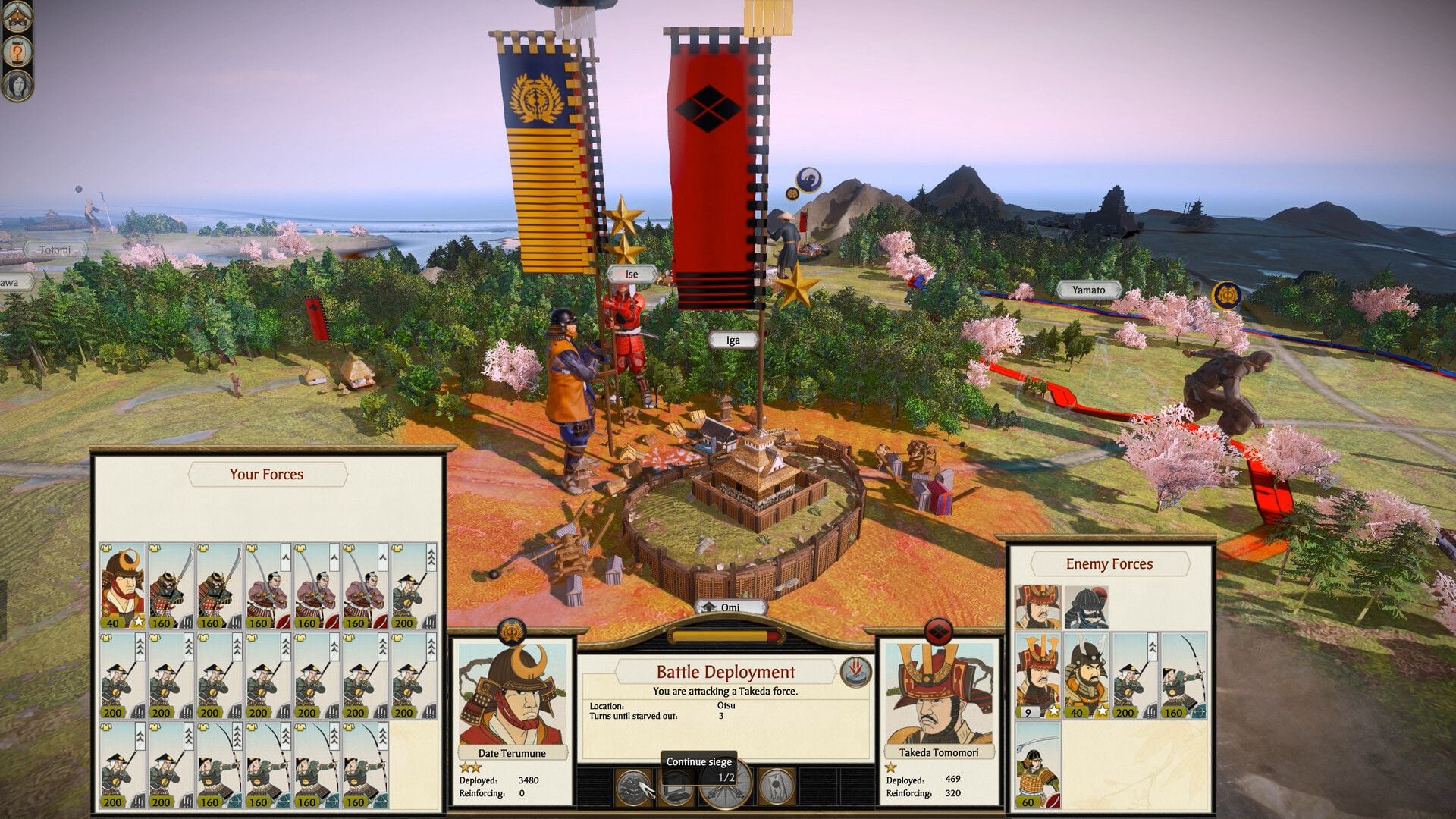
The remake’s technical presentation fell far short of expectations. Players reported degraded graphics compared to running the original on modern hardware, an accumulation of both new and returning bugs, and interface changes that made the game less functional rather than more so. These issues alone would have generated criticism, but they became more damaging when combined with other problems.
Visual Quality Regression
Rather than improving the visuals, the remake appeared to have worsened them in certain respects. This created a situation where a modern update became less visually appealing than the original it meant to supersede.
Interface and Stability
Beyond graphics, the remake introduced interface problems that frustrated players accustomed to the original’s design. Combined with performance issues and bugs, these added to a sense that the update had not been properly tested before release.
The Undisclosed AI Upscaling Problem
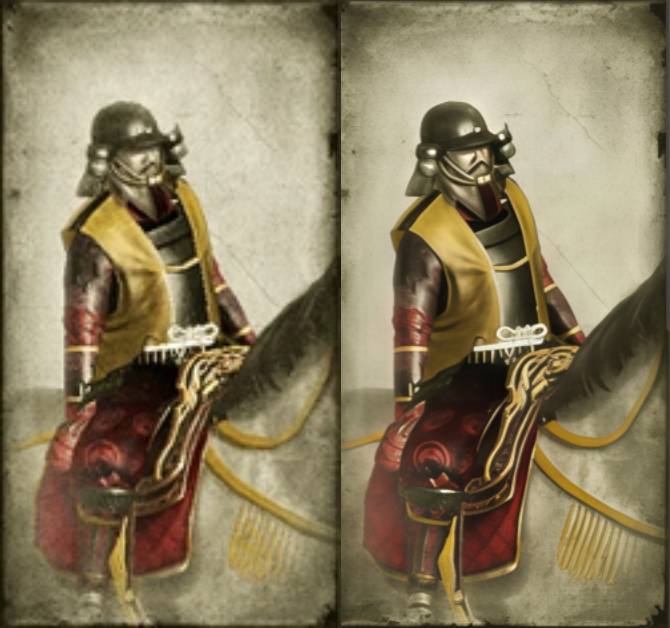
Perhaps the most damaging aspect of the remake involved the undeclared use of artificial intelligence to enlarge artwork throughout the game. The publisher applied AI technology to expand small, low-resolution images from the original game into larger versions.
Quality and Consistency Issues
According to Kotaku’s examination, the AI-enlarged artwork often produced farcical or incongruous results, suggesting that whatever quality control process existed had failed to catch these issues before launch. The situation became more absurd when examining sections of the in-game encyclopedia, where large portions retained the original tiny postage-stamp sized artwork without upscaling, creating a visually inconsistent product.
Lack of Transparency
The Steam store page for the remake did not include any disclosure of the AI use, despite this being a requirement for games using artificial intelligence in content creation. Kotaku reached out to both Sega and developer Creative Assembly to ask why the AI involvement had not been publicly disclosed and why the store page remained non-compliant. Neither publisher has addressed these questions in available public statements.
Sega’s Official Response
Facing the severity of player backlash, Sega issued a statement acknowledging the scope of the failure. “We’re aware that Total War: Shogun 2 – Complete Edition has fallen short of both your expectations and our own standards,” the company wrote via X. “We’ve seen your feedback, comments, and reviews. We agree that the current experience is not where it needs to be.”
The Removal and Investigation
Sega announced it is working with platform holders to have the game “temporarily” removed from sale “while we investigate the issues.” Players who had already purchased the remake would retain access to their copies. The company stated it is “working closely with our development partner” at Creative Assembly “to identify the causes of these problems, deliver improvements, and ensure Shogun 2 – Complete Edition meets the quality standards players expect from Total War.”
Unanswered Questions
What Sega’s statement notably did not address was the AI use itself. The company has not explained why artificial intelligence was applied to artwork, why this choice was not disclosed to consumers, why quality control allowed such visually inconsistent results to reach the public, or why the store page remains without AI disclosure.
Current Status and What Comes Next
At the time Kotaku published its coverage, the Steam store page for the remake displayed a 17 percent positive review rating across nearly 2,000 reviews, signaling player dissatisfaction. The game is expected to be removed from the platform as Sega executes its stated plan. The original Total War: Shogun 2 will return to sale, providing players who want the functional classic an alternative to both the broken remake and waiting for improvements.
The broader questions of why quality control failed so completely, why the AI use remained undisclosed, and how a game reached launch in such a visibly broken state remain unanswered. Sega’s decision to pull the product and fix it is appropriate damage control, but it raises uncomfortable questions about the processes that allowed the release to happen in the first place.
Source: Kotaku
Frequently Asked Questions
What problems did Sega's Total War: Shogun 2 remake have?
The remake launched with graphical problems, both new and recurring bugs, a poorly designed interface, and undeclared AI upscaling of artwork that often produced visually inconsistent or farcical results according to Kotaku's examination.
Why is Sega pulling the game from sale?
Facing severe player backlash reflected in a 17 percent positive review rating, Sega acknowledged the remake 'has fallen short of both your expectations and our own standards' and announced temporary removal while working with Creative Assembly to investigate and fix the problems.
Will the original Total War: Shogun 2 be available again?
Yes, Sega announced plans to reinstate the original version for sale, giving players who prefer the functional classic an alternative to the broken remake.
