
Key takeaways
- In its first weekend, the Sonic crossover drove over 1.5 billion ring collections and 14 million Dr. Eggman defeats, proving strong player interest in the collaboration.
- Sega and Epic spent considerable effort on design alignment and narrative backstory, developing a comic explaining why an android Sonic exists in Fortnite's world.
- The collaboration demonstrates Tim Sweeney's decade-long vision of a metaverse where different intellectual properties coexist seamlessly, much like children playing with different action figures.
- For Sega, the crossover represented a learning experience in how to maintain distinct IP identity while operating within larger shared digital ecosystems.
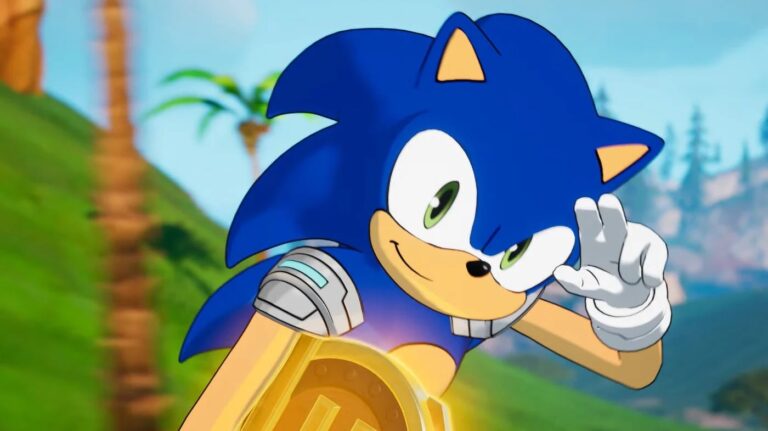
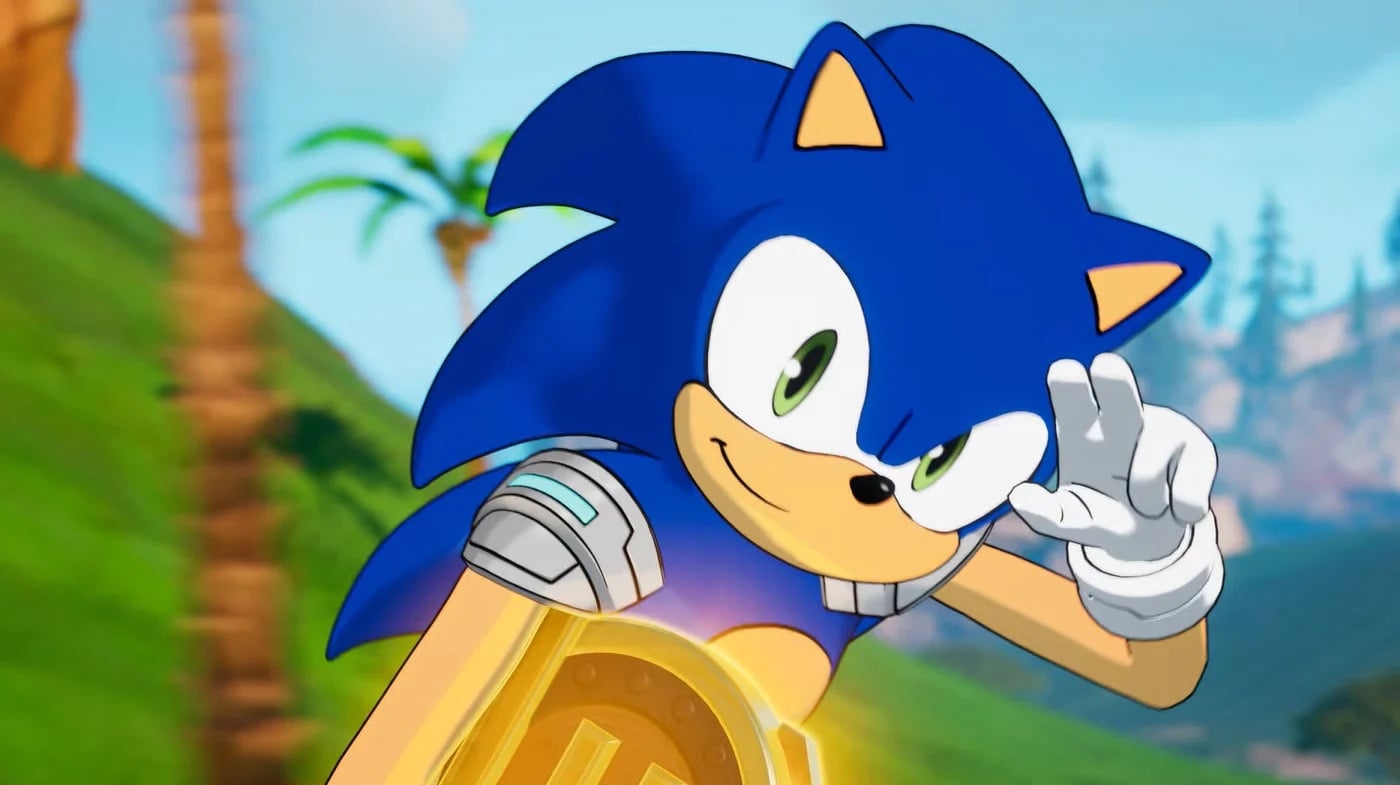
Sonic the Hedgehog, Sega’s blue mascot long defined by family-friendly gameplay and platforming action, now wields assault rifles in Fortnite. The crossover initially seems incongruous with Sonic’s traditional image, particularly given his rival Shadow’s more combat-oriented history. Yet Sega resolved this tension through clever narrative framing: the Sonic in Fortnite is not the canonical character but an android version, freeing both companies to explore the collaboration without compromising the original’s core identity and brand positioning.
A new interview with Japanese magazine Famitsu reveals how Sega president and COO Shuji Utsumi and Epic Games managing director Takayuki Kawasaki navigated the partnership. Their conversation sheds light on the creative negotiations that shaped the collaboration, the remarkably successful player reception, and what this crossover signals about the future of licensed characters operating within digital spaces and metaverse-like environments.
Designing Sonic for Battle Royale
Head proportions and visual translation
Retrofitting Sonic for Fortnite presented immediate technical challenges that extended beyond simple cosmetic concerns. Sonic’s oversized head, iconic and essential to his visual identity in traditional games, required careful adjustment for Fortnite’s distinct visual framework and the third-person perspective from which players view the character during gameplay. “We had a few problems with the proportions of his head to the rest of his body,” Utsumi said, highlighting how character design elements that work in one medium can create unintended effects in another.
The character redesign work went beyond surface-level aesthetics. It involved rethinking how Sonic’s distinctive silhouette and proportions would function and appear within a completely different visual language. This required iterative testing and refinement to ensure the character felt right within Fortnite’s visual ecosystem while remaining recognizable to players familiar with Sonic’s traditional appearance.
Conceptual alignment and thematic coherence
Sega’s internal deliberation ran considerably deeper than proportions alone. The studio grappled with a fundamental question: whether simply inserting Sonic into Fortnite without substantive justification would undermine both the character and the collaboration. “We felt that the concept was great, but we had a lot of internal debate about whether it was right to just put Sonic into Fortnite as-is,” Utsumi explained. The team wanted to ensure genuine alignment between Sonic’s established world and Fortnite’s universe, avoiding a crossover that felt like pure commercial transaction disconnected from narrative logic or thematic coherence.
Managing this balance required satisfying multiple audiences simultaneously. Utsumi acknowledged the challenge directly: “We didn’t want to let down Fortnite fans, but we also wanted to meet the expectations of Sonic fans too.” The tension between these two audiences drove creative decisions throughout the collaboration process.
Building narrative foundation
Rather than treating the crossover as a purely commercial transaction, Sega and Epic developed a comprehensive explanation for why Sonic exists in this specific form within Fortnite’s world. “We prepared our own backstory about why he exists in this world in this form, and crafted a story that was convincing and illustrated that as a comic,” Utsumi said. This commitment to narrative coherence and visual storytelling extended beyond the in-game character itself, demonstrating a deliberate approach to integration.
Utsumi noted that the work extended beyond technical execution: “It also wasn’t just about making his in-game appearance as strong as possible. There was a lot of work to do outside the game.” This comprehensive approach shaped not just this partnership but served as a blueprint for how both companies would approach future collaborations between major intellectual properties.
Player Engagement Exceeds Expectations
The collaboration delivered measurable success across multiple engagement metrics. Fortnite’s overall player numbers during this gaming-themed season surpassed those from the same period a year prior, suggesting Sonic’s arrival drew both returning players and new audiences to the platform. The specific engagement numbers underscore the character’s appeal to the player base.
Within the first weekend following Sonic’s launch, players worldwide collected more than 1.5 billion rings—the series’ most iconic collectible. In that same opening weekend, players defeated Dr. Eggman, Sonic’s primary antagonist throughout the franchise, over 14 million times. The volume and intensity of engagement surprised even those who orchestrated the collaboration. “I guess, since they’re fighting a villain like Eggman, players don’t hold back when it comes to bullying him,” Kawasaki said, noting how the presence of a recognizable antagonist fueled player enthusiasm. Utsumi was visibly impressed by the raw engagement numbers, validating Sega’s initial decision to participate in the crossover despite internal concerns.
Mutual Strategic Benefits
Both companies gained distinct and substantial advantages from the arrangement. Epic secured renewed player excitement and engagement through integrating a recognizable and deeply beloved character into its platform. For Kawasaki and Sweeney’s vision of the metaverse, the collaboration represented another successful implementation of bringing disparate intellectual properties together within a single unified space.
For Sega, Sonic’s prominent presence within Fortnite reached audiences far extending beyond traditional gaming demographics. The exposure introduced younger players, casual gamers, and non-traditional gaming audiences to the character who might never otherwise explore Sonic’s single-player games, classic titles, or broader franchise. According to Utsumi and Kawasaki, the collaboration successfully moved in both directions: sending Sonic players toward Fortnite while simultaneously generating curiosity about Sonic’s established universe among Fortnite’s massive audience base.
Tim Sweeney’s Metaverse Vision
Kawasaki positioned the Sonic crossover within Epic Games President Tim Sweeney’s long-standing strategic vision. More than ten years before Fortnite even launched, Sweeney articulated what would eventually become known as the metaverse concept. His core argument challenged the digital fragmentation that had become industry standard, essentially locked in by legal and technical architecture.
Kawasaki illustrated Sweeney’s philosophy through a concrete and memorable anecdote. Children playing with physical action figures experience no separation or restriction: a kid with a Luke Skywalker figure plays freely alongside another child’s Batman figure, regardless of their different publishers or distinct legal ownership. Yet in digital spaces, technical barriers and legal restrictions traditionally fragment this kind of seamless play across properties. Sweeney envisioned fundamentally eliminating those barriers to create digital spaces where IP coexisted naturally.
“Everyone’s reaction at the time was that they understood, but it was basically impossible to implement,” Kawasaki recalled, reflecting on skepticism the vision initially faced. The gap between Sweeney’s vision and actual execution seemed insurmountable until crossovers began materializing within Fortnite. “Then, before I knew it, Sonic was wearing a Mega Buster, and Goku was firing the kamehameha,” Kawasaki said, referencing major gaming franchises and characters now integrated into the platform. From Sonic to other major properties, Sweeney’s vision was gradually becoming operational reality.
How Sonic Taught Sega About IP Strategy
The crossover became a valuable learning experience for Sega as IP holders increasingly face significant decisions about participating in larger digital ecosystems. Utsumi described wrestling with fundamental strategic questions that will likely shape Sega’s decisions for years: how to maintain Sonic’s distinct identity while functioning effectively within a metaverse-like environment, how to preserve operational independence while actively collaborating with partners, and what specific reasoning could justify a character’s inclusion in a given space.
“We had quite a few concerns on how we should position ourselves as a distinct and independent IP, and how we should adapt to fit inside a metaverse-like world,” Utsumi said, reflecting on internal discussions. These extended conversations with Epic Games underscored a principle Sega will carry forward into future decisions: answering the fundamental question of why a character belongs in a given space matters as much as executing the technical implementation. The experience has already reshaped how Sega approaches future collaborations, licensing decisions, and partnerships with other major platforms.
Source: Kotaku
Frequently Asked Questions
How many times did players defeat Dr. Eggman in Fortnite?
Players worldwide defeated Dr. Eggman over 14 million times in just the first weekend following Sonic's launch in the game.
Why did Sega justify giving Sonic a gun in Fortnite?
Sega framed the character as an android version of Sonic rather than the canonical character, which allowed the collaboration while protecting the original's family-friendly brand image.
What was Sega's main concern about the Fortnite crossover?
Sega worried about maintaining genuine alignment between Sonic's established world and Fortnite, and ensuring they did not disappoint either Fortnite's existing fanbase or longtime Sonic players.
