
Key takeaways
- Fans observed that Navi's voice in Japanese promotional trailers for the Ocarina of Time remake sounds like the original actress, Kaori Mizuhashi, though Nintendo has not confirmed the casting.
- The remake features substantially more voice acting than the 1998 original, explaining why different languages would have different voice actors based on linguistic fluency requirements.
- Japanese-language players may experience the original Navi voice from 1998, while English-language players will hear a new voice actress performing the role.
- Voice acting across multiple languages requires separate casts with native proficiency in each language to ensure natural-sounding performances.
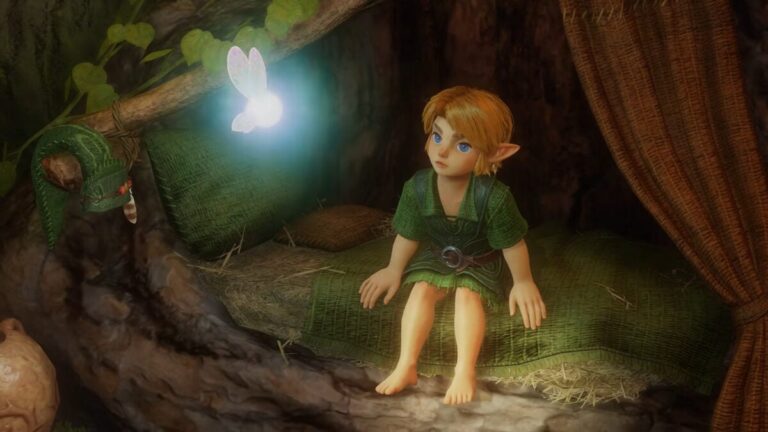
The Legend of Zelda: Ocarina of Time is receiving a remake for Nintendo Switch 2, and recent speculation has focused on a single casting choice with meaningful nostalgic weight: whether the original voice actress for Navi will reprise the role for the Japanese version of the game.
Kotaku reported on observations by gaming fans who scrutinized Japanese promotional materials for the remake and concluded that the voice of Navi bore striking similarities to Kaori Mizuhashi, the actress who performed the character in the 1998 original. While Nintendo has not officially confirmed this casting, the fan observations sparked considerable discussion about the possibility of the original actress returning for Japanese-language audio.
The Fan Discovery
Members of the gaming community have analyzed audio from recent Japanese trailers for the Ocarina of Time remake. According to Kotaku’s coverage, fans identified vocal characteristics that match those of Kaori Mizuhashi’s original 1998 performance.
Three decades separate these potential performances. Yet the recognizable qualities of the original voice—the tone, phrasing, and distinctive characteristics—reportedly remain audible to listeners who compared the audio directly. The similarities proved compelling enough that a substantial number of players independently reached similar conclusions about possible casting without prior coordination.
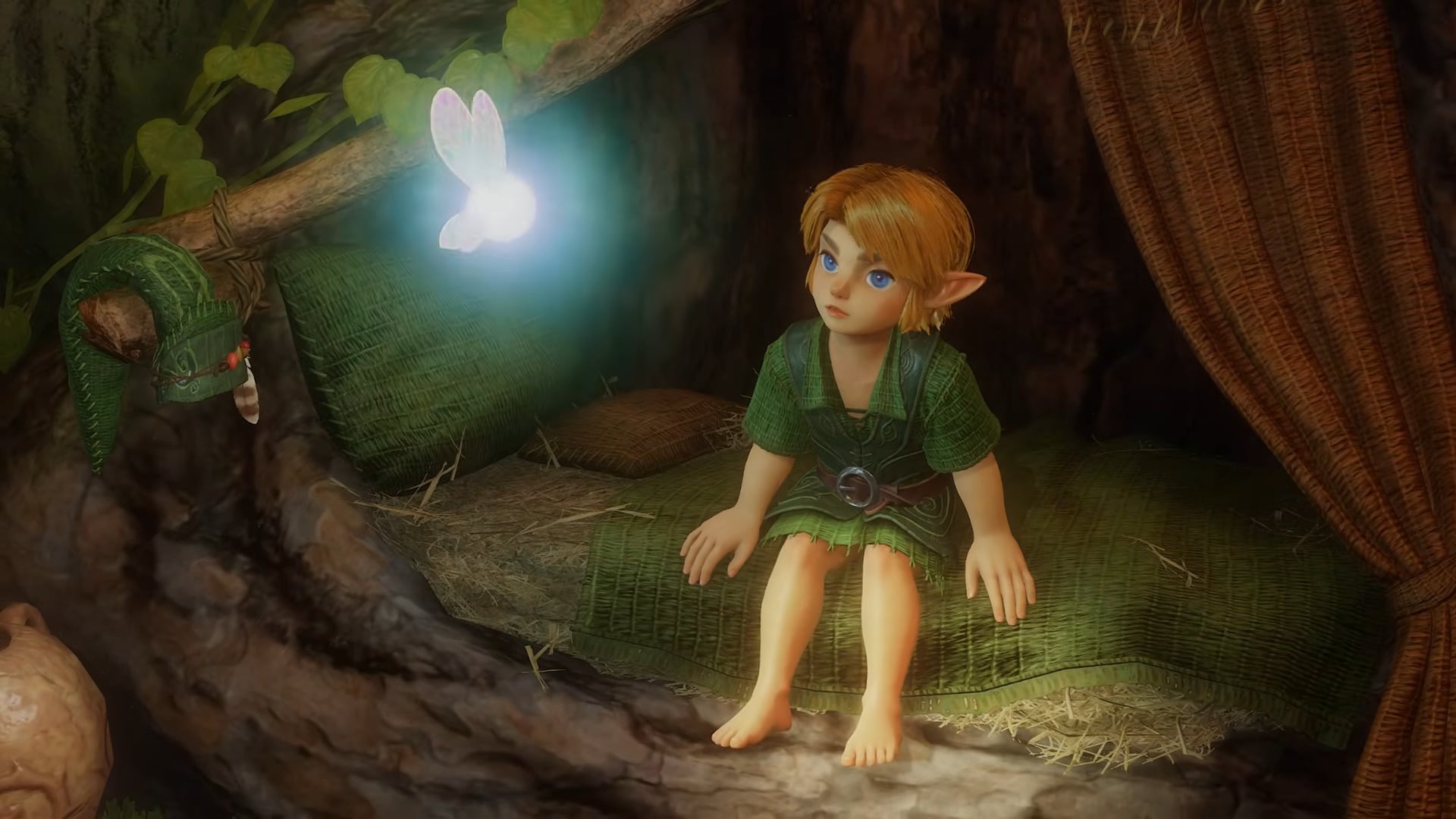
Who Is Kaori Mizuhashi
Kaori Mizuhashi has maintained consistent and prominent work in voice acting across both video games and anime production for multiple decades. Her recent projects demonstrate her continued relevance in the entertainment industry.
She provided the voice for Eirika in Fire Emblem Engage, a major Nintendo title released in 2023. Beyond that, she supplies voices for multiple installations of Puella Magi Madoka Magica, one of anime’s most influential franchises, with work spanning the anime series, theatrical films, and video game adaptations. Her sustained presence across these high-profile projects confirms her continued availability and professional standing.
Voice actors working on established franchises often express genuine interest in revisiting roles that defined their early careers. The opportunity to reprise such an iconic character in a high-profile remake would represent a meaningful professional engagement, particularly given the scale of production involved.
Voice Acting Evolution From 1998 to Now
The Original’s Minimal Audio Approach
The original Ocarina of Time, released in 1998, featured remarkably minimal voice acting by contemporary standards. Navi communicated with players through two recognizable sounds: “Hey!” and “Listen!” These were delivered as simple audio effects rather than extended vocal performance or dialogue.
This approach was typical of its era. The Nintendo 64 operated under technical and artistic constraints that limited extensive voice acting in full-length games. Navi’s iconic audio cues served the narrative purpose without requiring extensive recording sessions or localization workflows.
The Remake’s Expanded Production
The Ocarina of Time remake represents a dramatic shift in production approach. According to Kotaku, the game now includes substantially more voice acting throughout the entire experience. Nearly every major character and significant narrative moment receives vocal performance.
This expansion represents one of the most substantial departures from the 1998 original in terms of audio production. The remake’s voice acting scope far exceeds what the original game required, creating entirely new production and localization challenges that did not exist in 1998.
Production Realities of Multilingual Voice Acting
The English and Japanese Divide
The English version of the Ocarina of Time remake will feature a new voice actress as Navi. According to Kotaku’s reporting, this performer delivers strong work in the role, and the outlet explicitly noted that the English actor is doing an incredible job with the character.
However, casting a different actress for English dialogue reflects practical production necessity rather than any talent shortage. Voice acting in a foreign language demands fluency comparable to native-speaker proficiency. Most English-speaking performers lack the linguistic depth necessary to naturally deliver extensive dialogue in Japanese. The reverse principle applies to Japanese voice actors recording primarily English-language material.
Why Language Fluency Drives Casting
By retaining Mizuhashi for Japanese dialogue and engaging separate talent for English, Nintendo maintains audio quality across both versions. Each actress can focus on material in her native language or language of professional fluency. This approach produces natural-sounding performances rather than strained vocal work delivered across unfamiliar linguistic territory.
The production complexity of simultaneous multilingual recording informed these casting decisions. Keeping the original Japanese voice actress for Japanese-language audio while hiring new talent for English represents practical resource allocation and quality maintenance.
What This Means For Players
The distinction between English and Japanese audio versions carries significant weight for players selecting between them. Japanese-language players would potentially experience Navi exactly as audiences did in 1998, maintaining continuity spanning nearly three decades. English-language players will encounter a fresh vocal interpretation of this iconic character.
The Kotaku writer acknowledged considering a switch to Japanese audio specifically to hear the original performance. This sentiment likely resonates with players who formed formative memories around the 1998 release and its influential voice work.
The Ocarina of Time remake will launch on Nintendo Switch 2 with both audio options available at release. Players will select based on personal preference, whether prioritizing connection to the original performances or engaging with contemporary localization work.
Awaiting Official Confirmation
Nintendo has not officially announced voice casting for either English or Japanese versions of the Ocarina of Time remake. Kotaku requested confirmation from Nintendo regarding Mizuhashi’s involvement and the identity of the English voice actress, but the company has not provided official statements in response to either question.
Fan observations constitute educated speculation based on audio comparison rather than confirmed fact. Until Nintendo provides official casting announcements, the possibility of Mizuhashi’s involvement remains unverified by the company itself.
Source: Kotaku
Frequently Asked Questions
Is Kaori Mizuhashi confirmed to voice Navi in the Ocarina of Time remake?
No. Nintendo has not officially confirmed any voice casting for the remake. Fan observations are based on audio similarities in Japanese trailers, but these remain unverified speculation.
How much more voice acting does the remake have compared to the 1998 original?
The remake features substantially expanded voice acting. In the original, Navi only said 'Hey!' and 'Listen!' as simple sound effects. The remake now includes full voice performance for nearly every character and narrative moment.
Why would English and Japanese versions have different voice actresses for Navi?
Casting different actresses for each language allows each performer to work in her native language or language of professional fluency, resulting in natural-sounding dialogue rather than strained performances across unfamiliar linguistic territory.
