
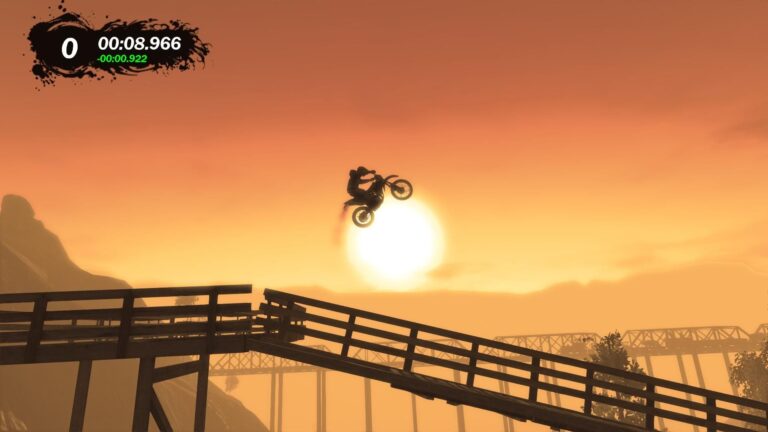
Key takeaways
- Ubisoft proposes closing RedLynx, the 25-year-old Finnish studio behind Trials, eliminating 52 positions after already halving the team in 2025.
- Ubisoft Singapore is being downsized by 70 staff despite Black Flag Resynced selling 3.5 million copies in two weeks, suggesting broader strategic shifts.
- The Trials franchise has not received a new mainline release in seven years, leaving its future uncertain if RedLynx closure proceeds.
Ubisoft has announced plans to close RedLynx, the Finnish studio it acquired in 2011 and the long-standing developer behind the Trials franchise. According to GI.biz, the decision would terminate 52 staff members at a studio now facing its second major workforce reduction in less than two years. Simultaneously, Ubisoft Singapore is being downsized with 70 positions affected, the two studios becoming the latest casualties in what Ubisoft describes as a global “restructuring” into so-called creative houses.
RedLynx’s Path to Closure
RedLynx was already devastated in 2025 when Ubisoft laid off more than half its workforce and reoriented the remaining team toward mobile game development exclusively. That reduction left 52 staff members, all of whom would be let go under the current proposal. According to VGC, Ubisoft’s reasoning centers on RedLynx having no current projects in active development and the studio being unsustainable even with resizing alone.
Seven Years and Counting
The Trials franchise has not received a new mainline entry for seven years. In that span, RedLynx’s output proved minimal: in 2020, the team helped Massive Entertainment port The Division 2 to Google Stadia, and in 2023 released Gwen’s Getaway, a free-to-play match-3 game that was shut down after a single year without reaching completion. Before that extended drought sat Trials Fusion, the last console release in the series that defined RedLynx’s reputation.
Finland’s Legal Requirements
Ubisoft’s careful use of the word “proposal” reflects a specific legal reality. Finland requires “change negotiations” or “co-operation negotiations” before employers can impose layoffs or major organizational changes, mandating consultation with employees before a decision is finalized. This means Ubisoft must formally enter negotiations with RedLynx staff before the closure can be concluded, a process that distinguishes this announcement from immediate terminations Ubisoft has executed elsewhere.
Questions About Project Secrecy
The closure’s stated rationale invites skepticism. Ubisoft claimed approximately a year ago that RedLynx had two unannounced projects in development. The 52-person team has been doing something during its time focused exclusively on mobile games, yet specifics remain undisclosed. A mobile Trials game would align naturally with the platform’s touchscreen controls and visual format; the 2014 iOS and Android release Trials Frontier disappointed commercially, but mobile hardware capabilities have advanced considerably since then.
The Trials Franchise in Limbo
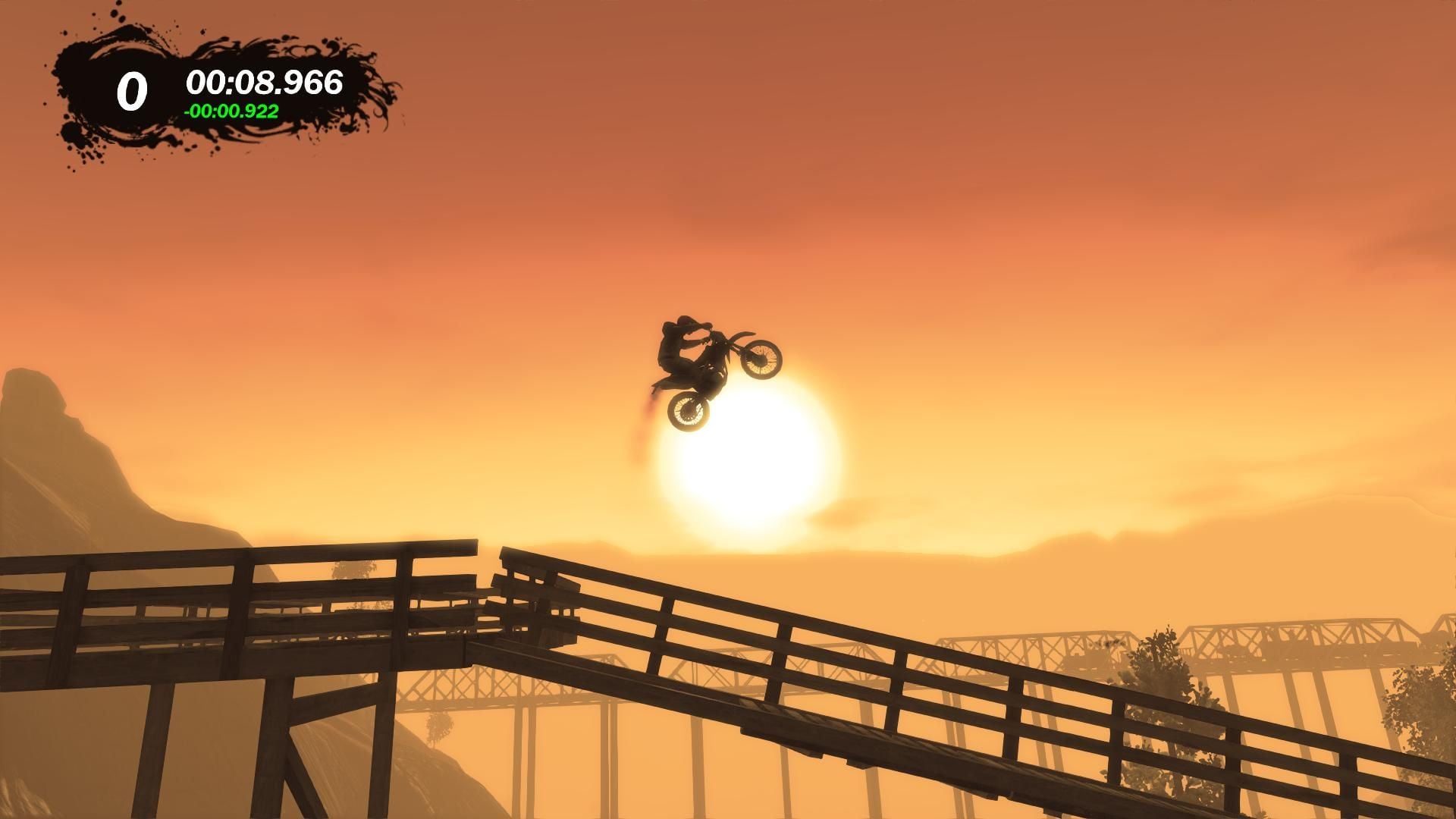
Seven years without a new Trials release has already tested fan patience. The planned closure of RedLynx raises a more existential question: is the franchise finished entirely? Without an active studio backing the series and no announced project to inherit the property, the 25-year-old franchise faces genuine uncertainty about its future. Ubisoft has not commented on whether the IP will continue under another studio’s stewardship, remain dormant, or be shelved altogether.
Singapore’s Reduction After Skull and Bones
Ubisoft Singapore faces a different context with its 70-position reduction. The studio was originally conceived as an international support unit, lending resources to major AAA projects directed elsewhere. It eventually assumed full creative leadership of Skull and Bones, spending 11 years elaborating Assassin’s Creed’s naval combat into a standalone title that released to negative reviews and poor sales, representing a reported $200 million loss.
Black Flag Resynced’s Temporary Reprieve
Since Skull and Bones, Singapore led the remake Assassin’s Creed Black Flag Resynced, which sold more than 3.5 million copies in its first two weeks—a comparatively strong performance that might have offered the studio a path forward. Yet even this commercial success has proven insufficient to protect the team from downsizing, suggesting broader strategic shifts within Ubisoft override individual project performance.
From Support Role to Lead Studio
The progression from support unit to lead development house under unclear creative vision appears to have strained the Singapore operation. Ubisoft’s statement framing the 70 staff reductions as necessary to “align the studio with upcoming production needs” provides minimal detail about what those projects entail or whether Singapore maintains a leadership role.
Ubisoft’s Ongoing Restructuring Crisis
These closures and downsizings form part of a larger pattern Ubisoft describes as restructuring into creative houses. The piecemeal, extended nature of these announcements—spread across months with individual studios facing cuts at different times—has created a prolonged period of uncertainty affecting development teams worldwide.
Compounding Job Market Effects
For industry workers, the staggered layoffs mean uncertainty extending far beyond the studios announced for closure. RedLynx staff knew of previous 2025 cuts; now facing total elimination, they confront a hostile job market for game developers amid a year that has seen widespread studio closures and consolidation.
Investor Confidence Remaining Low
Ubisoft’s stock tells the story of sustained investor skepticism. The company’s share price stood at €84 in 2018. By March 2026, it had crashed to €3.84, representing a 95 percent collapse from its peak. The stock has stabilized around €5 since March but shows no signs of recovery. Years of strategic missteps, failed launches, and management decisions ranging from controversial to questionable have systematically eroded shareholder confidence that restructuring alone can reverse the trend.
The Franchise Casualties
RedLynx’s closure threatens to end one of gaming’s more distinctive series. Trials built a dedicated following through its blend of physics-based stunt motorcycle gameplay and increasingly elaborate level design. The series defined RedLynx’s entire corporate identity for decades. Its abandonment would represent not merely a business decision but the effective retirement of a franchise that, despite its niche status, maintained recognizable appeal across multiple console generations.
Whether either studio will emerge in new form, whether Singapore retains any independence, or whether Trials finds a second life under different creative stewardship remains unknown. Ubisoft has not provided timelines, project specifics, or clarity about the future of these teams’ intellectual properties. The company indicated it reached out to Ubisoft for additional details but received no response beyond the formal announcements.
Source: Kotaku
Frequently Asked Questions
Why is Ubisoft using the word 'proposal' for RedLynx's closure?
Finnish law requires employers to enter 'change negotiations' with employees before layoffs and major organizational changes are finalized. Ubisoft must formally consult with RedLynx staff before the closure can be concluded.
When was the last Trials game released?
The last mainline Trials release was seven years ago. Since then, RedLynx released only Gwen's Getaway in 2023, a free-to-play match-3 game that was shut down after one year.
Why is Singapore being downsized after Black Flag Resynced's success?
Ubisoft stated the reduction aligns the studio with upcoming production needs, but provided no details about those projects. Despite selling 3.5 million copies in two weeks, the commercial success proved insufficient to protect the team from downsizing.
