
Key takeaways
- Xbox CEO Asha Sharma plans to release a new handheld device by the 2027 holiday season as part of Project Helix.
- A senior Xbox executive threatened to cancel the project entirely unless Xbox secured control over the operating system design.
- The current Xbox Ally X's Windows-based OS creates performance drawbacks that make it less competitive than dedicated gaming handhelds like the Steam Deck.
- The conflict reveals persistent tension between Xbox's gaming priorities and Microsoft's broader ecosystem requirements.
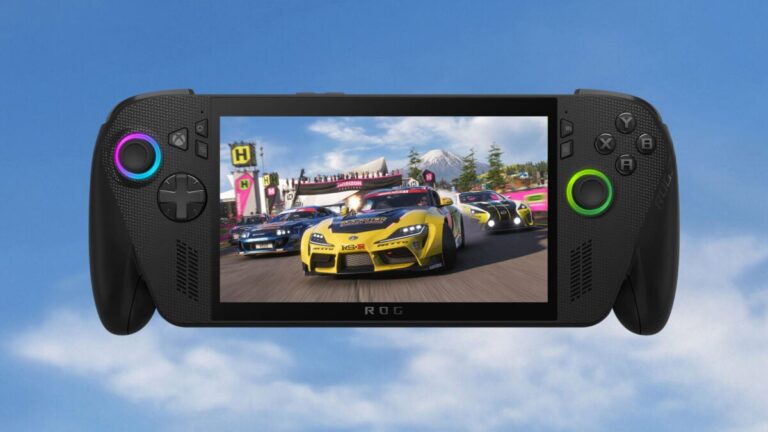
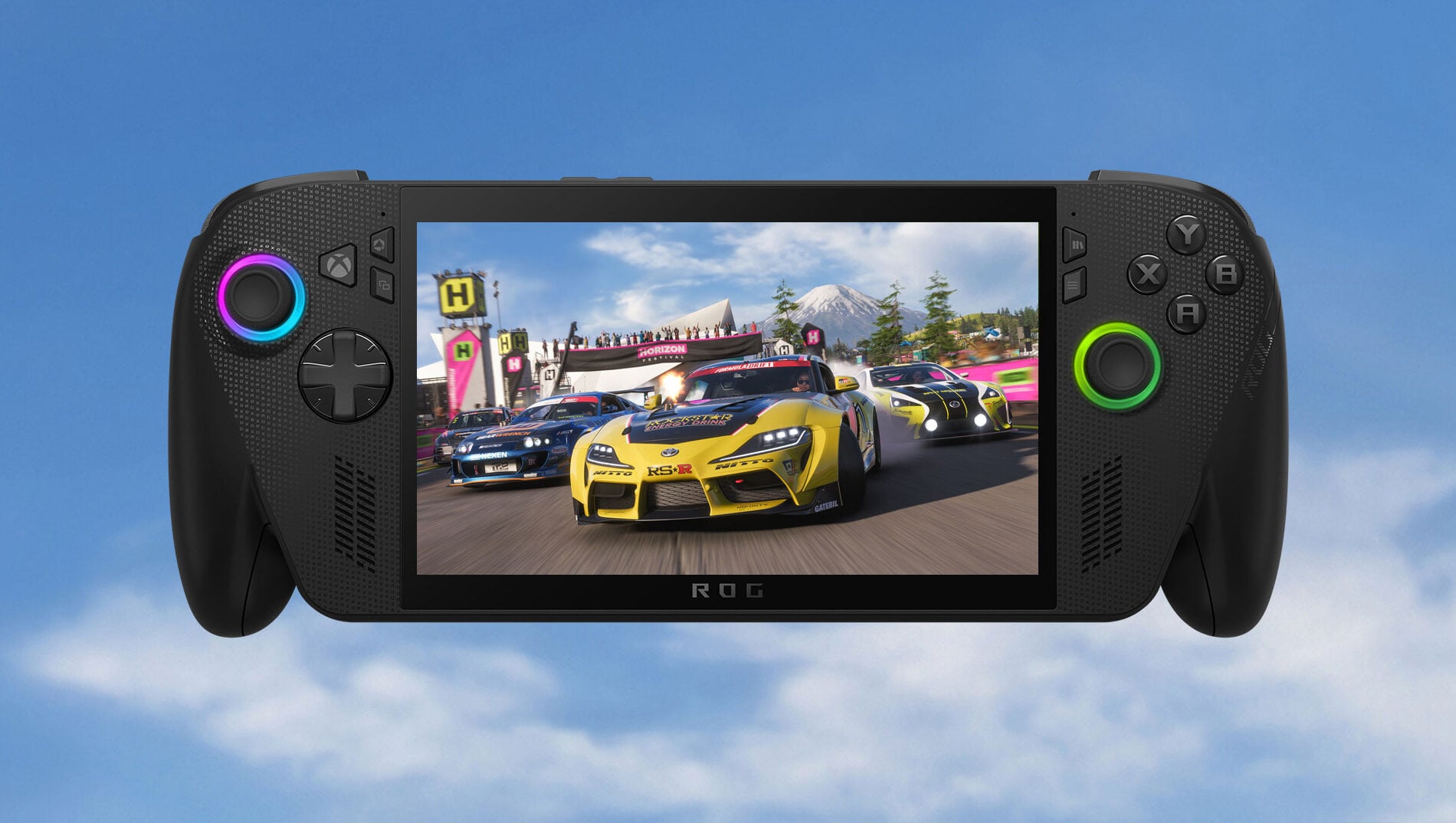
Xbox plans to introduce a new handheld gaming device by the 2027 holiday season, according to reporting from Fortune on Xbox CEO Asha Sharma. The device would serve as a successor to the current Xbox Ally X, which is manufactured by Asus in partnership with Microsoft. The handheld sits within the broader Project Helix initiative, Microsoft’s comprehensive vision for next-generation gaming hardware.
The Helix Roadmap and Device Pricing
Project Helix encompasses a family of devices with an ambitious timeline aimed at revitalizing Xbox’s hardware offerings. Beyond the planned 2027 handheld release, Xbox intends to launch the next-generation home console for the 2028 holiday season. The scope and exact composition of the Helix family remains partially unclear, though Fortune’s reporting suggested that certain Helix devices could carry retail prices as high as $1,800 without subsidies. Final specifications, exact pricing for the handheld tier, and the breadth of devices shipping under the Helix banner continue to be determined internally.
The Operating System Conflict
Beneath the hardware announcements lies a deeper organizational struggle that reveals how Xbox’s direction depends on navigating Microsoft’s internal politics. The tension centers on what operating system should power the handheld device. Asha Sharma’s Xbox division prioritizes software designed and optimized specifically for gaming performance and user experience. Microsoft’s Windows division, by contrast, has advocated for the handheld to adopt a modified version of Windows Home as its foundational OS, aligning with the broader Windows ecosystem strategy.
When the Conflict Nearly Killed the Project
The disagreement between the two teams escalated to a critical point. According to people briefed on the internal clash, a senior Xbox executive explicitly threatened to cancel the handheld project rather than compromise on the operating system. That willingness to risk the entire initiative ultimately shifted the balance of power. Xbox now exercises primary control over the operating system’s architecture and development, though Sharma emphasized that the two divisions maintain ongoing collaboration. The compromise preserves the project while giving Xbox significant authority over its technical direction.
Building Within Constraints
Sharma’s own comments about the project suggest a pragmatic approach to working inside a large corporation. When addressing the scope of what Helix will accomplish, she stated, “We can’t build Helix on our own.” This acknowledgment underscores that despite winning the OS battle, Xbox cannot operate independently from the broader Microsoft infrastructure. The company depends on collaboration with Windows, cloud services, and other divisions to realize its hardware vision.
Learning From Ally X’s OS Struggles
The stakes of the operating system decision become apparent by examining the existing Xbox Ally X and its limitations. The current handheld runs a custom user interface layer positioned on top of Windows, a technical compromise that has proven problematic in practice. The result is not slick or seamless. Users encounter an experience that falls short of what purpose-built gaming handhelds like the Steam Deck deliver. The Ally X performs worse due to Windows overhead, with measurable impacts on frame rates and gaming stability. These performance penalties exist despite the Ally X offering genuine advantages in other areas, such as access to Game Pass and broader Windows software. The fact that the Windows-based approach remains a drawback rather than an advantage shaped Xbox’s determination to pursue a gaming-optimized path for the next generation.
Xbox’s Recurring Problem Within Microsoft
The internal conflict over Helix’s operating system exemplifies a persistent challenge for Xbox: balancing its gaming mission against the expectations and requirements of other Microsoft divisions. Windows integration creates organizational dependencies that sometimes conflict with what delivers the best handheld experience for players. This tension has surfaced repeatedly as Xbox tries to position itself as a gaming-first company while remaining embedded within a software conglomerate with competing priorities. The decision to give Xbox control over the handheld’s OS represents a significant win for the division’s vision, but requiring such a dramatic internal confrontation, including threats to cancel the entire project, illustrates how much friction persists between Xbox’s ambitions and Microsoft’s broader ecosystem strategy.
Looking Ahead
The years leading to 2027 will determine whether the compromises built into Project Helix, and the victories Xbox secured on operating system design, enable the company to build a handheld that can genuinely compete in the portable gaming market. The handheld launch deadline is concrete, assuming the project maintains its current trajectory and internal stakeholders continue supporting the gaming-optimized direction that prevailed in recent negotiations.
Source: Kotaku
Frequently Asked Questions
When does Xbox plan to release its new handheld?
Xbox CEO Asha Sharma plans to launch the new handheld by the 2027 holiday season, with the next-generation home console following in 2028 under Project Helix.
What was the operating system conflict between Xbox and Windows teams about?
Xbox wanted an operating system optimized specifically for gaming, while Microsoft's Windows division pushed for a version of Windows Home as the foundation. The conflict escalated until Xbox secured primary control over the OS direction.
Why does Windows pose a problem for the current Xbox Ally X?
According to Fortune's reporting on the device, the Ally X runs a user interface layer on top of Windows that creates performance drawbacks and a less streamlined experience compared to dedicated gaming handhelds like the Steam Deck.
