
Key takeaways
- Origame Digital blocked Penguin Colony's sale in Israel as a stated act of solidarity with Palestine and the BDS movement.
- The publisher publicly affirmed the developer's right to make this distribution decision, signaling support for the political choice over revenue maximization.
- The game incorporates a land acknowledgement at its opening and deconstructs colonial themes present in Lovecraftian horror fiction.
- This constitutes gaming's most explicit integration of BDS-aligned political action within a game's own distribution channels and community spaces.
Penguin Colony, developed by Origame Digital, launched with a distribution decision that reflects more than platform strategy: the game is unavailable for purchase in Israel. This regional restriction was not driven by licensing complications or technical barriers but emerged from a deliberate political choice aligned with the BDS (Boycott, Divestment, Sanctions) movement and framed as solidarity with Palestine.
When a player located in Israel raised the question on Penguin Colony’s Steam community forum, a publisher representative responded directly to the community. The response acknowledged the industry norm—that developers typically seek the widest possible audience—before explaining the specific reasoning: “In this case, the developer asked us to block sale in Israel. In the absence of more organized sanctions, this act is intended to demonstrate solidarity with Palestine. We fully support their decision.”
Rather than releasing this explanation through a separate press statement, the publisher chose to answer within the game’s community space itself, embedding the political positioning directly in the player base’s conversation.
A Statement at the Game’s Threshold
Origame Digital made a second choice that reinforced the first. The game opens with a land acknowledgement—a statement positioned at the exact entry point of the experience, not relegated to a menu or optional splash screen. By placing an unequivocal values statement before players engage with the game’s content, the developer ensured that this positioning became inseparable from the work itself.
The choice reflects a strategic understanding of how statements circulate and persist. Communications released outside games—through social media, interviews, or press releases—can be dismissed, overlooked, or eventually forgotten. Statements embedded within the product become part of the work and remain there for every player who launches it.
The Economics of Moral Consistency
The publisher’s statement included a principle worth isolating: developers retain the right to control where their games are sold, even when exercising that right reduces revenue. While the global video game industry generally operates under the premise that maximizing market reach serves everyone’s interests, Origame Digital tested this assumption.
Blocking sales in any region carries real financial implications. Israel represents an active gaming market with significant purchasing capacity. That the developer chose to forgo access to that market in service of a political position suggests a deliberate hierarchy of values, one in which alignment with stated principles outweighs revenue maximization.
The Game’s Thematic Project
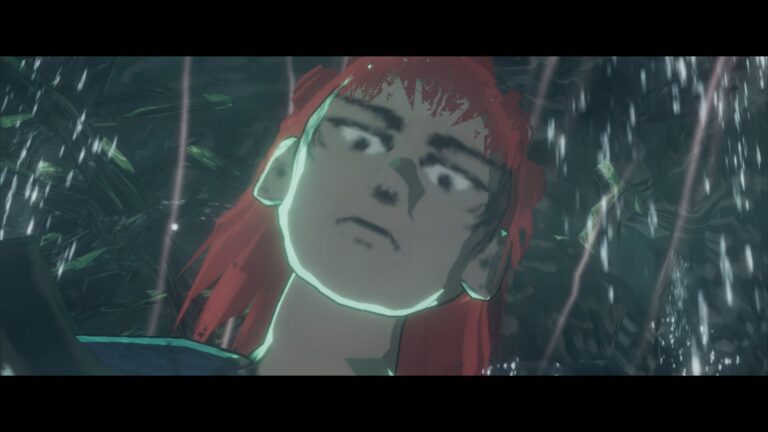
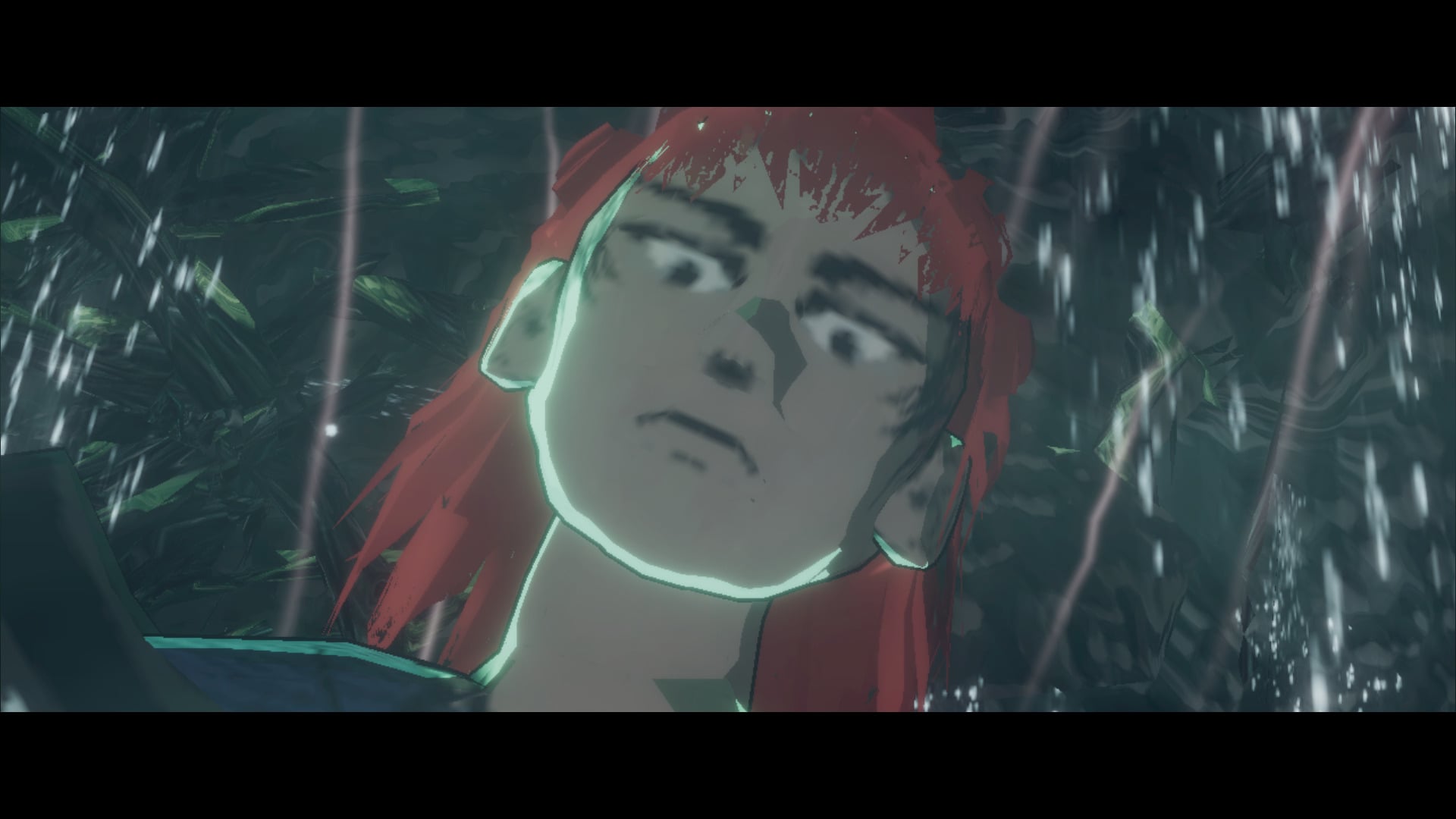
Penguin Colony borrows from two distinct sources: H.P. Lovecraft’s short novel “At the Mountains of Madness” and the nature documentary “March of the Penguins.” The combination signals the game’s intention to deconstruct, rather than celebrate, Lovecraftian horror.
Deconstructing Colonial Frameworks
Lovecraft’s influence on horror fiction is foundational and enduring, yet scholars have long identified the deeply colonial assumptions embedded in his work and worldview. Penguin Colony reportedly takes these colonial overtones as its explicit target. The game achieves this by fundamentally altering the player’s position within the experience.
Rather than adopting the anthropological perspective through which much colonial literature operates—positioning the player as an external observer examining other cultures or beings—the game removes the player from that vantage point entirely. This repositioning transforms how colonial frameworks are reproduced or interrogated within the narrative itself.
The Context of Industry Silence
Previous Attempts at Direct Advocacy
Penguin Colony’s political stance becomes more significant when placed against recent history of the gaming industry’s response to geopolitical crises.
Members of Future Class, a developer collective, previously attempted to catalyze industry-wide statements on major ethical crises. They sent an open letter to Geoff Keighley and The Game Awards, requesting that Keighley address genocide during the ceremony in the same manner he had addressed the war in Ukraine. The letter did not receive a response from The Game Awards or from Keighley.
The developers behind Big Walk recently disclosed that their game’s unavailability on Xbox related to BDS-aligned considerations. However, their public articulation of this reasoning was less direct and less visible than Origame Digital’s approach.
Why This Statement Stands Out
According to Kotaku’s examination of the situation, Penguin Colony’s action represents “the most direct statement I’ve seen on the topic within a game.” The distinction carries weight: a statement made about a game differs from a statement made within a game.
When a developer embeds political positioning at the threshold of their work—makes it part of the product’s entry point rather than a separate communication—the statement becomes inseparable from the creative work itself. It is no longer a peripheral declaration but a structural element of the experience.
Penguin Colony’s model also challenges a widely held assumption within the gaming industry: that the appropriate response to geopolitical conflicts is either neutral silence or private charitable giving. The game suggests an alternative—that a developer’s distribution decisions can themselves become a form of speech, and that controlling where a game is available can be as meaningful as controlling what the game contains.
Source: Kotaku
Frequently Asked Questions
What was the developer's official statement about the Israel sales ban?
Origame Digital did not issue a separate statement. The publisher responded in Penguin Colony's Steam forum, saying the developer requested the sales block "in the absence of more organized sanctions, this act is intended to demonstrate solidarity with Palestine."
Will Penguin Colony be restricted in other regions?
The available information indicates the sales restriction applies to Israel specifically. The source does not mention other regional limitations.
How does Penguin Colony specifically deconstruct Lovecraftian themes?
The game removes the player from the anthropological perspective that characterizes much colonial literature. Rather than positioning the player as an external observer examining other beings, as Lovecraft's work does, Penguin Colony fundamentally repositions the player's role within that framework.
