

Key takeaways
- Pokémon TCG Pocket's booster pack release cycle is slowing from four weeks to six weeks, giving players more time to complete collections.
- Immersive Cards will now have acquisition paths beyond randomness, including mission-based rewards supplementing the existing 1,500 pack point purchase option.
- Community Decks features and trading improvements showing wishlist information address player friction points that existed since launch.
- App performance issues on Android and iOS remain unaddressed despite a three-gigabyte July update.
Pokémon TCG Pocket enters its third year with a substantial update focused on collection pacing and accessibility. As the DeNA-developed mobile game approaches two years since launch, the developer has announced changes addressing what players have identified as the title’s most frustrating design: an aggressive release schedule that makes completing card collections feel genuinely difficult rather than challenging.
Release Cadence Overhaul Signals Shifting Philosophy
The most significant announcement involves changing the booster pack release cycle from approximately four-week intervals to six-week schedules beginning with the C series. DeNA’s official statement acknowledged the feedback: “We have received feedback that the large number of cards being released in each pack up to B series has made collecting difficult. In the new series, we will be changing the booster pack release cycle from the approximately four-week cycle to a cycle of roughly six weeks, with the hope that it will make it possible for even more players to enjoy building collections at their own pace.”
This represents a philosophical shift from the game’s launch approach, which prioritized rapid content delivery and meta rotation. With two new card packs arriving monthly, each containing full-art cards at varying rarities and abilities that reshape competitive play, staying current required sustained daily engagement and significant spending. The pace created accumulated frustration, particularly as players who missed previous sets found them replaced in the pool before completion.
The extended release window should theoretically allow players to pursue collections at their own speed without feeling they’re constantly falling behind. However, six-week cycles still mean roughly two sets per quarter, maintaining a substantial content velocity compared to traditional card games.
Immersive Cards Get Multiple Acquisition Paths
The Pull Rate Problem
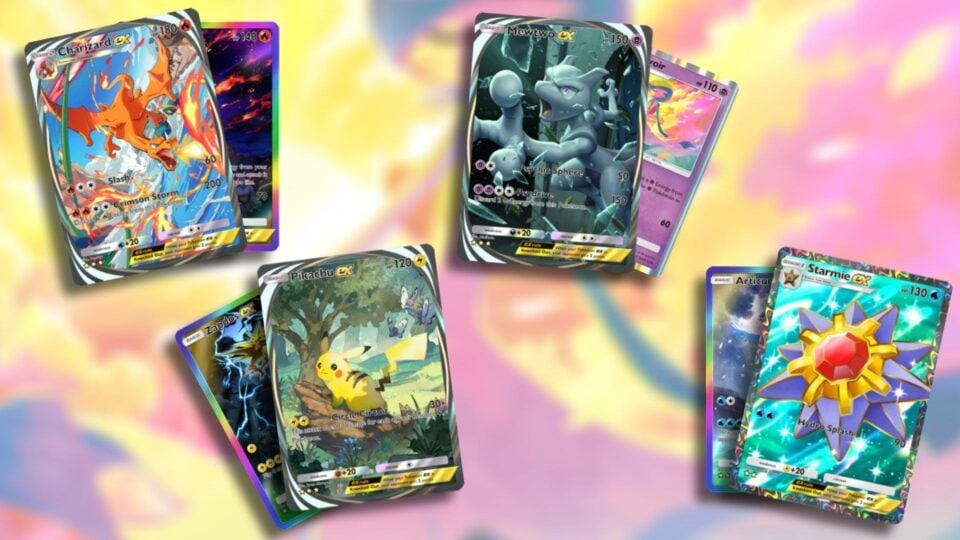
Immersive Cards—special animated cards that play out elaborate animations within the game frame—remain central to Pokémon TCG Pocket’s appeal and simultaneously serve as the game’s primary monetization frustration point. These cards carry approximately one percent pull rates, meaning they remain extraordinarily rare despite their significance to collection completion.
With only two free packs dispensed daily, the 30-day release cycles meant many players never acquired cards from previous sets before new ones arrived. According to Kotaku’s journalist who played the game nearly daily for two years, collecting all Immersive Cards from the A series proved achievable, but numerous cards from the B series remained unobtained despite consistent play.
Current Shop Method Limitations
The current shop method requires 1,500 pack points per specific card—achievable through opening roughly 300 packs from that particular set. These points don’t transfer between sets, meaning duplicates and excess currency simply accumulate without providing paths toward other cards. DeNA has resisted requests to allow point sharing despite frequent player feedback.
Mission-Based Rewards as Alternative
New missions will offer Immersive Cards as rewards through “completing collections,” providing a second acquisition method beyond chance. This won’t fully solve accessibility but creates alternatives to pure luck and spending.
Deck-Building Gets Community-Driven Guidance
The deck construction interface receives meaningful evolution through Community Decks, which will display decks proving successful in the current competitive meta without requiring external research on Reddit or specialized websites. This removes crucial friction from meta adaptation, where previously players either constructed original decks or selected from limited rental options.
Rental decks will transition from 10-use limits to unlimited uses, with improved availability when new sets launch. This particularly benefits newer players attempting to experiment with meta-relevant strategies before investing in the rare cards required for competitive building.
Building the meta layer into the game itself represents a quality-of-life improvement that should narrow the gap between casual collectors and competitive players—people can test proven strategies without external resources or massive resource investment.
Trading System Addresses Fundamental Information Gaps
Pokémon TCG Pocket’s trading system has operated with surprisingly restrictive features preventing even basic visibility into what cards trading partners actually need. The game currently neither displays missing cards from a friend’s collection nor shows complete wishlists, forcing trades to occur largely through trial and error.
This forces attempted trades to often fail, as players offer cards their recipients already possess in quantity. The update will finally remedy this by displaying wishlist information and collection gaps, enabling actual coordination instead of guesswork trading.
This quality-of-life improvement costs nothing to implement yet remains absent from most mobile games, making its inclusion feel overdue rather than innovative.
Special Packs and Evolving Promotional Cards
The C series introduces Special Packs operating on distinct mechanics using “special pack stamina” that recovers once weekly, separating them from regular booster cycles. The First Partners Special Pack will feature all 27 Pokémon starter species—a focused thematic collection many collectors specifically want.
Promotional cards are expanding in rarity, with 1-star full-art promo cards arriving as mission rewards for the first time. Previously, promotional cards appeared only at standard rarity, meaning collectors pursuing complete sets could skip them in most cases.
Performance Deterioration Remains Unaddressed
One glaring omission from the update involves addressing the application’s performance issues. The game exhibits significant sluggishness on both Android and iOS, with basic navigation like changing tabs causing noticeable hangs and stutters. A major update in July weighing roughly 3 gigabytes reportedly worsened these problems rather than resolving them. Two years after launch, neither The Pokémon Company nor DeNA have successfully optimized the application.
According to Kotaku’s tracking, the game has lost approximately half its player base since launch, with performance failures receiving substantial blame alongside other unaddressed issues. A 2024 assessment identified 10 specific improvements needed; none have been implemented in this 2026 update.
The collection of announced features addresses legitimate friction points in player experience, but the refusal to tackle basic performance optimization suggests either resource constraints or misaligned priorities within development.
Source: Kotaku
Frequently Asked Questions
How are Immersive Card pull rates changing?
Pull rates remain around one percent, but DeNA is adding mission-based rewards for 'completing collections' as a secondary acquisition method alongside the existing 1,500 pack points shop option.
What is changing about rental decks?
Rental decks are transitioning from 10-use limits to unlimited uses and will be more readily available when new sets launch.
Will performance issues on mobile be fixed?
No. The update does not include performance improvements despite longstanding sluggishness on Android and iOS that reportedly worsened after a three-gigabyte update in July.
