
Key takeaways
- Rep. Ritchie Torres introduced the Power To The Players Act, legislation that would guarantee consumers the right to own, play, and transfer digital games they purchase.
- The proposal addresses a fundamental gap in consumer rights: players can currently lose access to digital games at any time when publishers remove them, without compensation.
- Implementation faces technical challenges, particularly around online multiplayer games and how to facilitate digital game resales through systems like blockchain.
- Current industry practices treat digital purchases as revocable licenses rather than ownership, a departure from how game ownership functioned for decades.
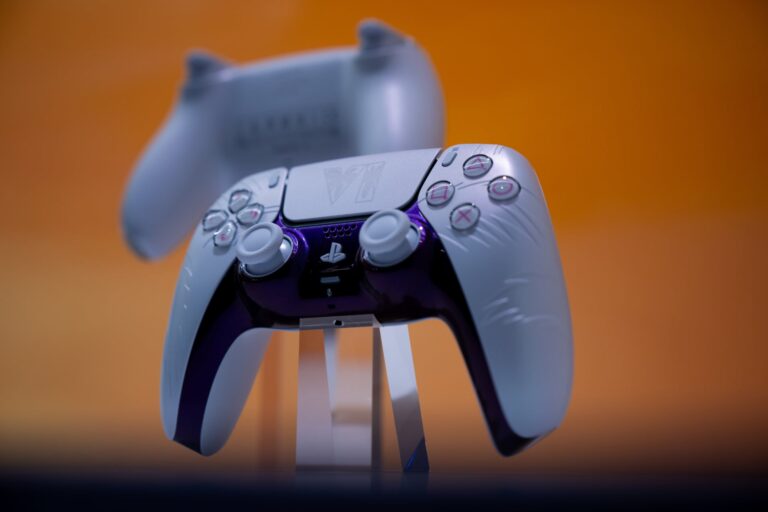
The contradiction at the heart of modern gaming is becoming impossible to ignore. Players invest hundreds of dollars into digital game libraries, spending months or years building collections that feel like possessions, yet they legally own nothing beyond a license that evaporates the moment a publisher decides to revoke it. Sony’s recent announcement that PlayStation 5 would discontinue physical disc support exemplifies the industry’s march toward a future where players have even less control over their purchases.
A Gap in Digital Rights
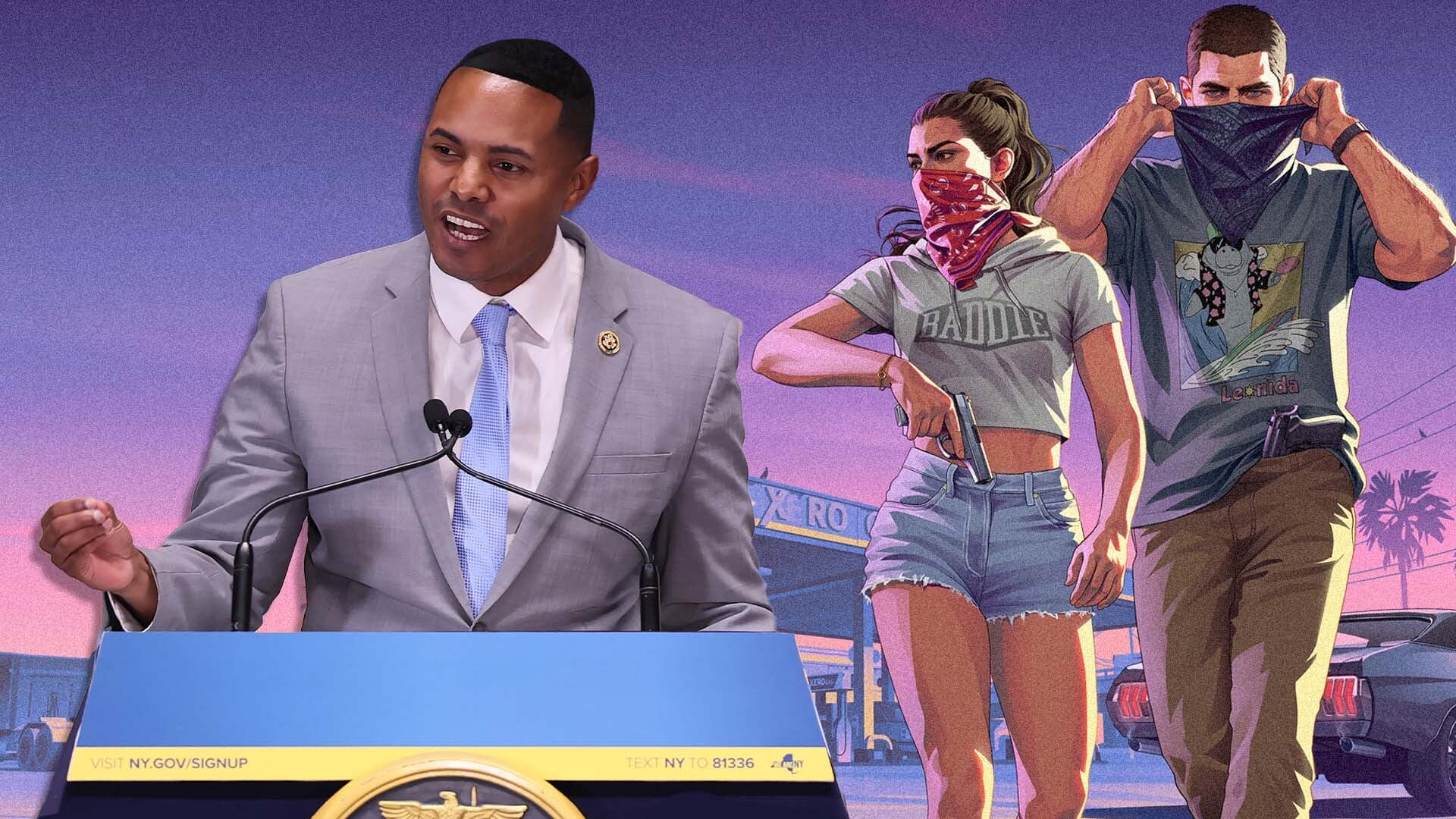
Kotaku reported this week on a new effort to close that gap. Representative Ritchie Torres announced plans to introduce the Power To The Players Act in Congress, legislation designed to establish federal protections for digital game ownership. The proposal targets the Federal Trade Commission with a straightforward mandate: guarantee players three fundamental rights.
Torres outlined the core principle in a statement to Kotaku: “Consumers must have the right to own, the right to play, and the right to transfer the games they buy. A game that can be taken away the moment a company pulls the plug is not a purchase. It is a rental disguised as a sale. Families in the Bronx and across the country save up to buy these games, and they deserve better than a license that can vanish at any time. The Power To The Players Act ensures consumers own what they buy and can keep playing long after a company moves on.”
The message cuts to the economic reality that most players understand but remain powerless to change. A family buys a digital game at full price, expecting permanence, only to discover years later that the product no longer exists because the company removed it from storefronts or shut down servers. Legislation would treat such transactions as actual purchases with enforceable ownership rights, not provisional access agreements.
What the Legislation Would Require
Three Core Rights for Players
Torres framed the act as a restoration of what game ownership once meant. For most of gaming history, when you bought a game on cartridge, disc, or ROM, you owned it. You could play it indefinitely, lend it to a friend, or trade it for store credit. Digital distribution upended these norms without replacing them with equivalent protections.
The right to own means developers and publishers cannot permanently revoke or destroy a game a player has purchased. The right to play ensures that even after a company stops supporting a game or shuts down its servers, players retain functional access. The right to transfer allows players to resell, gift, or pass along their digital purchases, creating a secondary market similar to physical game trading.
Challenging Industry Control
These rights directly contradict how major publishers currently operate their digital storefronts. Sony, Microsoft, and others maintain absolute control over digital catalogs, with no legal obligation to preserve games once they determine them unprofitable. The legislation would force a structural shift: instead of publishers controlling whether a game exists, that determination would fall partly to regulatory agencies tasked with protecting consumer interests.
Unresolved Technical and Legal Questions
Multiplayer and Server Architecture
Implementing such protections reveals thorny complications that Congress would need to address. One central question concerns online multiplayer-only titles. A game designed around active servers faces practical constraints that single-player or offline experiences do not. Would legislation require publishers to maintain servers indefinitely, at enormous operational cost? Would alternatives be mandated, such as transitioning to peer-to-peer hosting that lets third parties or communities run matches after official support ends? These questions remain largely unanswered in current proposals.
Digital Transfer and Resale
Facilitating the transfer or resale of digital games presents another challenge without obvious solutions. Some technologists have proposed blockchain systems that would create a verifiable database of unique digital copies, allowing resales on private marketplaces similar to how physical games trade hands at secondhand retailers or between collectors. However, such systems would require publishers to accept an erosion of the artificial scarcity they currently maintain by preventing digital resales. Kotaku noted that Sony would probably prefer to maintain physical disc options rather than grant players this level of control over its digital ecosystem.
Microsoft offers a hint at what flexibility might look like. According to Kotaku, Xbox’s disc-to-digital initiative allows players to convert physical game purchases into digital versions, providing more options without forcing a wholesale abandonment of publishers’ control. Yet even this limited flexibility represents more consumer agency than Sony currently provides on PlayStation.
What Consumer Ownership Could Enable
The practical implications of such legislation extend beyond abstract ownership rights. Under current terms of service, players cannot gift their digital accounts to family members—a restriction that existing physical game ownership never imposed. A parent who wanted to pass a game collection to a child would face legal barriers despite having paid full retail price for each title. Legislation establishing genuine ownership would presumably eliminate such constraints.
These protections would also shield players from sudden removal of games without compensation or notice. When publishers delist games from storefronts due to licensing expiration, profitability concerns, or regulatory pressure, players who purchased digital copies lose access without recourse. Ownership rights would require either permanent preservation of the product or financial reimbursement for consumers.
The Path Forward
Publishers would face pressure to fundamentally rethink their business models. The current digital storefront architecture rests on the premise that players lease content subject to revocation at the company’s discretion. Codifying ownership rights would remove that foundation, forcing publishers to choose between maintaining games indefinitely or facing regulatory penalties.
The proposal represents the first concrete legislative step toward addressing what consumer advocates have long argued: that digitalization should expand consumer rights, not contract them. Torres described his bill as restoring a norm rather than establishing something novel, emphasizing that game ownership worked perfectly well for the industry’s first decades. Kotaku has invited readers to share their perspectives on how digital game ownership should function, planning to feature responses in a future roundup article.
Source: Kotaku
Frequently Asked Questions
What are the three core rights the Power To The Players Act would guarantee?
The right to own (games cannot be permanently revoked), the right to play (access remains functional even after company support ends), and the right to transfer (players can resell, gift, or trade digital games).
Why is Microsoft's disc-to-digital initiative relevant to this discussion?
According to Kotaku, Xbox's disc-to-digital initiative shows that publishers can offer more flexibility with game purchases than Sony currently does on PlayStation, providing a working model for how consumer agency could function in practice.
What specific example did Torres use to illustrate the problem with current digital ownership?
Torres noted that families in the Bronx and across the country save up to buy digital games, but current systems treat these purchases as revocable licenses rather than actual purchases, meaning companies can take away access at any time without compensation.
