
Key takeaways
- Kotaku's Guiding Key project replays Kingdom Hearts to analyze how the franchise transformed from a simple Disney crossover into a 25-year epic.
- The Dive to the Heart tutorial hides a specialization system that fundamentally shapes gameplay without explaining its consequences to players.
- The opening's somber musical score and existential questions establish a darker tone than expected for a Disney-branded game.
- Kingdom Hearts' opening functions as prophecy, with the princesses and darkness Sora encounters foreshadowing the entire franchise's scope.
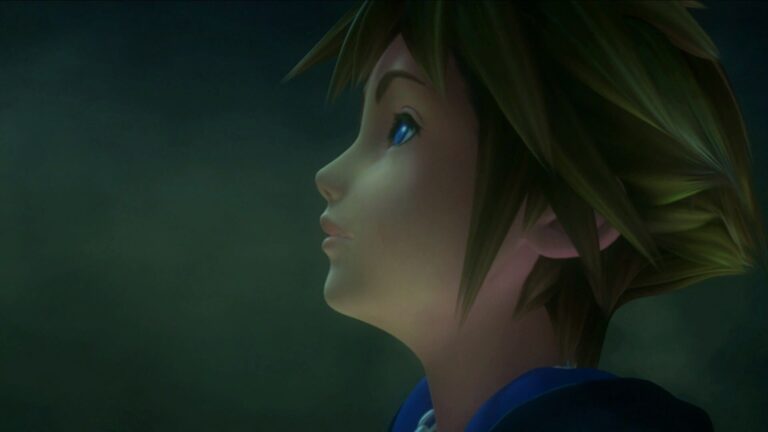
Kotaku has launched Guiding Key, a year-long book club dedicated to replaying and analyzing the Kingdom Hearts series. The project aims to examine the franchise beyond the popular perception of it as merely convoluted, and to trace where Square Enix transformed what might have been a simple Disney crossover into a two-decade-spanning epic. As part of this effort, Kotaku has begun revisiting the original Kingdom Hearts, and in doing so, discovered that the game’s opening contains far more sophistication and foreshadowing than first appears.
Kingdom Hearts Begins With Darkness
The original Kingdom Hearts opens with a cinematic sequence set to Utada Hikaru’s “Simple and Clean.” This scene remains visually striking, but what follows the opening song is far less whimsical than the combination of Disney and Final Fantasy might suggest. After this sequence, protagonist Sora finds himself falling into an abyss, landing on a massive stained-glass platform decorated with the likeness of Snow White. At this point, Sora has not yet encountered any Disney character directly, nor will he for many hours. Yet the game establishes here a recurring location that Sora and his companions will revisit repeatedly throughout the franchise.
The Dive to the Heart and Its Hidden Architecture
A Tutorial Disguised as a Nightmare
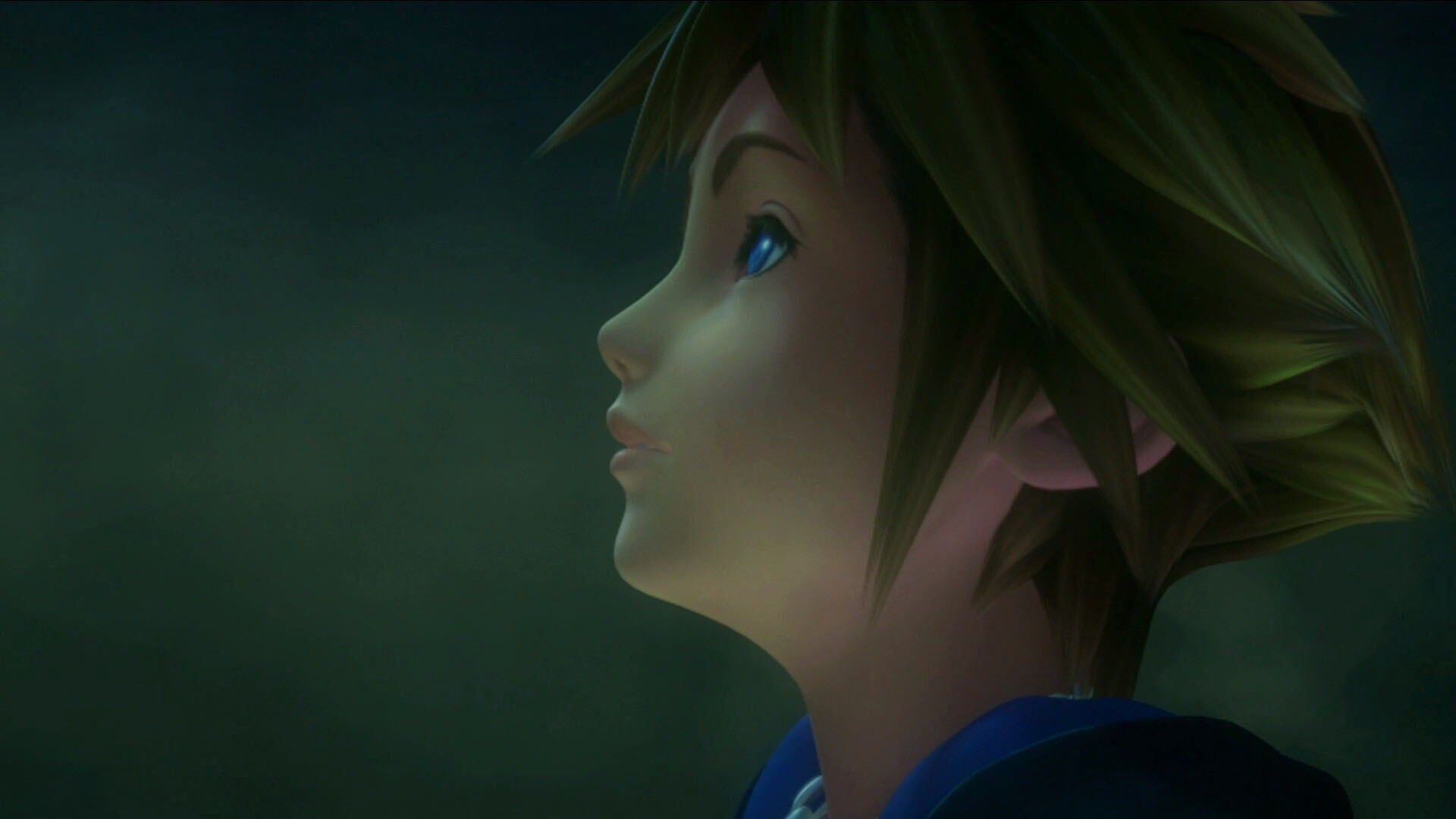
This opening section is called the Dive to the Heart, a space that symbolizes one’s heart and serves as the game’s primary tutorial. A disembodied voice guides Sora through this nightmare-like environment, teaching him everything from how to attack the small Heartless creatures to how to save the game. The princesses depicted on the stained-glass pillars are not randomly selected. Their presence suggests that their hearts are somehow sealed away, a detail that only becomes meaningful much later in Sora’s journey.
According to Kotaku’s analysis, what makes this tutorial remarkable is not what it explains, but what it deliberately omits. Players begin by selecting one of three items: a sword, a staff, or a shield. Once selected, the game immediately forces them to surrender one of the two remaining tools. The game provides no explanation of what this choice means or what consequences it carries. Yet this simple decision fundamentally shapes how Sora will play for the remainder of the game, determining his baseline statistics and the order in which he acquires new skills and abilities.
A Specialization System Without Names
The equipment choice functions as a hidden role-playing element that Kotaku notes operates entirely beneath the surface of the interface. This is a specialization system disguised as a minor tutorial interaction. Compared to Sora’s companion characters, Sora remains a reasonably well-rounded fighter capable of handling most challenges regardless of which items the player chooses. Yet the fact that such a consequential mechanical decision is presented without explanation or context sets an unusual tone for a game marketed as a Disney crossover.
Atmosphere Over Explanation
Throughout the Dive to the Heart section, a profoundly somber choir arrangement accompanies the action. Kotaku describes entering this section expecting a lighthearted adventure through familiar Disney properties, only to immediately sense something darker waiting beneath the surface. For a 14-year-old Sora, the music and atmosphere convey that a significant journey lies ahead, one demanding preparation and sacrifice, even as the player remains powerless to act on that knowledge yet.
Destiny Islands and Questions Without Childhood
After leaving the Dive to the Heart, players briefly visit Destiny Islands, Sora’s childhood home, before the nightmare deepens. Here, three characters from the Final Fantasy series pose existential questions directly to Sora. They ask what matters most to him, what he fears, and what he hopes for his life. These are not typical video game dialogue choices. They are philosophical prompts that few would expect a 14-year-old to contemplate, let alone questions a video game would insist he answer. The ominous musical score continues throughout, reinforcing the sense that something darker than typical Disney adventure is unfolding.
Darkside and the Fear Made Manifest
What emerges from this nightmare is Darkside, one of the series’ most iconic boss encounters. This massive Heartless creature represents the culmination of the Dive to the Heart sequence. The fight itself is not mechanically difficult by later standards, yet its enormous form towers over Sora in a way that proves far more frightening than anything presented in the preceding tutorial. As Sora swings his chosen weapon against Darkside’s descending fists, the game offers a preview of the combat acrobatics that will define later Kingdom Hearts titles. Yet regardless of Sora’s effectiveness in this battle, Darkside swallows him whole in a shroud of darkness, suggesting that conventional victory holds no power against this threat.
A 25-Year Prophecy Disguised as Tutorial
The sequence that follows presents the whimsical tones Kotaku initially expected from a Disney crossover game. Yet the opening has already established its true framework. The princesses glimpsed in Sora’s nightmare mean nothing to him at the outset, but they carry significance that will unfold across the franchise’s quarter-century span. What appears as a standard video game tutorial functions instead as prophecy. Sora’s destiny has already been written into this darkness, a pattern that repeats throughout Kingdom Hearts’ 25-year existence. Whether Square Enix fully grasped the scope of what they were beginning remains uncertain, but the original opening contains all the thematic seeds the series would cultivate for decades to come.
The opening of Kingdom Hearts operates simultaneously as tutorial, nightmare, and promise. Kotaku’s decision to replay the series before Kingdom Hearts IV’s release creates space to examine how thoroughly the original game established the tone and scope of everything that followed. In revisiting this opening now, what initially seemed like an inexplicable tonal shift—a Disney game that refuses to feel like a Disney game—reveals itself as the moment Square Enix committed to something far more ambitious than anyone could have anticipated.
Source: Kotaku
Frequently Asked Questions
What is Kotaku's Guiding Key project?
Guiding Key is a year-long Kingdom Hearts book club where Kotaku replays the series to analyze how Square Enix transformed it from a Disney crossover into a decades-long epic.
What does the stat choice in Kingdom Hearts' tutorial actually do?
Choosing a sword, staff, or shield, then giving one up, determines Sora's baseline statistics and the order he learns skills throughout the game, but the game never explains this consequence.
Why does Kingdom Hearts' opening feel so dark for a Disney game?
According to Kotaku's analysis, a somber choir arrangement plays throughout the Dive to the Heart, and three Final Fantasy characters ask Sora existential questions that emphasize a dangerous journey ahead rather than lighthearted adventure.
