
Key takeaways
- Voice actor Debra Wilson has expressed confusion about why video game studios consistently use her real likeness in recent titles like Marvel's Wolverine and Suicide Squad: Kill the Justice League.
- Wilson prefers roles where her character doesn't resemble her appearance, viewing visual separation as essential to the craft of character acting.
- Developers cite Wilson's competitive audition performance and industry experience as the primary reason for her repeated casting, not contractual obligation.
- The practice reflects a broader gaming industry trend toward casting recognizable actors, exemplified by Keanu Reeves in Cyberpunk 2077 and Jack Quaid in motion capture roles.
Debra Wilson, the voice and motion capture performer known for credits including Wolfenstein 2: The New Colossus, Marvel’s Wolverine, Suicide Squad: Kill the Justice League, Star Wars Jedi, and Death Stranding, has become an unlikely focal point in a conversation about game casting practices. Unlike the majority of voice actors in the industry, whose digital characters bear little to no resemblance to their actual appearance, Wilson has found her real face consistently appearing alongside her vocal performances. The question of why this pattern exists has puzzled even Wilson herself.
During an episode of the podcast Hyperfixated hosted by Joseph Shepherd, Wilson addressed the phenomenon directly. “Honestly, I love games where they don’t look like me at all,” she told Shepherd. “I might as well just go and do theater. If it just looks like me, then how do you get a chance to really escape into a character?” Her response suggests that from a performer’s standpoint, the recurring visual likeness, while providing professional visibility, may contradict the creative goals that draw many actors to gaming roles in the first place.
The podcast episode was recorded before Marvel’s Wolverine released, though clips from the conversation have since circulated widely and, according to reporting, sometimes spread in bad faith through online communities.
The Games Where Wilson’s Face Appears
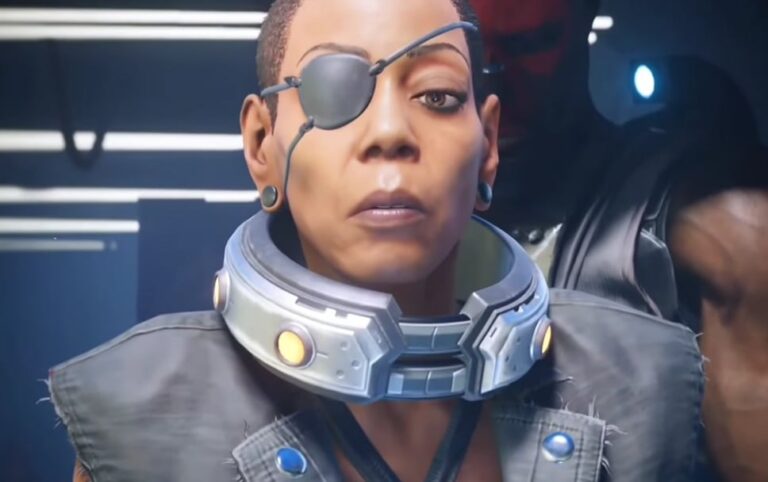
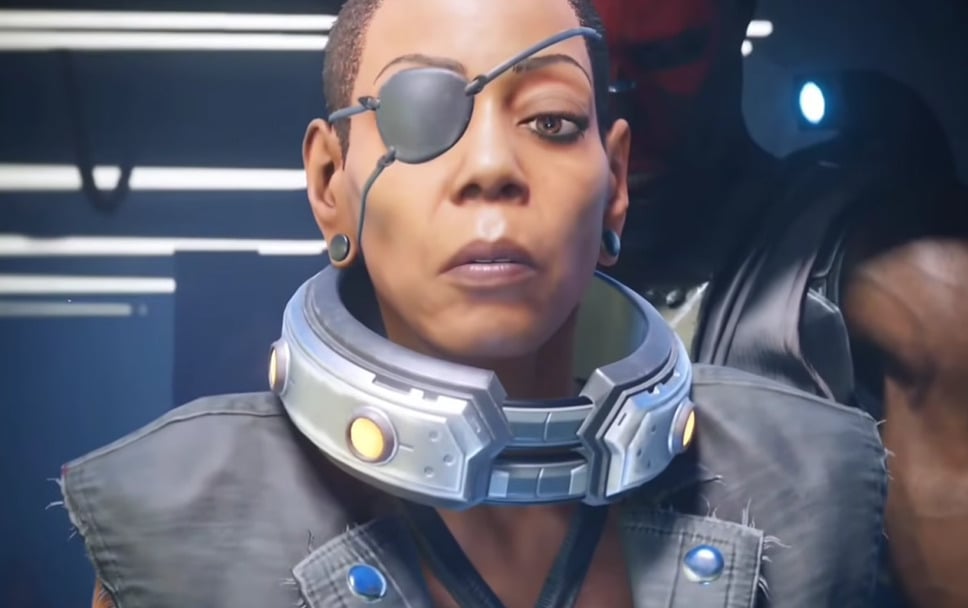
Wilson’s on-screen presence across multiple titles demonstrates how consistent this pattern has become in her recent work. In Marvel’s Wolverine, developed by Insomniac Games, she voices and appears as Callisto, the one-eyed leader of the Morlock mutants. This casting represents Insomniac’s broader decision to have the game’s primary cast members visually resemble their voice actors, an approach that echoes similar strategies employed in titles like Call of Duty, Death Stranding, and Star Wars Jedi.
Callisto in Wolverine
Callisto’s character design specifically reflects Wilson’s appearance, making her one of the more visually distinctive characters in Insomniac’s X-Men game. The studio’s choice to mirror actor and character appearance was deliberate rather than coincidental, suggesting that creative leadership saw value in the visual connection between performer and role.
Amanda Waller and Grace Walker
The pattern extends to Wilson’s earlier game work as well. In Suicide Squad: Kill the Justice League, developed by Rocksteady Studios, she portrays Amanda Waller with facial features matching her own. Similarly, in Wolfenstein 2: The New Colossus by Arkane Studios, she plays Grace Walker using the same visual approach. These back-to-back examples illustrate that her appearance in games was not a one-time creative decision but rather an emerging standard for her casting.
The Industry’s Perspective on Casting
When conversation surrounding Wilson’s casting pattern resurfaced, professionals within game development offered perspective on the reasoning behind such decisions. Del Walker, a developer who has worked on both Star Wars Jedi and Suicide Squad: Kill the Justice League, addressed the topic directly on social media. He wrote, “After working on multiple games with this woman, I truly WISH you guys could see her casting audition videos compared to her competition. It’s like watching 1996 Michael Jordan turn up to a high school basketball game.”
Walker’s comparison shifts the explanation from contractual obligation or agent representation to one based on competitive performance. The implication is that during audition processes, Wilson’s skill and experience consistently outpace other candidates, making her the obvious choice regardless of visual representation considerations. Years of work in the industry have apparently established her as someone whose audition performance stands apart from peers.
Performance Over Contract
The developers quoted suggest that studios cast Wilson because of the quality of her audition work rather than because of binding contracts. Once a developer commits to casting a performer of her caliber, the decision to use her likeness becomes an additional benefit rather than a primary driver. Studios gain both the vocal performance and a face that players may recognize, creating an additional layer of star power in the final product.
A Broader Trend of Recognizable Faces in Games
Wilson’s situation fits within a larger industry shift toward casting established performers. As the traditional film and television studio system has weakened, more actors have diversified their work to include interactive entertainment. This trend has accelerated as major game publishers seek to attract broader audiences through celebrity casting.
Keanu Reeves’ role in Cyberpunk 2077, where his likeness and voice define a central character, represents one high-profile example of this strategy. Jack Quaid has participated in games through motion capture work, bringing his actual physical form into digital environments. These examples demonstrate that Wilson is not alone in seeing her real appearance transferred into game worlds; she is simply more consistently placed in that position across multiple projects.
The practice serves multiple purposes for studios. Recognition from players familiar with an actor’s film or television work can drive marketing and sales. Additionally, when an established performer delivers quality voice work, studios may view the added visual recognition as a natural asset to exploit.
Wilson’s Professional Context
Before her recent surge in motion-capture and likeness-based roles, Wilson built her career through diverse work, including appearances on the sketch comedy show MADtv. Her transition into game voice acting and motion capture work spans decades, though the practice of using her facial likeness in games represents a more recent development in her career.
Marvel’s Wolverine and Commercial Reality
Despite mixed critical reception in some outlets and regional content modifications, Marvel’s Wolverine has performed well commercially since its release. The game has maintained its market position without significant impact from divided critical opinion, suggesting that multiple factors contribute to its sales performance.
The game underwent regional modifications in certain markets. In versions released for the Middle East, all references to Tyger, identified as Mystique’s wife in the narrative, were removed entirely. This decision reflects how publishers adapt content for different regions and audiences, separate from but related to casting considerations.
Insomniac’s interpretation of X-Men lore has generated some controversy among players, with certain creative choices regarding character development and story elements drawing mixed reactions. Despite this friction, the game’s commercial performance indicates that player reception extends beyond critical reservations to encompass broader appeal.
Source: Kotaku
Frequently Asked Questions
Why does Debra Wilson's likeness appear in so many recent games?
According to developers, it comes down to casting decisions based on performance quality rather than contract requirements. Developer Del Walker compared her audition reels to watching 1996 Michael Jordan turn up to a high school basketball game, suggesting her skill gives her a competitive edge during audition processes.
What is Debra Wilson's own perspective on appearing as herself in games?
During an appearance on the podcast Hyperfixated, Wilson said she prefers games where characters don't look like her, stating that visual likeness limits her ability to escape into a character, something she could achieve equally well by performing in theater.
Is Debra Wilson the only actor whose likeness appears consistently in games?
No. The trend reflects a broader industry practice, with other notable examples including Keanu Reeves in Cyberpunk 2077 and Jack Quaid in motion capture roles. The practice has become more common as established actors diversify into game work.
