
Key takeaways
- AI-generated game mashups have flooded social media over the past days, with mods combining Minecraft, Elden Ring, and Skyrim existing primarily as video clips rather than downloadable or playable experiences.
- Kotaku tested a Claude-generated Minecraft-in-Skyrim mod and found it plagued with bugs, pre-loaded with endgame resources, and devoid of any coherent progression or meaningful mechanics.
- These mods were engineered for five-second viral social media clips, not actual gameplay; they contain borrowed mechanics that never integrate or create functional systems.
The Flood of AI Mashup Mods
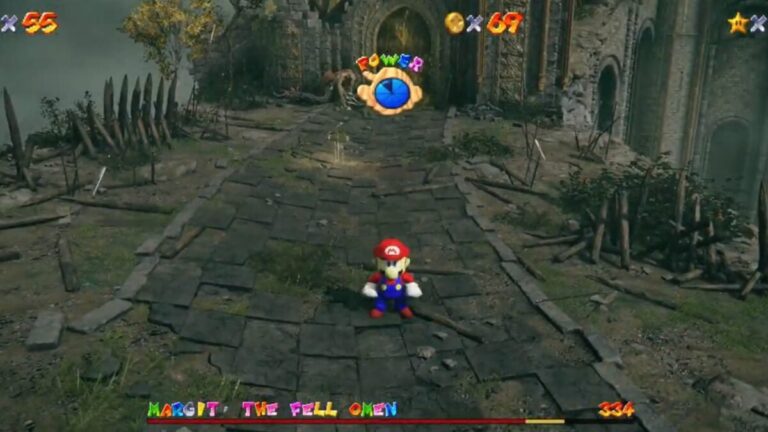
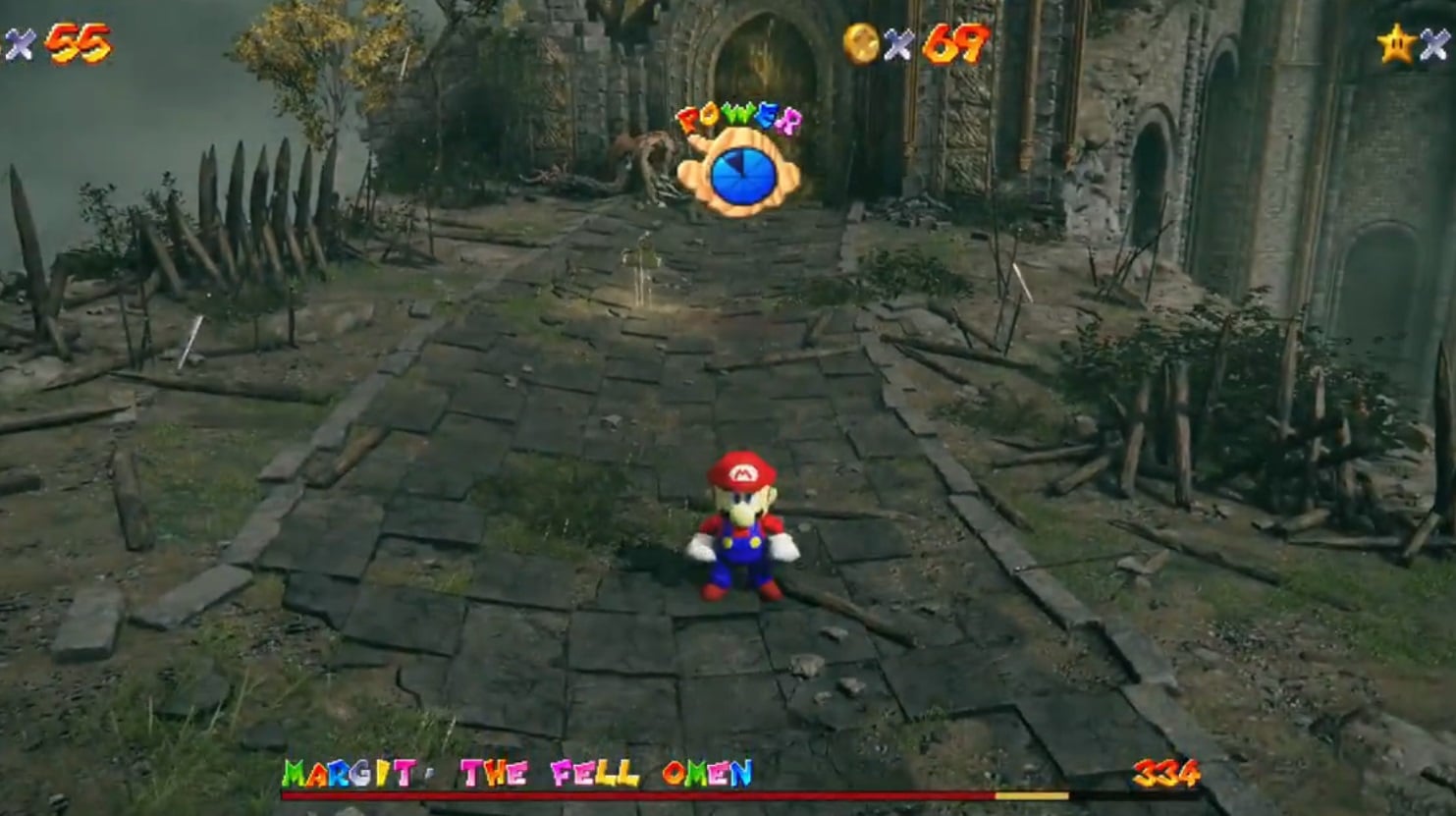
A wave of AI-generated video game mods has taken over social media over the past few days, each promising increasingly elaborate combinations. The trend has been amplified by platform X, which has spread clips of games nested inside other games in seemingly impossible ways. Most of these mods exist only as video clips, posted within hours of the AI finishing its code. Few appear downloadable. Fewer still have been verified as actually playable.
The premise is straightforward and absurd in equal measure: skateboarding mechanics from Skate 3 reimagined inside Modern Warfare 2, then packed again into Minecraft; every item from Minecraft transplanted into Elden Ring; Escape from Tarkov’s survival mechanics dropped into Skyrim; a mashup combining Nintendogs, Animal Crossing: New Leaf, Cooking Mama, Kingdom Hearts, Story of Seasons, Endless Ocean, Reel Fishing 3, and other classic titles into a single experience.
The Mods Creating the Trend
Skate 3 Meets Modern Warfare 2 Meets Minecraft
The most layered example stacks three complete games into a single space. One mod inserts Skate 3’s skateboarding mechanics into Modern Warfare 2’s gunplay environment, then offers that same combination playable within Minecraft’s blocky world. The absurdity escalates with each additional layer.
From Minecraft in Elden Ring to Tarkov in Skyrim
Simpler combinations show equally questionable results. Minecraft’s mechanics moved into Elden Ring, transporting the resource-gathering loop into a FromSoftware action game. Tarkov’s gear and survival systems were placed into Skyrim. One modder created the Tarkov-Skyrim version in just a few hours after noticing the trend, rushing to capitalize on the moment.
A Nintendo Fever Dream
Perhaps most ambitious is a mashup built by using AI to attempt decompilation of nearly every old Nintendo DS-era game, then reassemble them into a single chaotic experience. The result supposedly contains Nintendogs, Animal Crossing: New Leaf, Cooking Mama, Kingdom Hearts, Endless Ocean, Reel Fishing 3, Story of Seasons, and others, all occupying the same playable space.
Who Is Making These Mods?
The mods are primarily generated through Claude, Anthropic’s AI model, with modders acting as the human middlemen who prompt the AI and package the results. Modder chasmlol has become particularly associated with the trend, running a Discord server that has emerged as an informal hub for this wave of AI-generated mashup mods.
Testing the Experience
The Technical Collapse
Kotaku obtained access to test one of these mods: a Claude-generated modification that adds Minecraft items to Skyrim, created by chasmlol. The publication’s experience illustrated exactly why these mods fail as actual games. The problems began immediately upon play. After mining approximately two blocks from a mountainside, the player fell completely through the game world, becoming trapped in missing geometry. Blocks were assigned incorrect materials; breaking a metal gate produced wood instead of metal. Other blocks failed to render entirely. Before combat could even begin, an invisible wall appeared, blocking progress through a section of Skyrim that should be open.
The Broken Economy
Beneath the technical failures lay more fundamental design problems. The mod came pre-loaded with Minecraft’s most valuable endgame resources: diamond tools, a full set of iron armor, and golden apples. In actual Minecraft, acquiring these items requires substantial effort. Here they appeared immediately in the inventory, destroying any meaningful progression curve.
A crafting table existed, but obtaining the materials to build anything proved impossible. The stone layer beneath the world contained only a few blocks and no ore deposits. No natural food sources could be discovered. Mining itself, the core loop of Minecraft, was broken by design. Without ore to excavate and without any way to obtain basic resources, the borrowed mechanics became ornamental.
The Incoherent Systems
The other mods appeared similarly broken at their foundation. In the version that combines Tarkov with Skyrim, there is no clear method for obtaining Tarkov gear. The skateboarding mod placed inside Modern Warfare 2 offers no explanation for how to score points during kickflips, nor does it specify what those points accomplish or unlock. None of these mods created systems where borrowed mechanics actually interact with purpose.
Why Game Design Matters
The failure of these mods reveals a fundamental truth about how successful games function. Minecraft, Elden Ring, Skyrim, Animal Crossing: New Leaf, and Nintendogs each succeeded because their designers built systems where every mechanic connects purposefully to others. Progression feeds into exploration. Resource gathering feeds into crafting. Combat feeds into gear progression. These interconnected systems exist because developers spent years iterating, playtesting, and refining how each piece relates to the whole.
Ripping mechanics from different games and combining them without redesign creates incompatible pieces occupying the same space. The AI tools generated code that technically runs, but they created no actual design. No one developing these mods asked what progression would look like across both games. No one created inventory systems that would function for both mechanics. No one established meaningful goals. The result contains borrowed visuals and mechanics in proximity with no reason for their coexistence beyond technical feasibility.
The Five-Second Joke
The appeal of these mods lives entirely within the social media clip. Watching a skateboarding trick overlaid with a Modern Warfare 2 explosion for five seconds is novel. The visual shock of seeing two incompatible games in a single frame creates momentary amusement. A viewer scrolling through might pause and think the idea sounds fun.
No one actually wants to play these experiences. The mods were not designed for play. They were designed for clips, for likes, for algorithmic amplification of the unusual. The social media traction stems entirely from visual novelty, not from underlying design that would sustain actual gameplay.
The work required to create a playable game, years of refinement and extensive playtesting based on how humans actually engage with systems, is completely absent from these AI-generated mashups. Claude generated something technically novel at high speed, but novelty is not gameplay. A clip is not a game.
Source: Kotaku
Frequently Asked Questions
What are the AI-generated game mashup mods trending on social media?
Mods combining multiple games, like Skate 3 mechanics in Modern Warfare 2 in Minecraft, or Minecraft items in Elden Ring, generated using Claude and shared as video clips primarily on platform X. Most exist only as clips rather than downloadable versions.
Did anyone actually test these mods beyond the social media clips?
Yes, Kotaku tested a Claude-generated mod by chasmlol that adds Minecraft items to Skyrim, finding broken geometry, incorrect block assignments where metal gates yielded wood, and pre-loaded endgame resources that destroyed progression.
Why don't these mashup mods work as actual games?
The mods lack coherent game design integrating borrowed mechanics from multiple games. They were created for social media clips rather than play, with no progression systems, no way to obtain resources naturally, and no reason for their mechanics to coexist.
